World Cleanup Day: Why sorting your household trash is essential
By Dan Kauna, September 20, 2026Every year on September 20, 2026, millions of people worldwide observe World Cleanup Day to reflect on how communities manage their environment.
While cleanups often focus on picking up litter in public spaces, real progress starts right at home inside the kitchen bin.
Mixing food scraps, plastic bottles, and old paper into one bag turns reusable materials into unusable rubbish.
Small habits make a big difference
In many estates, garbage collection involves dumping all household refuse into a single plastic bag. When mixed together, organic waste like vegetable peels decomposes and spoils recyclable paper, cardboard, and clean plastics.
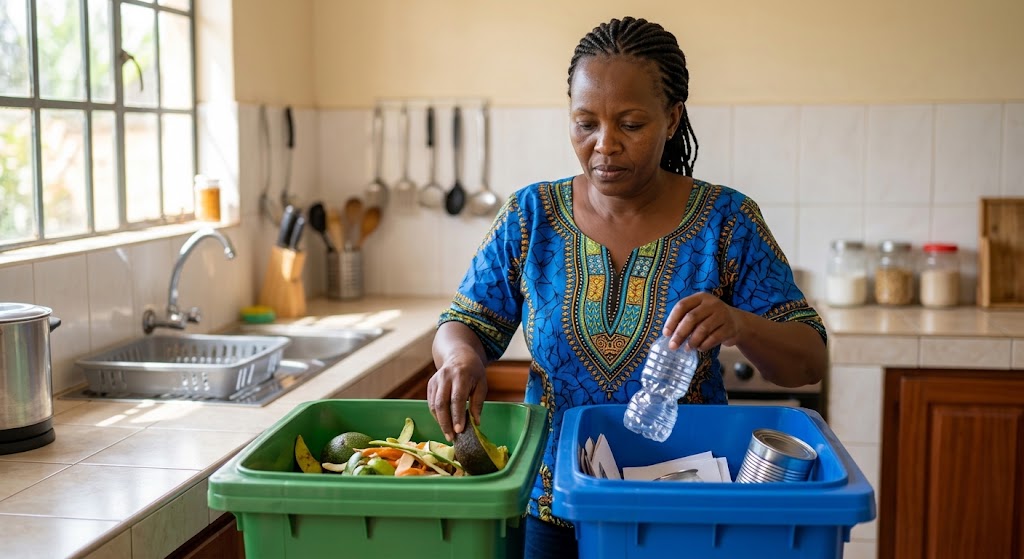
This contamination forces garbage collectors and informal waste pickers to spend extra hours sorting through dirty piles at local dumpsites.
Sorting trash before it leaves the doorstep changes the entire process. Separating wet waste from dry recyclables keeps items clean, making them useful for local recycling initiatives.
It also cuts down on foul odours and pests around the compound.
What happens when waste is sorted at home
The benefits of sorting trash extend beyond keeping the home tidy. Environmental research shows that managing waste where it is created directly improves processing systems.
According to a peer-reviewed study published in Cogent Engineering, “waste segregation at source may ease handling and processing, enhance the potential for resource recovery, fosters reuse and recycling and reduce operational costs.”
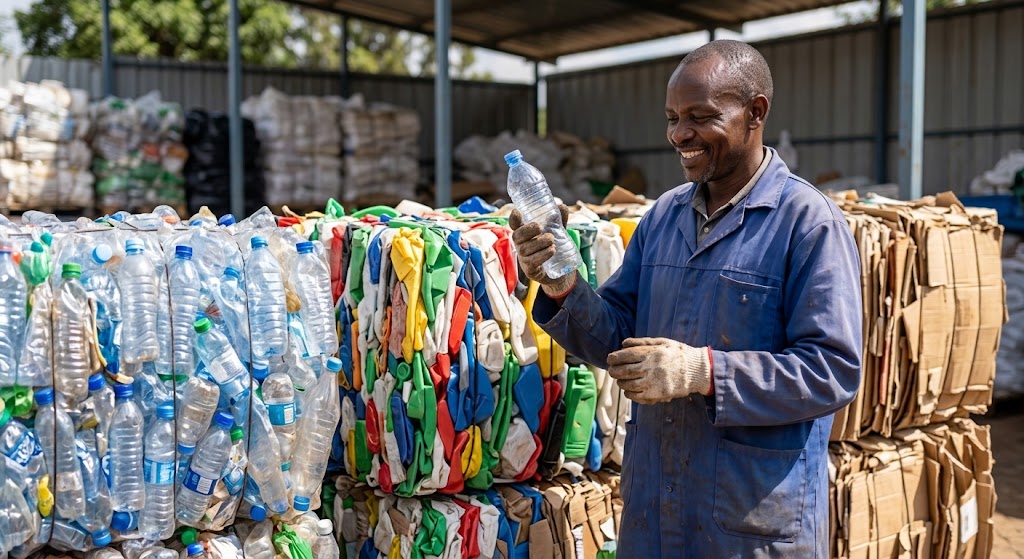
When households keep glass, plastic, and paper separate, recyclers can process these materials efficiently. Less waste ends up in municipal dumpsites, reducing soil and water pollution.
Organic waste can also be turned into compost, providing cheap fertiliser for farms and kitchen gardens.
Easy ways to start sorting today
Beginning this habit does not require expensive equipment or special bins. Placing two distinct containers in the kitchen is enough to build a solid routine.
One bin can hold organic kitchen scraps, food leftovers, and peelings. The second bin can hold dry, clean items like plastic milk bottles, tin cans, cardboard boxes, and newspapers. Give plastic containers a quick rinse before tossing them to stop bad smells and keep flies away.