Will electric cooking replace charcoal in African homes?
By David Nthua, June 13, 2026Charcoal has powered African kitchens for decades, but a growing movement towards electric cooking is raising an important question: could electricity eventually replace charcoal in many homes across the continent?
The United Nations Development Programme (UNDP) believes that electric cooking could play a major role in Africa’s clean energy future.
The organisation has been supporting clean cooking initiatives across several countries as governments seek alternatives to charcoal and firewood, which remain the dominant cooking fuels for millions of households.
The debate is no longer just about convenience. It is increasingly about health, cost, the environment and the future of African homes.
Why charcoal remains popular
For many families, charcoal is affordable, accessible and familiar.
Even households connected to electricity often continue using charcoal because electric cookers can be expensive to purchase upfront.
In some areas, concerns about electricity reliability and power costs have also slowed adoption.
As a result, charcoal remains one of the most widely used cooking fuels in urban and rural Africa despite growing environmental concerns.
However, experts argue that the hidden costs of charcoal are often overlooked.
The hidden cost of charcoal cooking
While charcoal may appear affordable at first, households often spend money replacing bags of charcoal every week or month.
There are also health concerns.
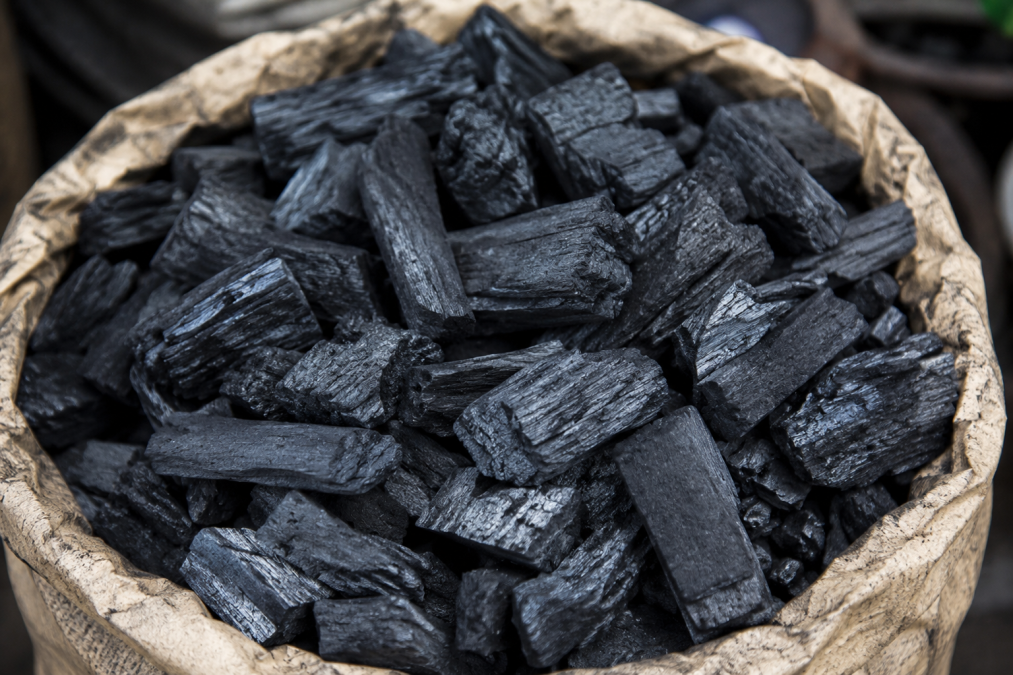
According to global health experts, smoke from traditional cooking fuels contributes to indoor air pollution, which has been linked to respiratory illnesses and other health complications, particularly among women and children who spend more time around cooking areas.
Charcoal production has also been associated with deforestation in several African countries, increasing pressure on forests and natural ecosystems.
Why electric cooking is gaining attention
Electric cooking is becoming more attractive as access to electricity expands across Africa.
Modern electric pressure cookers, induction cookers and energy-efficient appliances use less power than many people assume. They can also reduce cooking time significantly compared to traditional charcoal stoves.
Supporters of electric cooking argue that households can benefit from:
- Cleaner kitchens with less smoke
- Reduced exposure to indoor air pollution
- Faster cooking times
- Less dependence on charcoal deliveries
- Lower environmental impact
In countries such as Tanzania, new financing programmes are even allowing households to acquire electric cookers and pay for them gradually through electricity bills, making the technology more accessible.
Will electric cooking replace charcoal completely?
Probably not in the near future.
Africa’s energy transition is likely to involve multiple cooking options, including electricity, LPG, biogas and improved cookstoves.
However, the direction of travel appears clear. As electricity access improves and efficient appliances become cheaper, more households are expected to consider electric cooking as a practical alternative.
For many experts, including those working with the United Nations Development Programme, the question is no longer whether electric cooking will grow, but how quickly it can become affordable and accessible to ordinary families.
The African kitchen of the future may still look familiar, but the fuel powering it could be very different from the charcoal stove that has dominated homes for generations.