Why people keep things they never use and the hidden mental cost
By Dan Kauna, July 1, 2026Walk into almost any home and you will likely find a familiar sight. It could be a drawer packed with tangled phone chargers, wardrobes full of clothes that no longer fit, or a mountain of empty plastic containers kept because they might be useful later.
Holding onto items that are never used is a very common human habit, but living with this constant mess takes a quiet but heavy toll on mental well-being.
Mental traps
People often blame a lack of time for a messy room, but the real issue is how the brain views possessions. Psychologists point to a mental bias known as the endowment effect.
This bias makes people value an object much more simply because they own it. Letting go feels like a loss, even if the item has no actual use.

Another common hurdle is anticipated regret. This is the nagging fear that throwing something away today will lead to a situation where it is needed tomorrow. Possessions also easily get tied up with personal identity.
An old school uniform or a broken appliance a person promises to fix often represents a past achievement or a future goal. Discarding these items feels like throwing away a piece of oneself, which creates a tough emotional barrier.
How physical mess drains the brain
A crowded living space does more than just take up physical room; it actively drains daily energy. When a room is full of random items, the human brain treats every single visible object as information that needs attention. This constant visual noise causes cognitive overload, which reduces the ability to focus and weakens short-term memory.
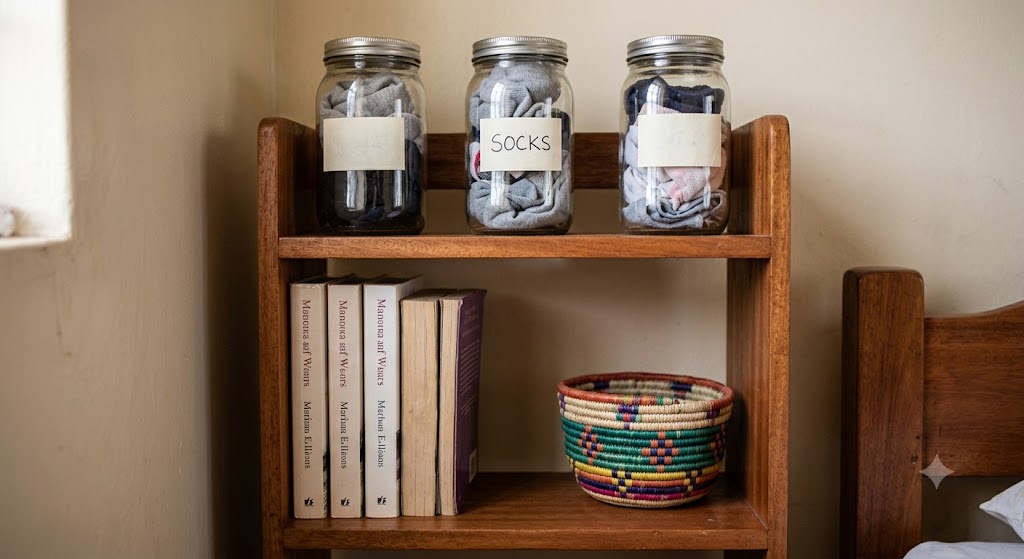
The emotional and financial strain is well-documented by science. A 2023 peer-reviewed study published in the International Journal of Environmental Research and Public Health notes that “clutter (an overabundance of possessions) may impede one’s quality of life by interfering with space livability and social connections and prompting negative affect and financial problems.”
This continuous stress triggers a low-grade anxiety that leaves people feeling completely drained in their own spaces.
Fortunately, reclaiming a home does not require a massive or expensive overhaul. Evidence-based strategies suggest starting small, such as clearing a single shelf or a kitchen counter for just ten minutes a day.
Gradually breaking the habit of collecting unneeded items restores a sense of control, lowers daily anxiety, and turns a chaotic house back into a peaceful home.