Why Kenyan women still carry the biggest burden of unpaid caregiving
By Cynthia Lodite, August 6, 2026In many Kenyan households, the responsibility of caregiving, defined as the daily provision of support for children, the elderly, and the ill, continues to fall disproportionately on women.
While societal structures are shifting, traditional expectations and economic pressures keep this unpaid labour firmly rooted within the female domain.
Data from the Kenya National Bureau of Statistics (KNBS) consistently shows that women spend significantly more hours on unpaid domestic work than their male counterparts, limiting their time for formal employment or personal development.
“The 2021 KTUS revealed that women spend approximately five times more time on unpaid domestic and care work than men. On average, women dedicate about 5 hours per day to unpaid domestic work, compared to 1 hour per day for men,” read the KNBS report in part.
Cultural norms and socialisation
The primary driver of this imbalance is deeply ingrained socialisation. From a young age, many girls in Kenya are socialised to view caregiving as a core component of womanhood.
This cultural expectation remains prevalent in both rural and urban settings, where family identity is often tied to a woman’s ability to manage domestic affairs and nurture relatives.
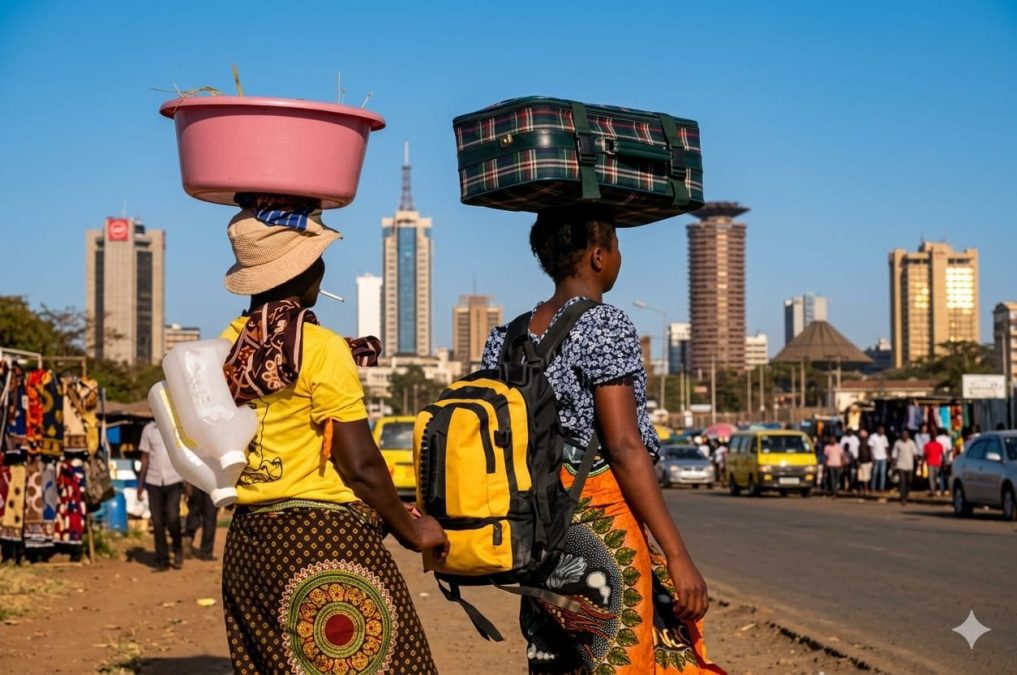
Even when women participate in the formal workforce, they are frequently expected to maintain primary responsibility for the home. This “double burden” forces many to choose flexible, often lower-paying jobs that allow them to attend to family needs, effectively stalling their career progression compared to men who are often prioritised for professional advancement without similar domestic constraints.
Economic barriers and structural gaps
Economic necessity also dictates the distribution of caregiving roles. In many Kenyan homes, the gender pay gap means that men often earn higher wages. Consequently, families frequently prioritise the male partner’s time for income-generating activities, while the woman scales back her work hours to handle childcare or care for ageing parents.
The lack of affordable, high-quality public childcare services further exacerbates this issue. Without reliable support systems, working mothers are left with few options other than relying on extended family or reducing their professional commitments.
Furthermore, the rising cost of living has increased the strain on these informal care networks. As the state struggles to provide comprehensive social safety nets for the elderly or those with disabilities, the burden of care inevitably shifts back to the family unit, where women are the default carers.
Moving toward a more equitable distribution requires not only a cultural shift in how society views domestic labour but also structural investments, such as workplace policies that support paternity leave and accessible, state-subsidised care facilities.
Until these systems are in place, the caregiving gap will continue to limit the economic and social potential of women across the country.