What to check and verify before buying land near a mega project
By Dan Kauna, September 30, 2026With groundbreaking on the Dangote East African Oil Refinery in Lamu on September 30, 2026, property interest along major development corridors is surging once again.
Whenever government or private sector megaprojects take off, land values in surrounding areas tend to skyrocket, with prices jumping to several million per acre in months.
However, rapid price growth also attracts fraudsters, speculative brokers, and double-allocations. Protecting your money requires thorough legal and technical verification before signing any agreements or paying a deposit.
Essential searches and boundary verification
Buying land near a major project carries significant financial risk if proper due diligence is ignored. Before making any payment to a vendor, start at the Ministry of Lands.
Conduct an official title search through the online ArdhiSasa portal or at the local land registry office. This search confirms the registered owner, exact property acreage and ensures no encumbrances exist, such as active bank charges, cautions, or court injunctions.
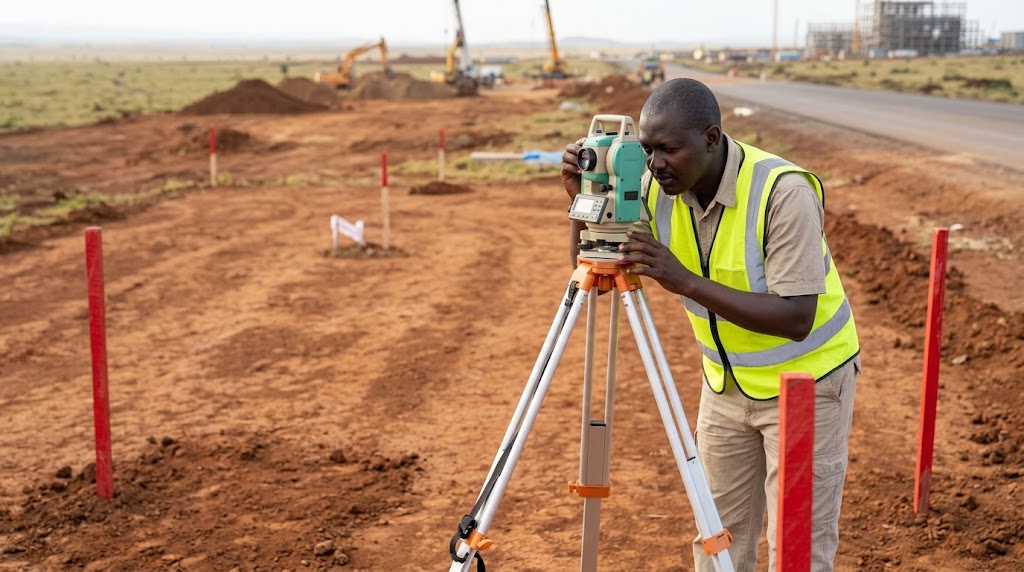
It is equally critical to hire a registered surveyor to physically map out the property boundaries on-site.
A surveyor confirms whether the physical ground beacons match the official map from the Survey of Kenya and ensures the plot does not sit on a public utility corridor or road reserve.
A peer-reviewed study published in African Affairs notes that during major Kenyan infrastructure rollouts, “rampant land speculation grew from a dense network of local land brokers and international investors,” frequently leading to overlapping claims and artificial price inflation.
Verifying physical boundaries with a certified expert prevents you from purchasing non-existent or contested real estate.
Legal agreements and transfer clearances
Once the title search and physical survey pass inspection, engage a practising land lawyer to draft and review the sale agreement. A proper sale agreement clearly sets out the purchase price, deposit terms, payment completion timelines, and legal remedies if either party defaults.

Land lawyers caution buyers against relying on informal payment receipts or agreements prepared by unverified land brokers. The seller must also present a valid land rates clearance certificate from the county government proving that all local taxes are fully settled.
If the land is agricultural, the transaction requires formal approval from the local Land Control Board before any transfer of ownership can take place. Take these steps to keep your capital safe while capitalising on Kenya’s expanding infrastructure.