What household mould does to the body and how to get rid of it
By Dan Kauna, June 27, 2026During the cold season, many homes experience an unwelcome guest.
Fuzzy patches of black, green, or yellow fungi start spreading across bedroom walls, ceilings, and inside wardrobes.
For most people, the quick fix is grabbing a rag and a bottle of household bleach to scrub the stain away. However, household mould is a living biological organism, and wiping it off only treats a temporary cosmetic symptom.
To clear it for good, it helps to understand how it behaves and why it thrives.
How mould affects human health
Mould reproduces by releasing millions of invisible spores into the air. In poorly ventilated rooms, common species like Aspergillus, Penicillium, and Cladosporium flourish.
Some types, such as Stachybotrys, popularly known as black mould, release toxic chemical compounds called mycotoxins. These toxins do more than cause standard allergies.

Inhaling them regularly triggers severe respiratory problems, including upper respiratory tract infections, constant headaches, chronic fatigue, and immune system issues.
A 2026 peer-reviewed study published in the American Journal of Epidemiology confirms that “home exposure to dampness and mould increased the risk of URTIs” alongside lower respiratory tract infections from childhood into adulthood.
This means that a damp house can cause permanent damage to bodily health.
Stopping the moisture source
The reason the usual bleach routine fails comes down to simple biology. Bleach consists mostly of water. When used on a porous wall, the chemical kills the surface fungi, but the water sinks deep into the plaster.
This moisture ends up feeding the roots of the mould, making it grow back even thicker a few weeks later. To get rid of it permanently, residents must stop focusing on the surface and address the moisture source.
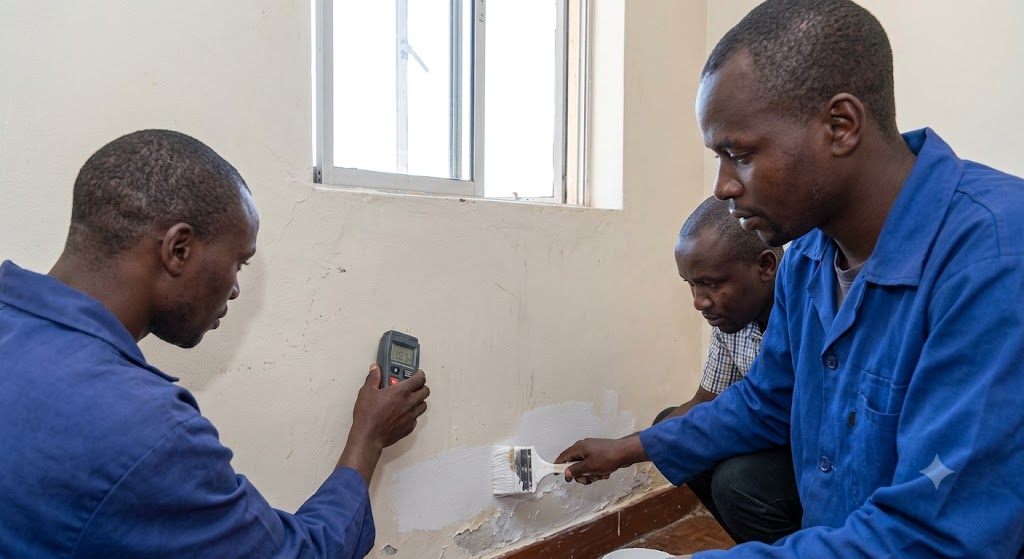
Chilly weather causes indoor humidity to condense on cold walls, especially when windows stay closed. Opening windows for just twenty minutes every morning lets fresh air displace the dampness.
Tenants should also check for leaking pipes, blocked roof gutters, or water seeping up from the foundation. While commercial anti-mould treatments cost anywhere between Sh800 and Sh4,600, they are completely useless if the room remains damp. Keeping the space completely dry is the only way to protect the home.