Advertisement
Simple ways to keep your house cool without air conditioning
24th May, 2026 08:37 AM
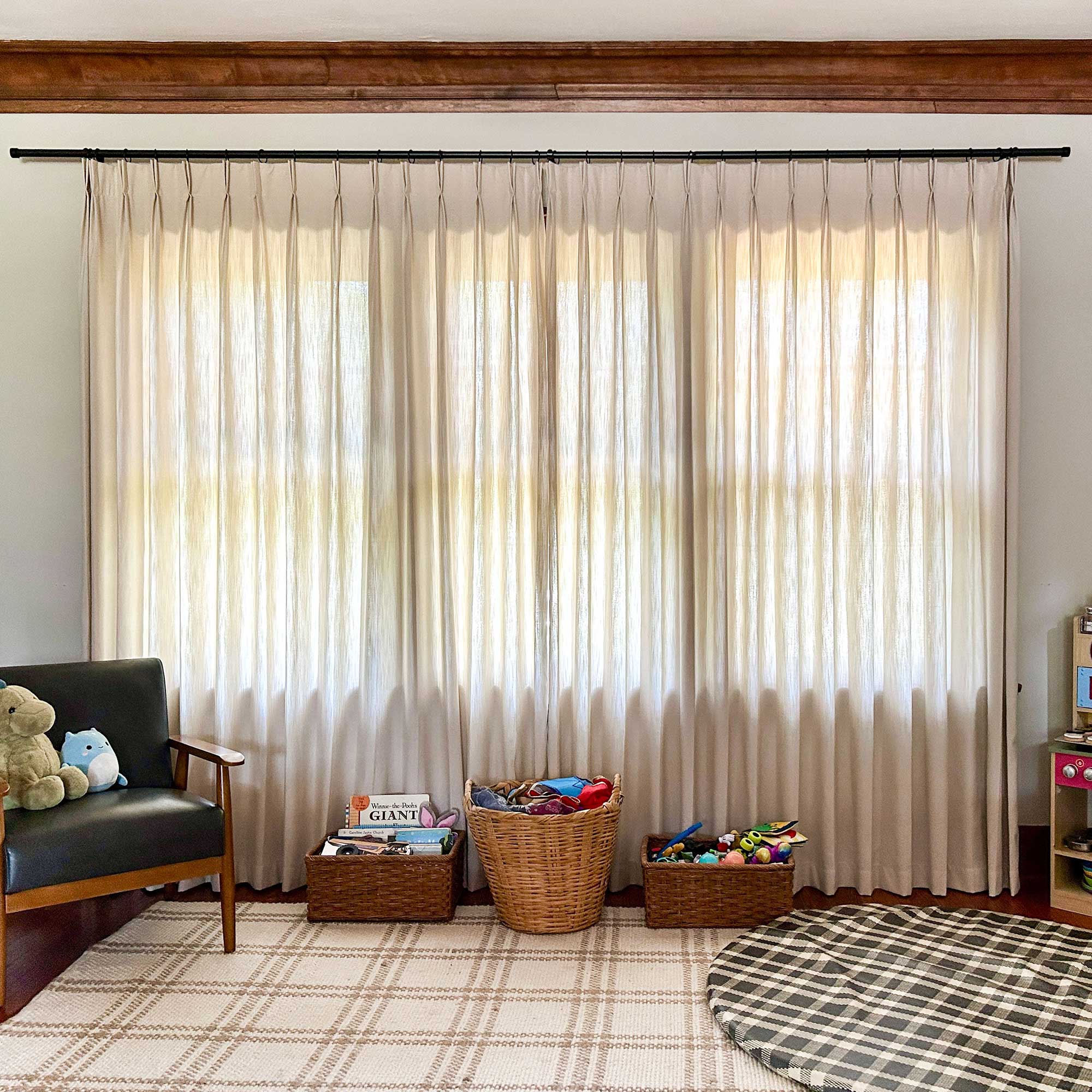
As temperatures continue to rise in many urban areas, especially in warm seasons, many households are looking for simple and affordable ways to keep indoor spaces comfortable without relying on air conditioning.
Experts in public health, including the World Health Organization (WHO), noted that excessive indoor heat can affect sleep, productivity, and overall well-being, especially in homes that lack proper ventilation. Fortunately, there are practical methods that can make a noticeable difference.
Managing heat from the outside
One of the first steps in cooling a home starts outside the house. Direct sunlight is one of the biggest contributors to indoor heat buildup. Keeping curtains, blinds, or even locally available woven mats closed during the hottest hours of the day can help block heat from entering rooms. In many homes, planting small shade trees or using climbing plants near windows also reduces direct sun exposure over time.
According to the Energy Saving Trust, “simple changes like blocking sunlight during the day can significantly reduce indoor temperatures and improve comfort without extra cost.” This approach is widely recommended because it requires no electricity and can be done using materials already available in most households.
Smart cooling habits indoors
Inside the house, airflow plays a major role in keeping rooms comfortable. Opening windows on opposite sides of a room in the early morning or late evening allows cross-ventilation, which helps push out trapped warm air. However, during peak daytime heat, it is often better to keep windows partially closed to prevent hot air from entering.
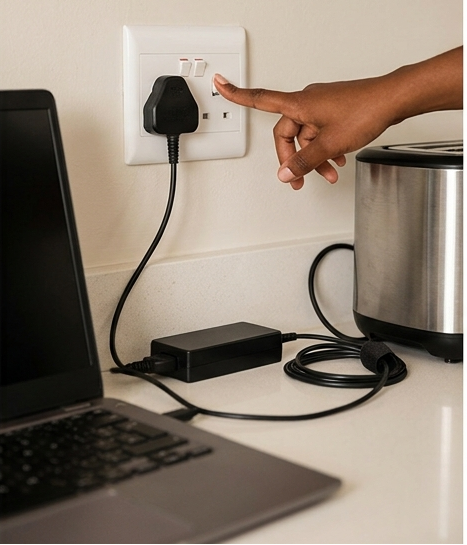
Switching off unused electrical appliances is another effective habit. Devices such as televisions, chargers, and cooking equipment release heat even when not actively in use. The energy-efficient habits at home not only reduce heat but also lower overall energy demand in urban households.
Using simple materials to stay comfortable
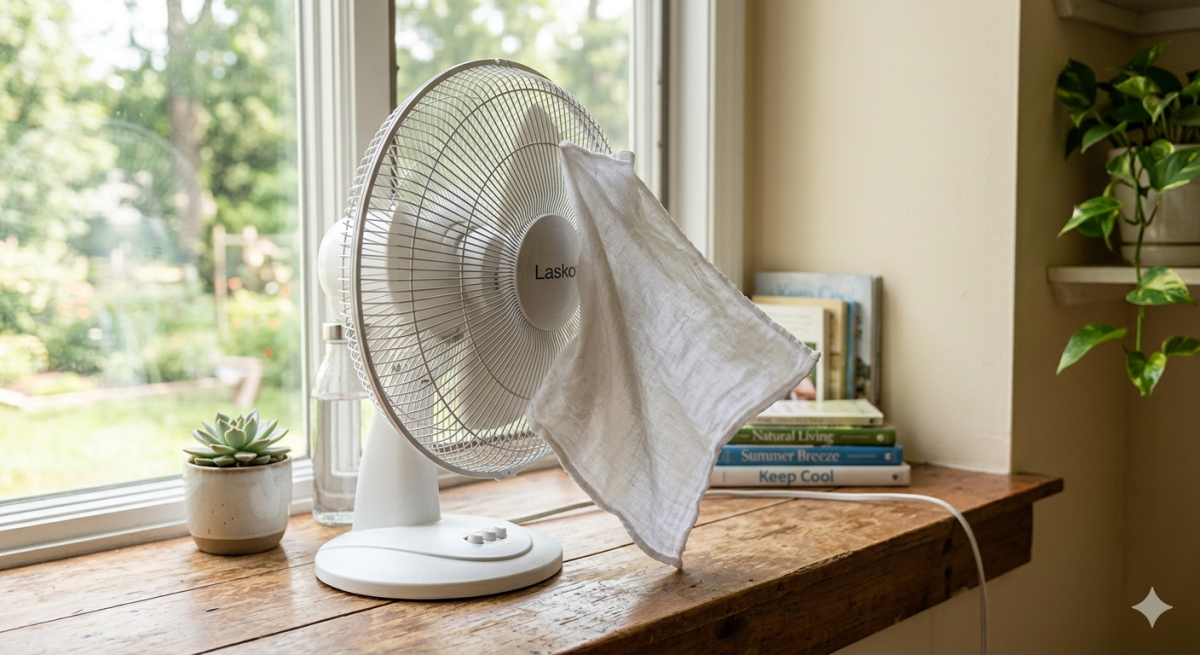
Simple household items can also play a role in cooling down living spaces. Light cotton clothing and breathable bedding help regulate body temperature during hot nights. Placing a damp cloth near a fan can also create a mild cooling effect as air passes over it. In some homes, clay pots filled with water are used to naturally cool drinking water and slightly lower surrounding temperatures.
Small adjustments like rearranging furniture away from direct sunlight or choosing lighter-coloured fabrics for curtains can also reduce heat absorption inside the house.
Health experts, warn that prolonged exposure to high indoor temperatures can lead to dehydration, fatigue, and heat-related illnesses. This makes it important for households to adopt simple cooling strategies, especially during unusually hot days.
While air conditioning may not be accessible for everyone, these low-cost methods offer practical solutions that can be applied in daily life.