Advertisement
Simple ways to keep your home dust-free and wake up without sneezing
22nd May, 2026 08:42 PM

Waking up every morning with repeated sneezing, a blocked nose or itchy eyes is something many people silently struggle with. While cold weather and allergies are often blamed, household dust is one of the biggest triggers behind these symptoms.
Dust may seem harmless, but when it builds up inside the home, it can affect breathing and trigger allergic reactions, especially in the morning after hours of exposure during sleep.
Dust is made up of tiny particles including dead skin, fabric fibres, pollen and dust mites. These particles easily settle on bedding, curtains, carpets and furniture. Once disturbed, they become airborne and can irritate the nose and airways.
“Keeping indoor spaces clean and well-ventilated can greatly reduce allergy symptoms linked to dust exposure,” notes guidance from health experts on respiratory hygiene.
Dust often hides in bedrooms
Bedrooms are among the most common places where dust collects unnoticed. Bedsheets, pillows and mattresses trap sweat, skin flakes and dust mites over time. This is why many people experience sneezing immediately after waking up.
Washing beddings regularly in warm water can help reduce dust mites and allergens. Experts also recommend changing pillow covers often and exposing mattresses and blankets to sunlight whenever possible.

Heavy curtains, stuffed toys and thick carpets also trap dust easily. Replacing them with easy-to-clean materials can make a noticeable difference, especially for people with allergies or asthma.
Opening windows during the day also helps improve air circulation and reduces stale indoor air. However, during very dusty or windy conditions, windows should remain closed to avoid bringing more dust inside.
Cleaning habits matter more than many realise
Many homes are cleaned daily, but certain cleaning methods can spread dust instead of removing it. Sweeping with a dry broom often pushes dust particles into the air where they can be inhaled.
Using a damp cloth when dusting surfaces and mopping floors instead of dry sweeping helps trap dust better. Vacuum cleaners with proper filters are also more effective in reducing fine dust particles from sofas, carpets and mattresses.
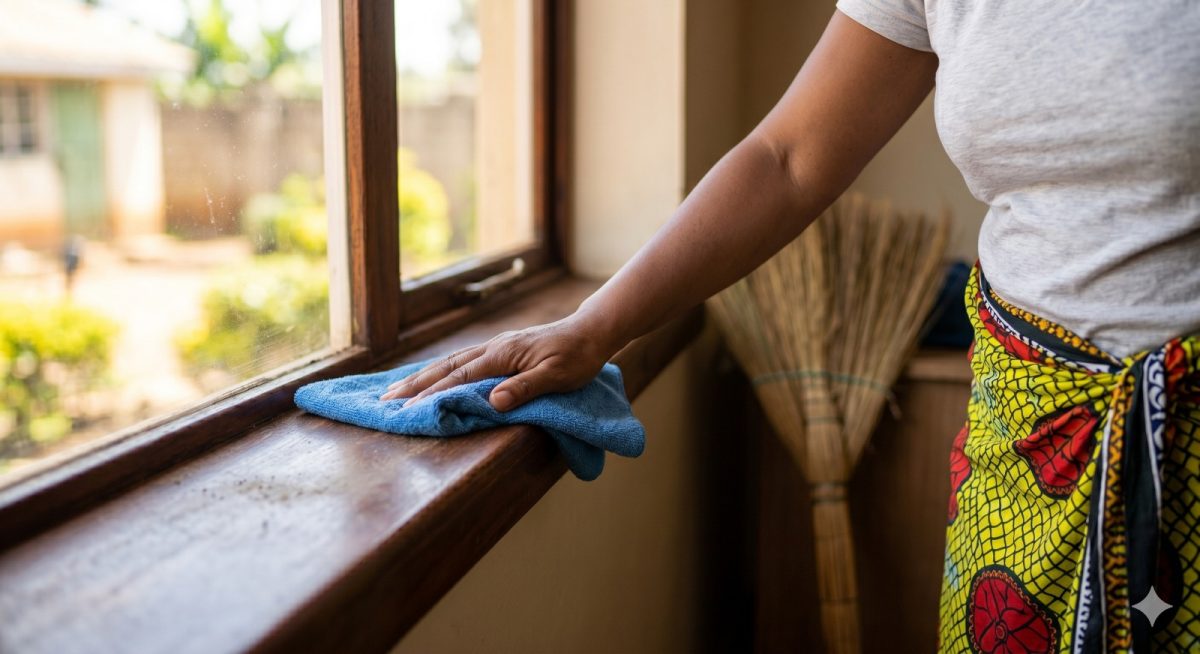
Furniture surfaces, ceiling fans, under beds and window corners should also not be ignored during cleaning since dust collects quickly in hidden spaces.
Air quality experts also encourage reducing clutter inside rooms because piled clothes, books and unused items attract and hold dust for long periods.
Small changes can improve daily comfort
Keeping shoes outside the house, grooming pets regularly and avoiding smoking indoors can also help maintain cleaner indoor air. Indoor plants may help improve air freshness, though overwatering them can encourage mould growth.
For people who experience constant sneezing, itchy eyes or breathing difficulties despite cleaning regularly, seeking medical advice is important. Sometimes these symptoms may be linked to allergies that require proper diagnosis and treatment.
A clean home may not completely remove allergies, but reducing dust exposure can help many people breathe easier, sleep better and start their mornings more comfortably.