How to safely defrost a freezer without damaging it
By Dan Kauna, September 20, 2026Thick layers of ice in a freezer are a familiar sight in many homes, but leaving them unchecked comes at a hidden cost. Excess frost takes up valuable storage space and forces the compressor to work much harder to maintain low temperatures.
According to energy research by the Oak Ridge National Laboratory, “frost buildup on freezer coils can reduce cooling efficiency by 15 to 25 percent.”
While the urge to hack away at stubborn ice blocks is also strong, taking shortcuts often leads to expensive repairs. Defrosting an appliance safely requires a few steps that protect both the machine and your food.
Preparing your appliance and food
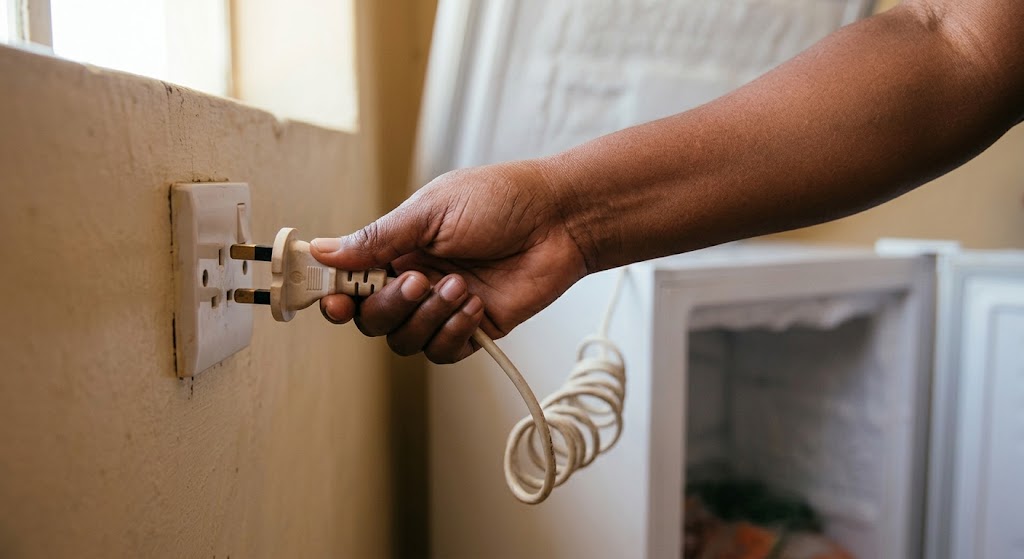
Preparation is the most important step in preventing mess and food spoilage. Turn off the power switch at the wall socket and unplug the appliance completely to eliminate any danger of electric shock.
Move all frozen food into cool boxes packed with ice packs, or wrap items tightly in thick layers of newspaper to keep them cold during the process.
Once the freezer is empty, place shallow plastic basins or thick towels at the bottom to catch melting water. Remove detachable drawers and glass shelves to create space and prevent plastic components from cracking due to sudden shifts in temperature.
Leaving the freezer door wide open allows room-temperature air to begin thawing the ice naturally.
Melting the ice safely and finishing up
Patience is essential when removing frost. Sharp metal tools such as knives, screwdrivers, or ice picks should never be used to scrape ice from the walls.
A single puncture to the internal lining or cooling pipes releases refrigerant gas, rendering the unit unusable. Similarly, pouring boiling water directly onto cold plastic or using electric hair dryers near standing water creates safety hazards and warps interior panels.
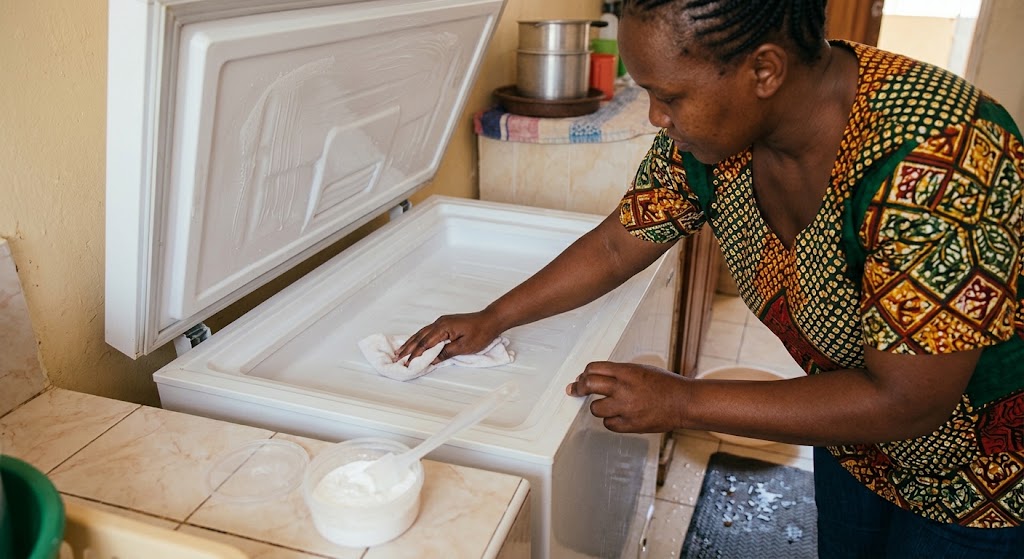
To speed up thawing safely, place a heat-resistant bowl of hot water inside the chamber and close the door for ten minutes. The trapped steam gently loosens the ice, allowing it to slide off easily.
Use a flexible plastic spatula to remove soft chunks. After all the ice has melted, wash the interior using warm water mixed with a tablespoon of baking soda to eliminate lingering odours.
Dry every surface thoroughly with a clean cloth before plugging the appliance back in, preventing leftover moisture from instantly forming fresh frost.