How to remove mould from bathroom walls permanently
By William Muthama, July 21, 2026Mould is one of the most common problems homeowners face in bathrooms because these spaces are constantly exposed to moisture. Steam from hot showers, poor ventilation, and leaking fixtures create the perfect environment for mould to grow on painted walls, ceilings, tiles, and grout.
Besides leaving unsightly black or green stains, mould can produce a musty smell and may trigger allergies or respiratory irritation in some people.
The good news is that most surface mould can be removed with simple household products if it is treated early.
How to remove mould safely
Before you begin cleaning, make sure the bathroom is well ventilated. Open a window if possible and switch on the exhaust fan to help reduce the number of mould spores in the air.
Wearing rubber gloves and a face mask is also recommended to protect your skin and avoid breathing in mould particles.
Fill a spray bottle with undiluted white vinegar and spray it directly onto the mouldy areas. Allow the vinegar to sit for about an hour so it can break down the mould.
Once the waiting time is over, gently scrub the affected surface using a soft sponge or brush.
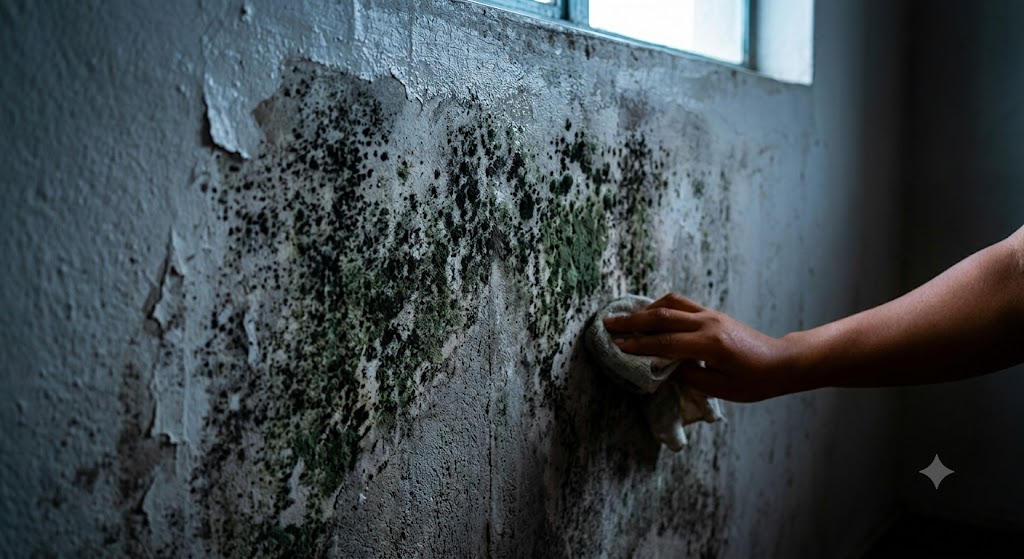
Avoid using abrasive cleaning tools that could damage painted walls or tiles. If stubborn stains remain, make a paste using baking soda and a little water, apply it to the affected area, and scrub gently until the mould disappears.
After cleaning, wipe the wall with a damp cloth to remove any residue before drying it thoroughly with a clean towel or microfiber cloth. Keeping the surface dry is essential because mould thrives in damp conditions.
Preventing mould from returning
Cleaning alone will not solve the problem if excess moisture remains in the bathroom. Running the exhaust fan during and for at least 20 minutes after every shower helps remove humid air before it settles on walls and ceilings.
If your bathroom has a window, opening it after bathing can improve airflow and speed up drying.
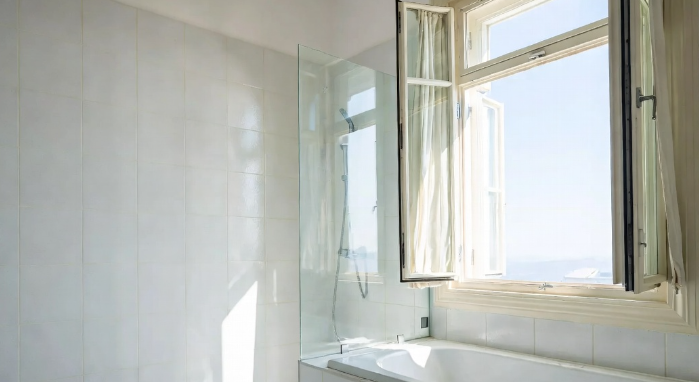
It is also important to repair leaking taps, showerheads, or pipes as soon as they are noticed. Even small leaks can keep walls damp enough for mould to grow.
Wiping down shower walls, glass doors, and tiles after use is another simple habit that can significantly reduce moisture.
Washing bath mats, towels, and shower curtains regularly also helps prevent mildew from developing.