How to pet-proof your home before bringing home a cat or dog
By Dan Kauna, September 16, 2026Bringing a new puppy or kitten into your living space is exciting, but households as they are pose a variety of risks to curious pets.
Loose phone chargers, open dustbins, and exposed balcony railings can quickly lead to emergency vet visits. Taking a few steps to secure your living room, kitchen, and balcony saves you stress and keeps your new companion safe from day one.
A study on veterinary emergency cases published in MDPI Veterinary Sciences highlights why early prevention matters, noting that “the ingestion of foreign bodies (FBs) is relatively common in both canine and feline patients, although dogs are more likely to present with esophageal and gastric FBs than cats.”
A pet-proofed home means dogs and cats are less likely to get sick or electrocuted by exposed sockets and other hazards.
Tackling electrical wires and small household hazards
Puppies and kittens explore the world with their mouths, making exposed wiring a top hazard. Phone chargers, extension cables, and television leads look like chew toys to a young animal.
Tuck loose cords behind heavy furniture or run them through PVC conduit pipes to protect both your electronics and your pet.
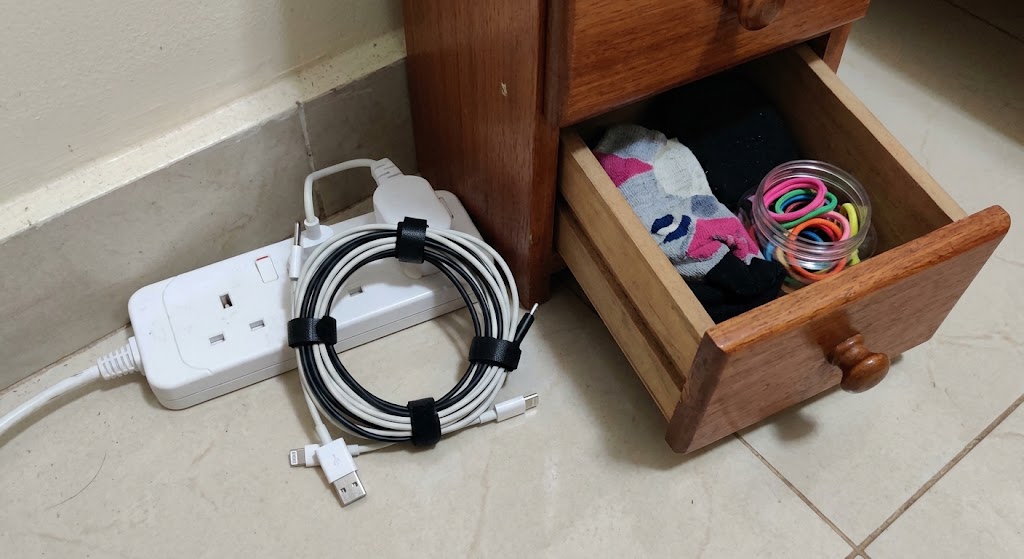
Kitchen and dining areas need equal attention. Open rubbish bins containing chicken bones, plastic wrappings, or leftover food are primary targets.
Switching to a step-on bin with a tight lid prevents scavenging. Similarly, keep small everyday items like socks, hair ties, needles, and rubber bands stored inside drawers.
These small objects cause intestinal blockages when swallowed, often requiring emergency surgery that can be costly.
Securing balconies, furniture, and tight spaces
For anyone living in an apartment, balconies and open windows present severe fall risks, especially for kittens. Standard balcony grilles in many flats are wide enough for a young cat or small dog breed to slip through.
Fit durable wire mesh or plastic netting along the lower section of the balcony rail to create a safe barrier without blocking light or ventilation.
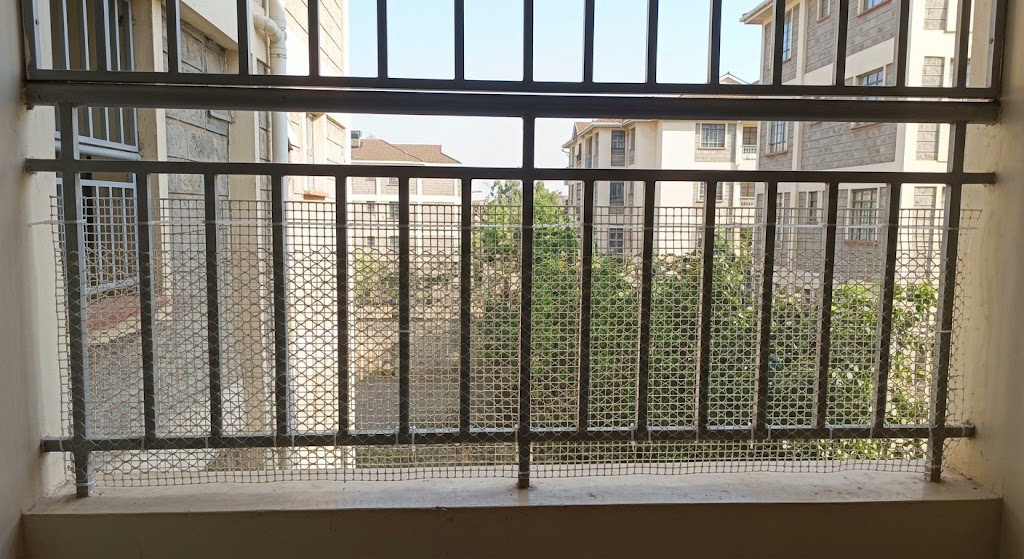
Lastly, check small gaps behind appliances like fridges, washing machines, and sofas. Young pets seek out dark, narrow spaces when frightened or sleepy.
Blocking these gaps with solid boards or plastic stoppers keeps them from getting trapped or chewing on hidden cables.
Taking time to walk through your house at ground level helps you spot hazards you might otherwise miss, ensuring your home is secure for your new family member.