How to make your home more fuel-efficient as energy costs stay high
By Dan Kauna, June 3, 2026Electricity tokens and cooking gas prices are keeping household budgets tight across Kenya. For people living in rental flats, making permanent structural changes to save energy is not an option.
Fortunately, you can still significantly lower your monthly bills by tweaking how you cook, when you use appliances, and how you manage your living space.
Kitchen economics and appliance timing
Cooking takes up a large portion of domestic spending, but mixing your options wisely cuts down the cost. Many Kenyans rely heavily on Liquefied Petroleum Gas (LPG) because they believe electricity is always the expensive option. However, modern, efficient appliances change the dynamic.
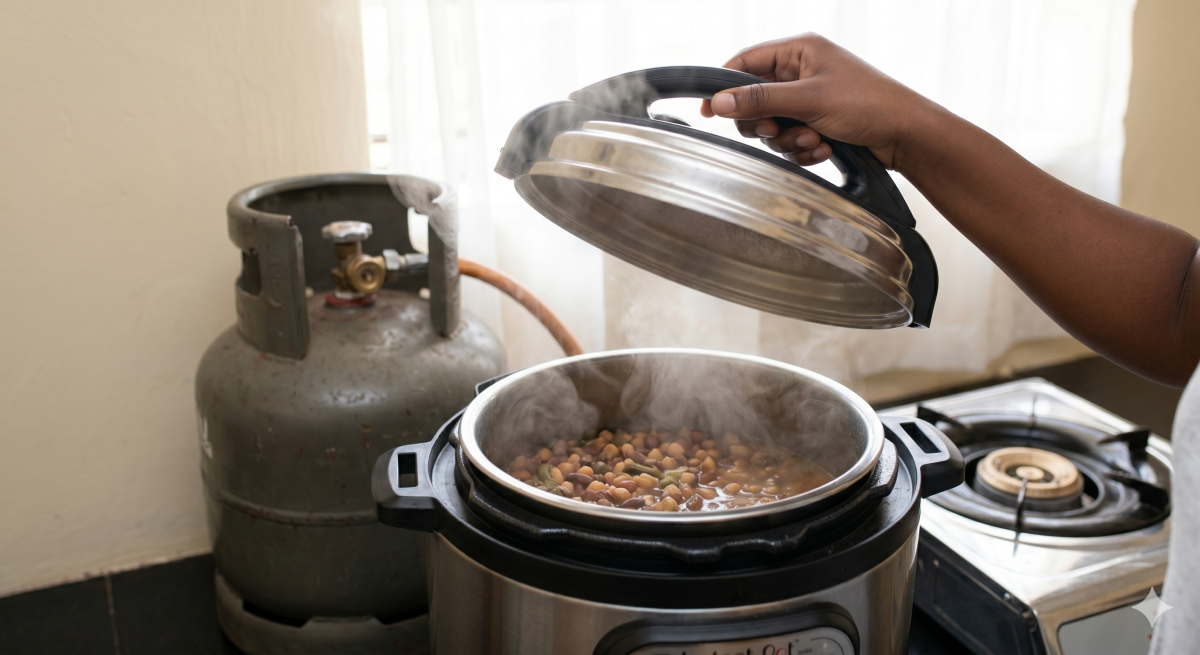
Peer-reviewed research published in PMC notes that “the electric pressure cooker was the most cost- and energy-efficient device” when compared to LPG and charcoal, particularly for meals that require long boiling times.
Preparing dishes like githeri or beans in an electric pressure cooker instead of using gas can save a household up to Sh1,500 every month. For quick meals like eggs or stir-fries, LPG remains highly effective.
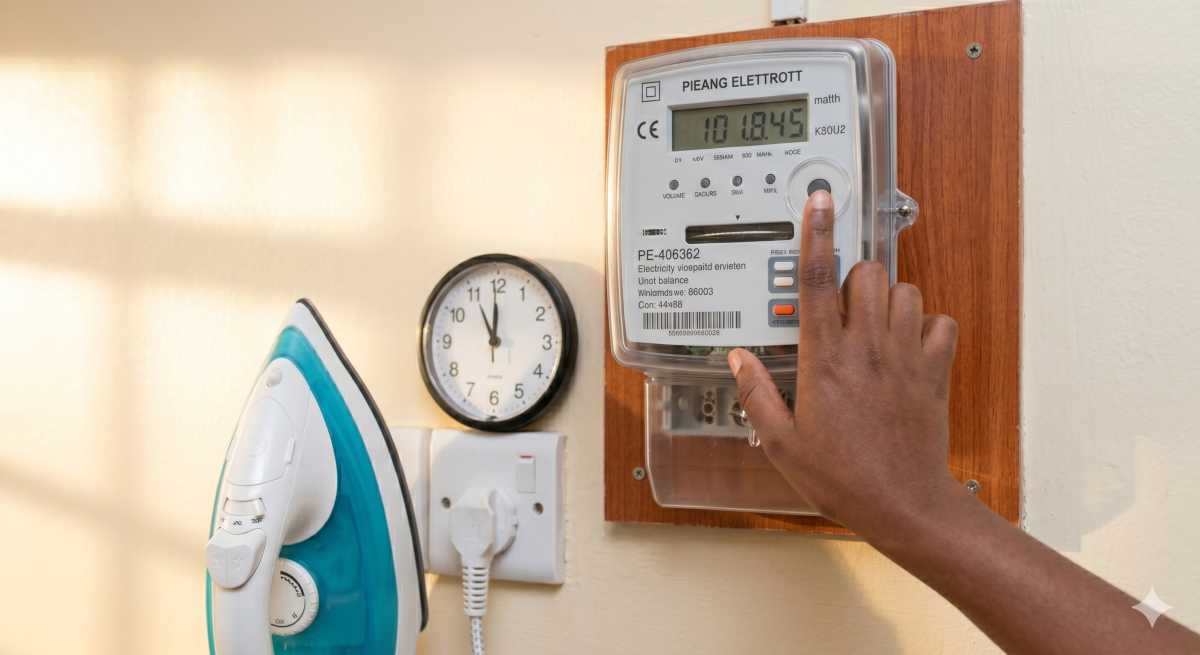
Appliance timing also matters. Unplugging electronics when they are not in use prevents silent power drain. Running heavy appliances like irons or washing machines during late-night or early-morning off-peak hours also helps manage the load on your meter, ensuring tokens last longer.
Easy insulation hacks and solar alternatives
Most urban flats get warm during the day and chilly at night, tempting people to use power-hungry space heaters or fans. You can regulate the indoor temperature without changing the building.
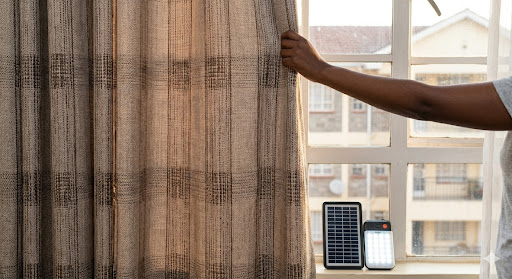
Hanging heavy curtains blocks out the harsh afternoon sun. Closing them right before sunset traps the day’s warmth inside for the evening. Placing a simple fabric draft stopper under the main door also stops cold air from rushing into the living room.
Water heating is another major contributor to high electricity bills. While tenants cannot install large solar panels on the roof, portable balcony-mounted solar kits can charge phones and power basic lighting.
For the bathroom, replacing a high-flow showerhead with a low-flow version reduces the amount of water your instant heater needs to warm up, instantly lowering power consumption.
These everyday adjustments protect your pocket while keeping your home comfortable.