How to clean dirty tile grout without damaging your home
By Dan Kauna, August 13, 2026Tiles make kitchens and bathrooms look neat and bright, but the lines between them often tell a different story. Over time, those light cement grout lines turn dark, greasy, or stained.
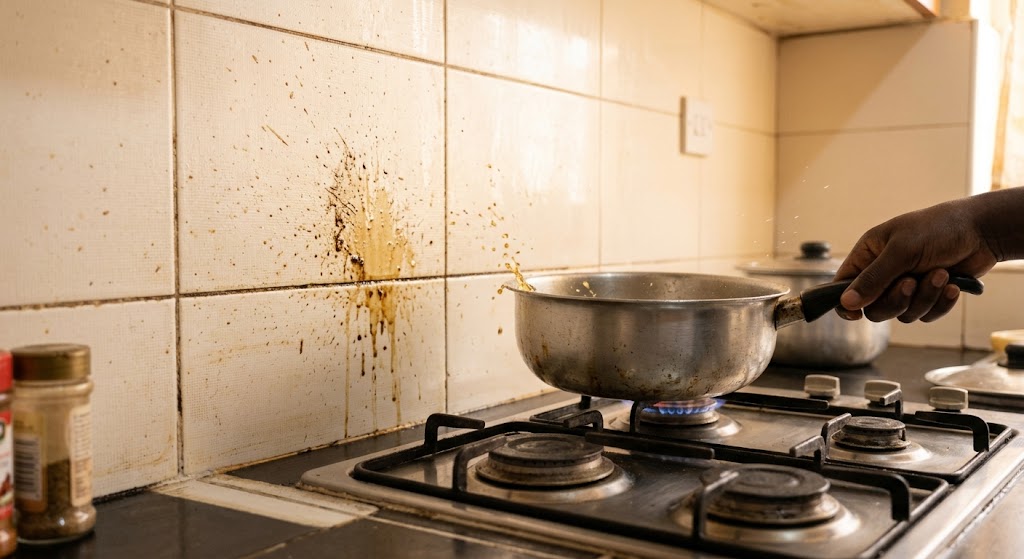
In many homes, daily cooking sends oil splatters across kitchen walls, while steam in poorly ventilated bathrooms creates the perfect spot for mould to grow.
Because cement grout is naturally porous, it acts like a firm sponge. It quickly soaks up dirty water, spills, and moisture, keeping grime trapped deep below the surface.
Why harsh cleaners make the problem worse
When grout lines start looking dark, the natural reaction is to scrub them with strong acidic cleaners, heavy vinegar mixtures, or harsh bleaching chemicals. While acid might quickly strip away surface dirt, it actually ruins your walls and floors in the long run.
Cement grout is alkaline. When you pour strong acid on it, a chemical reaction occurs that slowly eats away at the cement binder. This process breaks down the fine particles holding the grout together, leaving tiny holes and rough channels along the line.
Once the grout surface is ruined this way, it becomes even more porous, soaking up grease and dirt twice as fast as before.
The cheap baking soda solution that works
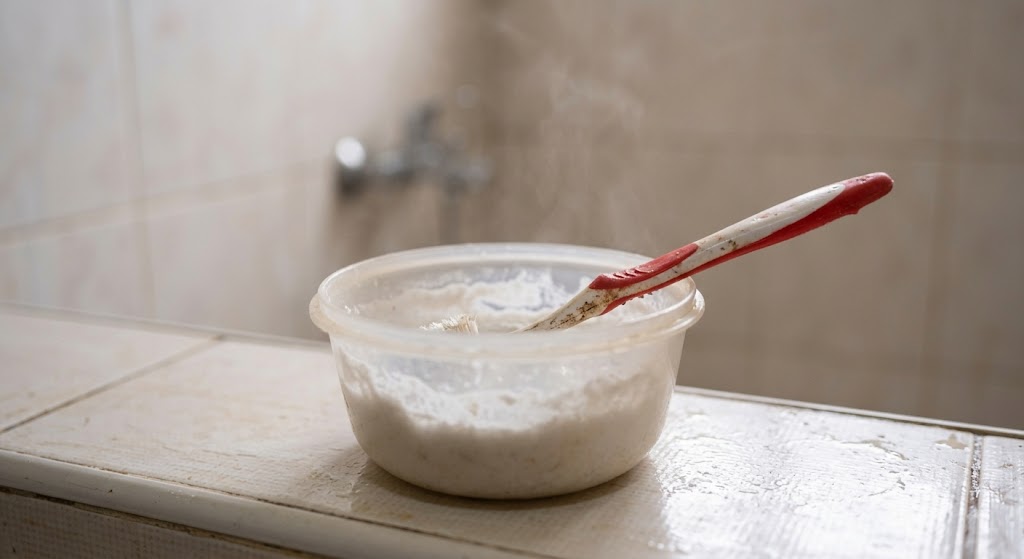
To clean grout safely, you need something that lifts dirt without destroying the cement underneath. A simple paste made from three parts baking soda and one part water is one of the safest methods you can use at home.
Baking soda works as a gentle scrubber that breaks down tough grease without scratching your tiles or weakening the grout structure. It also helps fight fungal growth in damp bathrooms.
Peer-reviewed research confirms that “NaHCO3 (Baking Soda) has a strong ability to inhibit the growth of fungi in both natural environment and daily application.”
To use this method, spread the thick baking soda paste directly onto the dirty lines. Let it sit for ten to fifteen minutes so it can soften the hardened oil and target hidden spores. After waiting, gently scrub the lines using an old toothbrush or a soft brush, then wipe everything clean with a wet cloth.
A packet of baking soda costs less than Ksh100 at your local shop, making this simple habit an affordable way to keep your home looking fresh without damaging your tiles.