Household water hacks: Ways to reuse greywater and lower your monthly bills
By Dan Kauna, September 24, 2026In many homes, water meters spin quickly while monthly utility bills climb. Managing a household budget in Nairobi, Mombasa, or Kisumu requires watching every drop.
Fortunately, much of the clean water poured down household drains can safely serve a second purpose.
Reusing greywater, which includes discharge from showers, bathroom basins, and washing machines, offers a method to cut overall consumption without having to change daily routines.
Techniques for household water reuse
Not all domestic wastewater is suitable for immediate recycling. Blackwater from toilets and greasy discharge from kitchen sinks carry heavy organic loads and require proper sewer disposal.
However, gently used water from baths, shower basins, and laundry rinses works well for non-potable tasks.
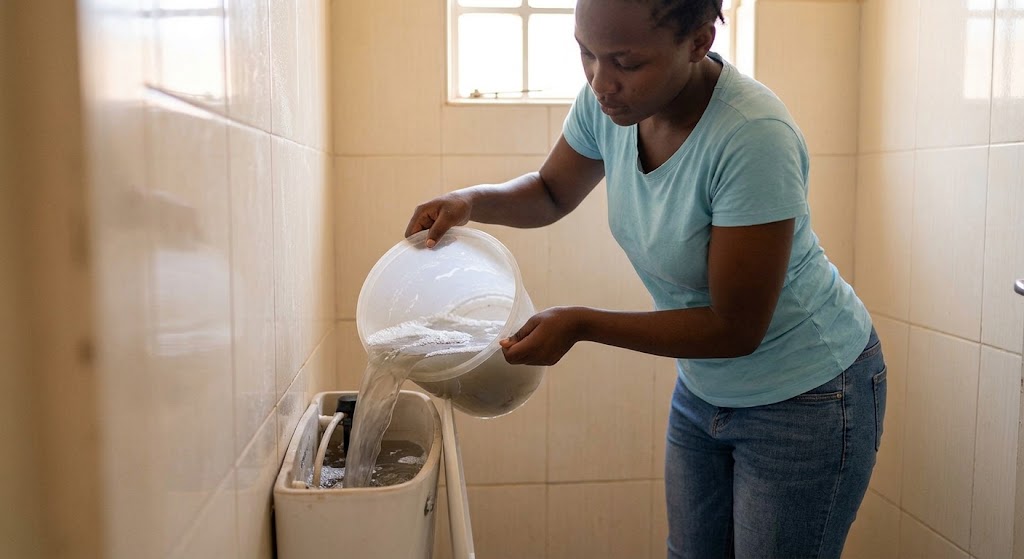
Pouring laundry rinse water into a bucket to flush toilets is one of the simplest ways to put greywater to beneficial use.
Placing a bucket in the shower to catch clean runoff while waiting for water to heat up provides an instant supply for scrubbing floors or watering outdoor plants.
For home gardens, using greywater to water trees or lawns keeps vegetation healthy during dry seasons. Raw greywater must never sit in storage buckets for more than 24 hours, as stagnant water breeds bacteria and creates unpleasant odours.
Long-term household savings
Scientific research highlights how tapping into domestic drain streams reduces monthly demand on municipal networks. According to a 2023 study, “greywater reuse could thus theoretically entail a water savings potential of 50–80%” across routine domestic activities.
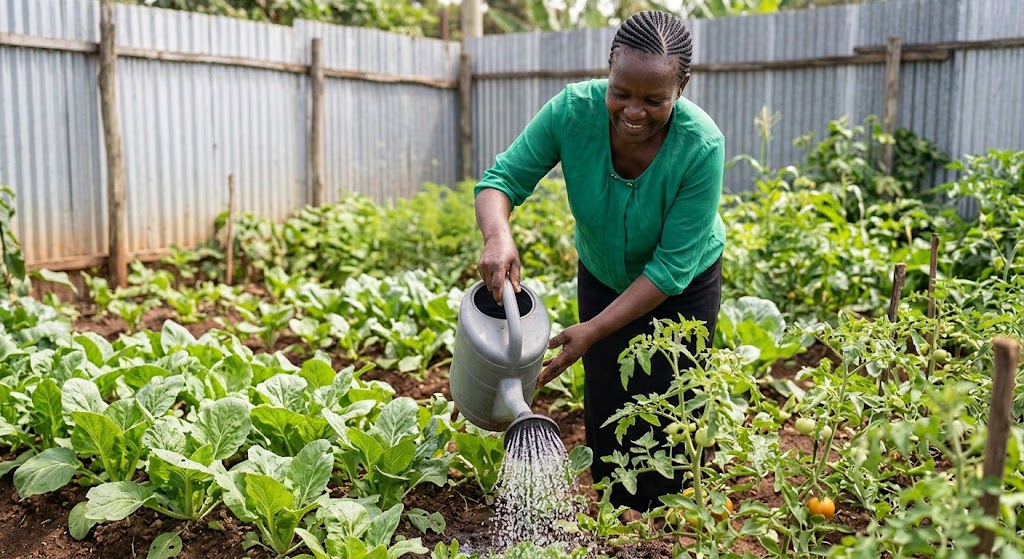
Lowering reliance on piped supplies directly reduces monthly water bills, saving households up to Ksh2,000 every billing cycle while also easing vendor expenses during rationing periods.
To protect garden soil, households should switch to low-sodium, biodegradable detergents and avoid applying water contaminated with bleach or fabric softeners.
Install simple mesh strainers over drain outlets to catch lint and hair, preventing pipe blockages. Adopting these practices allows households to save money while conserving the community’s vital resources.