Advertisement
Different TV wall mounts explained simply
25th May, 2026 06:01 PM
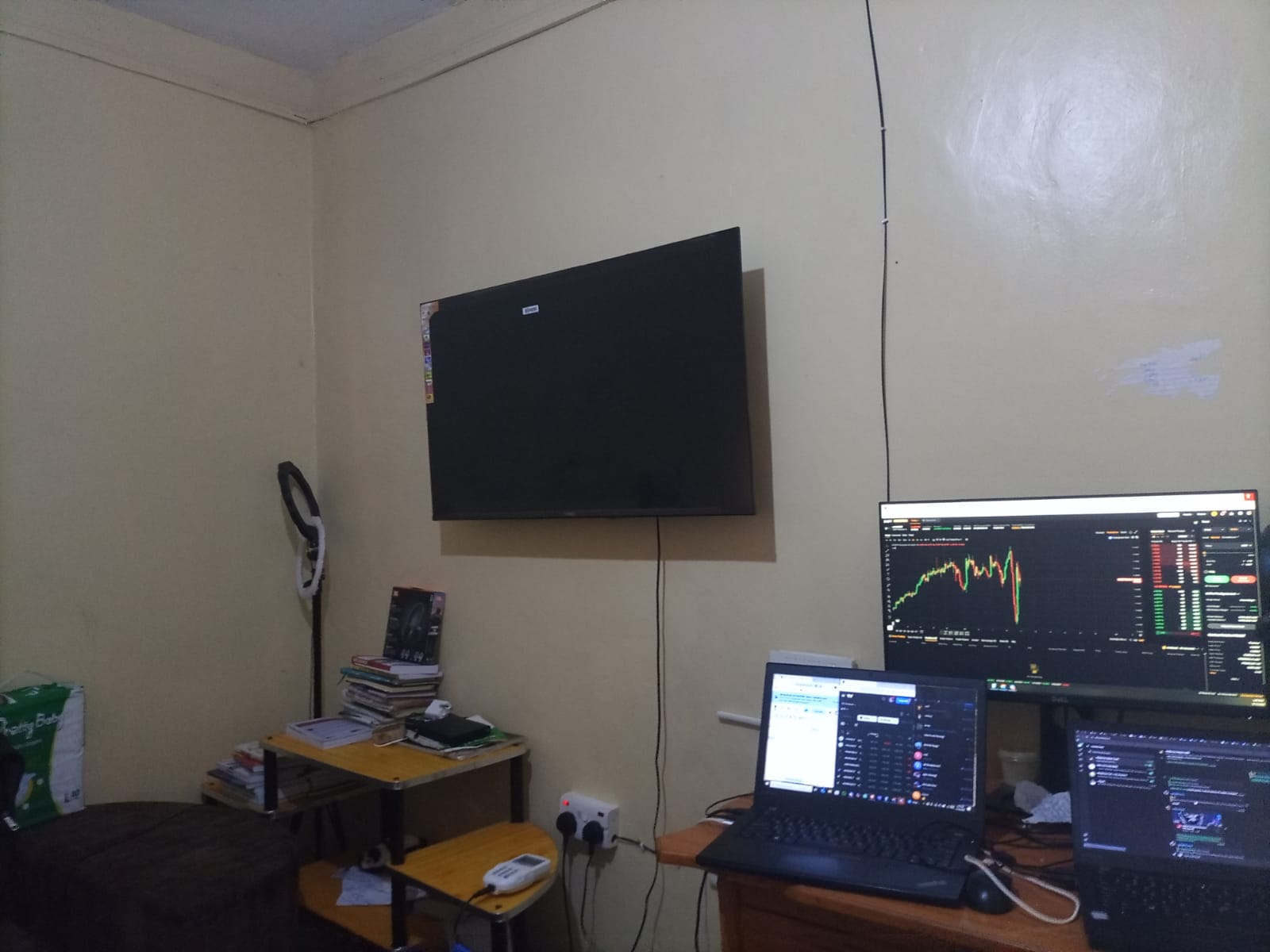
Buying a good television is only part of creating a comfortable viewing experience at home.
The way a TV is mounted can completely change how a room looks, how people watch comfortably, and even how much space is saved.
Today, many homeowners prefer wall mounting because it gives rooms a cleaner and more modern appearance.
However, not all TV mounts are the same. Each type is designed for different spaces and viewing needs.
Understanding the common types of TV wall mounts can help people choose the right setup for their homes.
Fixed mount
A fixed mount is the simplest and most common type of TV wall mount. It keeps the television flat against the wall without movement.
This type is ideal for people who usually watch TV from one position, such as directly facing the screen from a sofa or bed.
Since the television stays close to the wall, it creates a neat and minimal appearance.
Fixed mounts are popular in living rooms, bedrooms, and offices where viewers do not need to adjust screen angles often.
Tilting mount
A tilting mount allows the television to move slightly up or down.
This helps reduce glare from windows or lights and improves viewing comfort when the TV is mounted higher than eye level.
Many people use tilting mounts in bedrooms or above fireplaces where the screen may sit higher on the wall.
The slight angle adjustment helps prevent neck strain during long viewing sessions.
It offers more flexibility than a fixed mount while still maintaining a clean appearance.
Full motion mount
A full motion mount, sometimes called a swivel mount, offers the highest level of flexibility.
It allows the TV to move left, right, up, down, and sometimes extend away from the wall.
This type works well in larger rooms where viewers may watch television from different angles.
For example, someone cooking in the kitchen may still want to rotate the TV slightly toward that area.
Full motion mounts are also useful in open-plan homes where one television serves multiple spaces.
Ceiling mount
Ceiling mounts attach televisions from above instead of the wall.
They are less common in homes but widely used in restaurants, hospitals, waiting areas, gyms, and public spaces.
In some homes, ceiling mounts help save wall space or provide better viewing angles in unusual room layouts.
These mounts are especially useful where walls may not support heavy televisions.
Corner mount
Corner mounts are designed to fit televisions neatly into room corners. They are ideal for small spaces where wall space is limited.
Many apartment owners and people living in compact homes choose corner mounts to maximise available room space without overcrowding walls.
They also help create better viewing balance in oddly shaped rooms.
Motorised mount
Motorised mounts are more advanced and often found in luxury homes.
These mounts use remote controls or smart systems to move televisions automatically.
Some can tilt, rotate, or even lower TVs from hidden ceiling spaces.
While they are more expensive, they add convenience and a modern feel to entertainment setups.
They are becoming increasingly popular in smart homes and high-end interior designs.
Choosing wisely
The best TV mount depends on room size, viewing habits, and personal preference.
Some people prioritise simplicity, while others prefer flexibility and movement.
A fixed mount may work perfectly for a simple living room setup, while a full motion mount could be better for larger family spaces.
Choosing the right mount not only improves viewing comfort but also enhances room appearance, safety, and space management.
As televisions become larger and homes become more modern, TV wall mounts are slowly becoming an important part of interior design rather than just a way to hold a screen.