Advertisement
Bedbugs: How to get rid of the bloodsuckers and keep them out of your home
19th August, 2026 12:00 AM
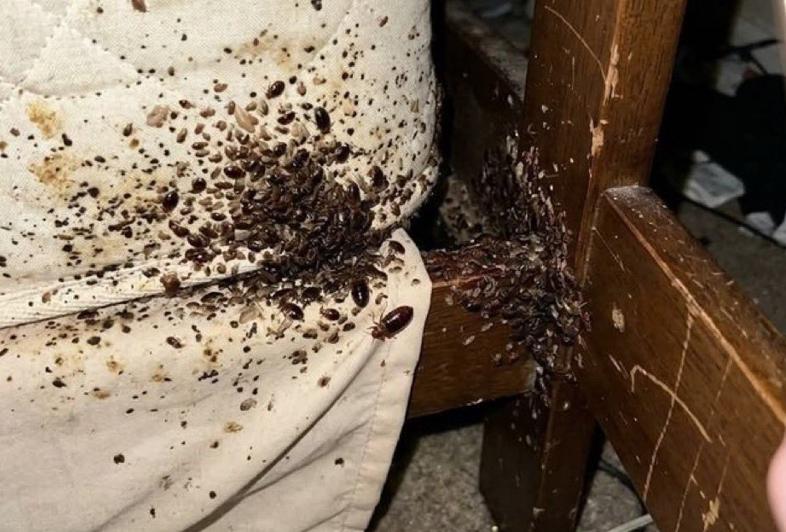
Bedbugs are tiny, persistent pests that can turn a good night’s sleep into a frustrating battle.
The insects hide in mattresses, bed frames, furniture, cracks and other dark spaces before emerging to feed on blood. They are also good hitchhikers, meaning they can enter a home through luggage, clothing, bedding, second-hand furniture and other items.
An infestation is not necessarily a sign of a dirty home. Bedbugs can affect clean homes and can spread wherever people live, sleep or travel.
So, what should you do if you discover them?
Confirm that they are bedbugs
Before treating your home, make sure the insects are actually bedbugs.
Look closely at mattresses, seams, bed frames, headboards and nearby furniture for live insects, eggs, shed skins or dark spotting. Bedbug bites alone are not a reliable way of confirming an infestation because skin reactions can vary from person to person.
If you are unsure, have the insect identified by a pest-control professional or another qualified expert before beginning treatment.
Don’t move to another room
One of the common mistakes people make is abandoning an infested bedroom and sleeping elsewhere.
That can allow the insects to follow you and establish themselves in another room. Instead, the aim should be to contain the infestation while treating the affected areas.
The US Environmental Protection Agency (EPA) recommends making the bed an “island” by moving it away from the wall, ensuring bedding does not touch the floor and placing bedbug interceptors beneath the legs where appropriate.
Wash and heat-dry bedding and clothes
Collect bedding, clothing and other washable items carefully and place them in sealed plastic bags before moving them to the laundry area.
Washing alone may not reliably kill bedbugs. The EPA recommends putting bedding and clothing that can tolerate it in a household dryer at high heat for about 30 minutes.
After treatment, keep clean items in sealed bags or containers so that they do not become re-infested.
Vacuum thoroughly
Vacuum mattresses, bed frames, floors, furniture, cracks and other places where bedbugs may hide.
Pay particular attention to seams, crevices and areas around the bed.
After vacuuming, immediately seal the vacuum contents in a plastic bag and dispose of it in an outdoor rubbish bin.
Vacuuming alone may not eliminate an infestation, but it can reduce the number of insects and eggs and form part of a broader treatment plan.
Reduce clutter
Bedbugs thrive in places where they can hide.
Clear unnecessary clutter around beds and furniture, but avoid moving potentially infested belongings from one room to another. Items that cannot immediately be treated should be sealed in plastic bags or appropriate containers.
Be particularly careful when disposing of infested furniture. Throwing a mattress or sofa outside without marking or properly handling it can allow the insects to spread to another household.
Consider mattress encasements
Special bedbug-proof covers for mattresses and box springs can trap insects inside and remove some of their hiding places.
The covers should be designed specifically for bedbugs, completely enclose the mattress and remain intact.
Be cautious with pesticides
Spraying the entire house indiscriminately is not necessarily the answer.
Bedbug control is generally more effective when several methods are combined, an approach known as integrated pest management (IPM). This can include cleaning, vacuuming, heat treatment, encasements, monitoring and, where appropriate, carefully selected pesticides.
If you use a pesticide, make sure it is legally approved for indoor use and follow the instructions on the label. Never use a product indoors simply because it is advertised as an insect killer.
The EPA also warns against relying solely on foggers or “bug bombs”. They may not reach the cracks and crevices where bedbugs hide and improper use can pose health and fire risks.
Know when to call a professional
A serious infestation can be difficult to eliminate without professional help.
Consider bringing in a qualified pest-control professional if the insects have spread to several rooms, repeated home treatments have failed or you cannot identify and treat their hiding places effectively.
Professional treatment may involve inspection, vacuuming, heat treatment and carefully selected pesticides.
Don’t expect an overnight solution
Getting rid of bedbugs can take time because their eggs can survive some treatment methods and newly hatched insects may emerge after the initial treatment.
The EPA notes that controlling bedbugs can take weeks or even months, depending on the extent of the infestation and how effectively all residents participate in the treatment process.
Continue inspecting the home after treatment rather than assuming that seeing no insects for a few days means the infestation has ended.
How to prevent another infestation
Once the problem has been controlled, prevention becomes important.
Inspect second-hand beds, sofas and other furniture carefully before bringing them into the house. Be cautious with luggage after travelling and avoid placing bags on beds when possible. Regular vacuuming, reducing clutter and using protective mattress encasements can also help.
Above all, do not panic or stigmatise people dealing with bedbugs. The insects are highly effective hitchhikers, and an infestation can happen in any household.
The key is to detect the problem early, contain it and use several control measures rather than relying on a single quick fix.
Author
Francis Muli
Francis Muli is an editor and passionate digital journalist with extensive experience in crafting compelling stories across various platforms. His major focus is in business, politics and current affairs. He has a keen eye for detail and a commitment to uncovering the truth. He has contributed to leading publications across the country. When not chasing stories, you can find Muli exploring new technologies, attending local events, or reading fiction. Connect with Francis Muli on X @FMuliKE and Facebook (Francis Muli) to follow his latest stories and insights.
View all posts by Francis Muli