Hepatitis: Essential health facts you should know about silent killer disease
By Katemarthason Okudo, April 28, 2026Each day, millions of people go about their daily activities, unaware that the virus silently killing their liver lies within them. Hepatitis B and C are among the most deadly infectious diseases in the world, and yet they do not receive the attention that they deserve because there are no initial symptoms that can give them away until it’s already too late.
The numbers
On Tuesday, April 28, 2026, the World Health Organization (WHO) unveiled its report on global hepatitis in Bangkok, Thailand. The hepatitis B and C viruses, which together are the cause of 95 per cent of all the cases that lead to death because of hepatitis, were responsible for the loss of over 1.34 million lives in just 2024 alone. This number surpasses both the figures for HIV and Malaria, leading to more than 4,900 cases being reported each day.
The good news is that new cases of hepatitis B fell 32 per cent, while mortality due to hepatitis C declined 12 per cent between 2015 and 2024. However, according to WHO Director-General Dr Tedros Adhanom Ghebreyesus, this is far from enough.
Things You Should Know
Both hepatitis B and hepatitis C infections spread through blood, unprotected sex, or mother-to-child transmission during delivery. The infections remain asymptomatic for years until significant damage occurs to the liver.
Therefore, undergoing a test remains the only option for knowing whether one is infected or not.
Things You Can Do
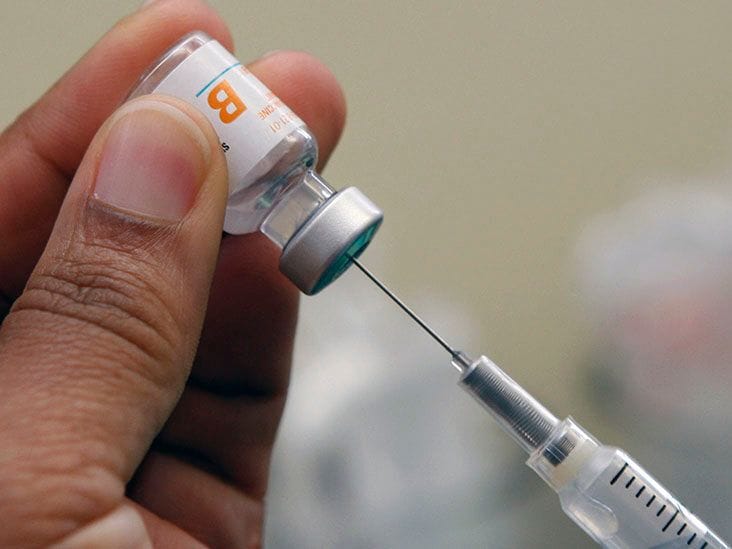
There exists a very effective vaccine for the treatment of hepatitis B. The infection is now curable due to the development of anti-virals, which can be accessed through public hospitals.
All it takes is a blood test.
The WHO is currently calling on states to fast-track efforts in controlling and managing these diseases by 2030. In Kenya, the fight against these infections begins with you being tested.
The latest data comes months after a controversial study on Hepatitis B in Africa was cancelled.