World Rabies Day: What to do in the first 10 minutes after a dog bite
By Dan Kauna, September 28, 2026A dog bite can happen in seconds, whether from a neighbourhood pet or a stray animal on the street. While panic is a natural reaction, the actions taken in the first 10 minutes determine the outcome.
Rabies is virtually 100 percent fatal once physical symptoms appear, yet the infection is completely preventable when managed immediately after exposure.
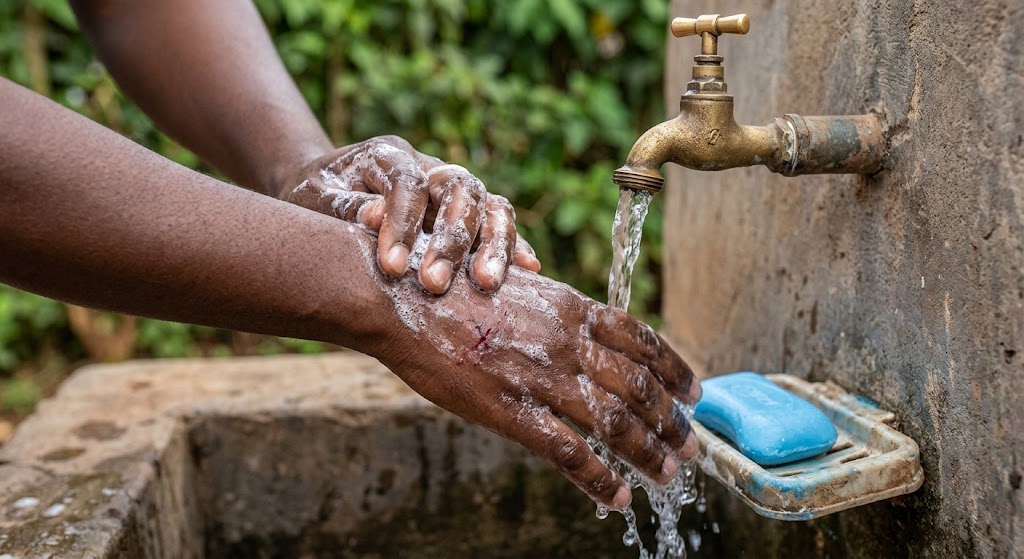
Wash the wound with soap and running water
The first line of defence requires only clean running water and ordinary soap. Anyone bitten or scratched should go straight to a tap and wash the affected skin continuously for 15 minutes.
Soap breaks down the lipid envelope surrounding the rabies virus, while the continuous stream of water flushes away animal saliva and surface dirt.
According to research published in a clinical protocol by the World Health Organization, “Thorough wound washing is a life-saving measure to mechanically reduce the viral inoculum at the wound site.”
Skipping this step or rushing through a quick rinse will leave viral particles behind, worsening the wound.
Skip home remedies and tight bandages
In many communities, traditional responses to animal bites involve applying salt, raw pepper, wood ash, or paraffin directly onto the skin. These home remedies do not destroy the virus.
Instead, harsh substances burn exposed tissue, delay natural healing, and introduce dangerous bacterial infections.
Covering the injury tightly is another common mistake. Bandaging a fresh bite or stitching the skin shut traps rabies-contaminated saliva deep inside the tissue, making it easier for the virus to access nearby nerves.
Leave the washed area open or loosely covered with a clean, dry cloth while travelling to the nearest hospital or health centre.
Seek emergency post-exposure medical care
Immediate local wound care must be followed by professional medical evaluation. Visit a dispensary or hospital right away to start Post-Exposure Prophylaxis, widely known as PEP.
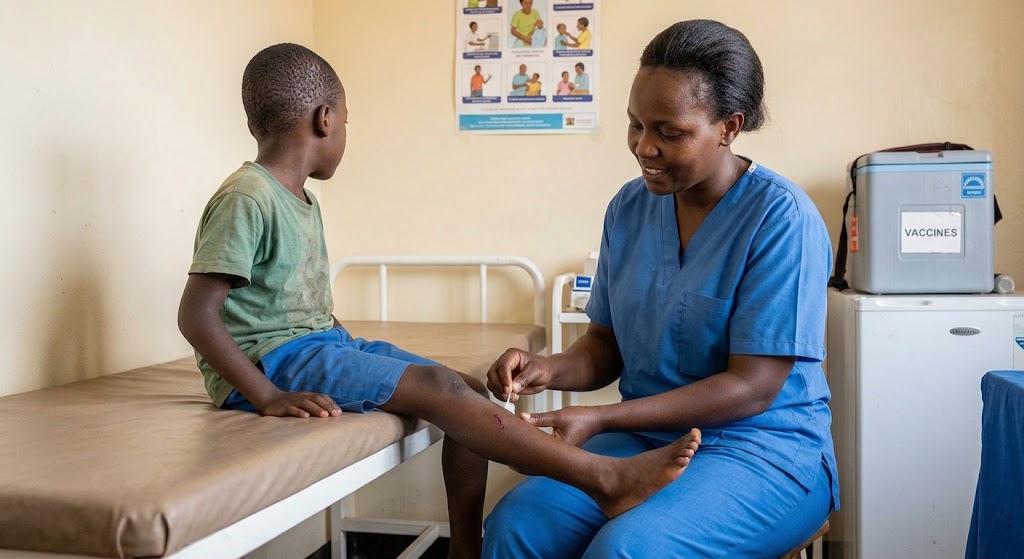
Medical personnel will evaluate the injury and administer a series of rabies vaccines to build active immunity.
For deep punctures or bites that bleed, healthcare workers may also inject rabies immunoglobulin directly around the wound to neutralise the virus on contact. Timely administration of these injections stops the virus before it reaches the central nervous system.
On World Rabies Day, marked every September 28, health experts remind the public that prompt first response remains the most reliable protection against a usually fatal infection.