Why some people drool more than others while sleeping
By Cynthia Lodite, September 24, 2026Waking up to a wet pillow can be embarrassing, especially when it happens regularly. However, drooling during sleep is common and does not always mean that something is wrong.
Drooling happens when saliva collects in the mouth and escapes while you are asleep. How much a person drools can depend on several factors, including their sleeping position, breathing habits and how well they swallow saliva during sleep.
1. Sleeping position can make a difference
People who sleep on their side or stomach may be more likely to notice drooling because saliva can leave the mouth more easily when gravity is working in that direction.
People who sleep on their backs may be less likely to notice saliva escaping from the mouth, although this can vary from person to person.
2. Some people produce more saliva
Saliva production varies between individuals. Certain foods, medications and health conditions can also affect how much saliva a person produces.
When more saliva collects in the mouth during sleep, there may simply be more to escape, particularly if the mouth is open.
3. Mouth breathing can contribute
A blocked nose caused by a cold, allergies or other nasal problems can make it harder to breathe through the nose.
Some people may then sleep with their mouths open, making it easier for saliva to escape onto the pillow.
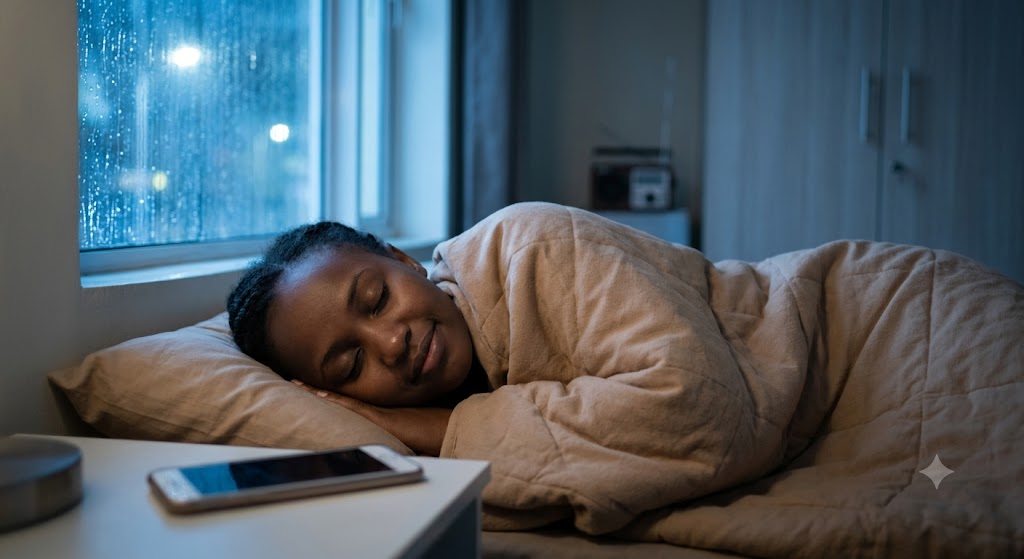
4. Deep sleep can affect swallowing
People continue to swallow saliva during sleep, but swallowing patterns change while sleeping.
If a person swallows less frequently or sleeps very deeply, saliva can accumulate in the mouth and eventually escape. This can be more noticeable during periods of fatigue or after disrupted sleep.
5. Some health conditions can cause excessive drooling
Certain medical conditions and medications can affect saliva production, swallowing or muscle control and may result in increased drooling.
If someone suddenly starts drooling much more than usual, particularly alongside difficulty swallowing, changes in speech, weakness or other unusual symptoms, they should seek medical attention.
For many people, occasional drooling while sleeping is simply a normal part of sleep. However, frequent or sudden changes are worth discussing with a healthcare professional, especially if they occur alongside other symptoms.
A wet pillow may therefore be nothing more than a sign that you slept deeply, breathed through your mouth or happened to sleep in a position that allowed saliva to escape.