Advertisement
Why rest is the most underrated part of any fitness plan
23rd May, 2026 08:28 AM
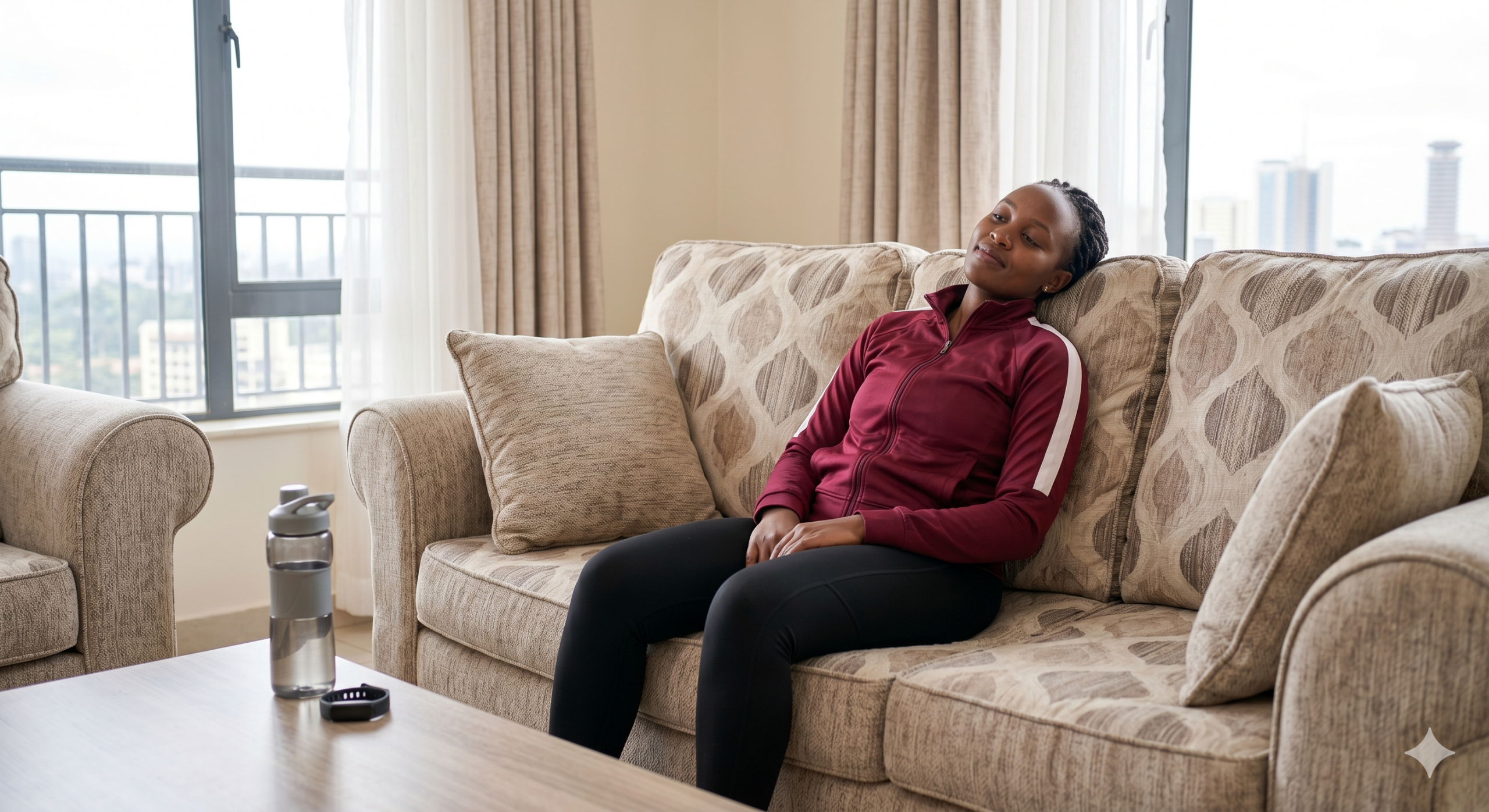
If you have ever felt guilty for skipping a session or sleeping in on a rest day, this one is for you.
The fitness world has a complicated relationship with rest. It tends to reward hustle and punish stillness.
But for most people who are not training at an elite level, more sleep and consistent recovery will do more for your body than an extra workout ever could.
Here is what is actually happening while you stop.
What your body is doing while you sleep
The hour after you finish a workout is not when your muscles grow. That comes later. During sleep.
Deep sleep triggers a surge in growth hormone, which is the signal your body needs to begin repairing damaged muscle fibres through a process called muscle protein synthesis.
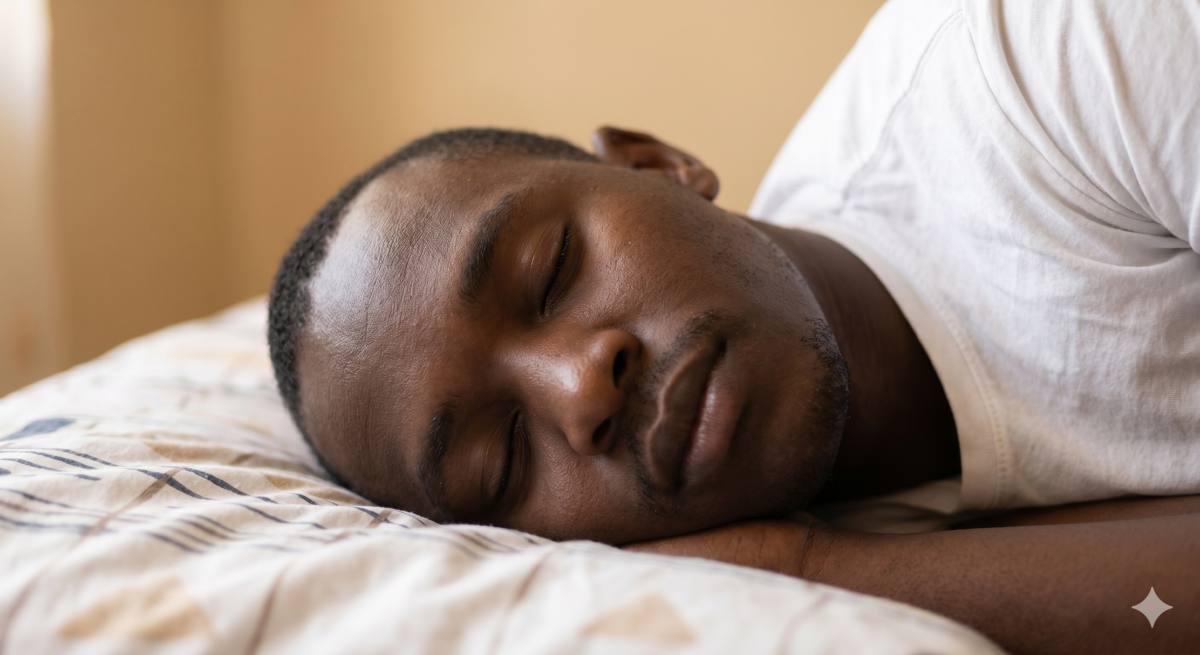
At the same time, your muscles are refilling their glycogen stores (the fuel they burned during training), and your nervous system is quietly resetting for the next effort.
A 2025 review published in the Journal of Clinical Medicine put it well: “During deep sleep, muscle repair and protein synthesis intensify, and energy stores, including muscle glycogen, are replenished.”
The same review found that poor sleep raises cortisol and simultaneously lowers testosterone and growth hormone – exactly the hormonal environment that works against your fitness goals.
Why more training is not always the answer
There is a point – and most recreational exercisers hit it sooner than they think, where adding training volume stops producing results and starts producing harm.
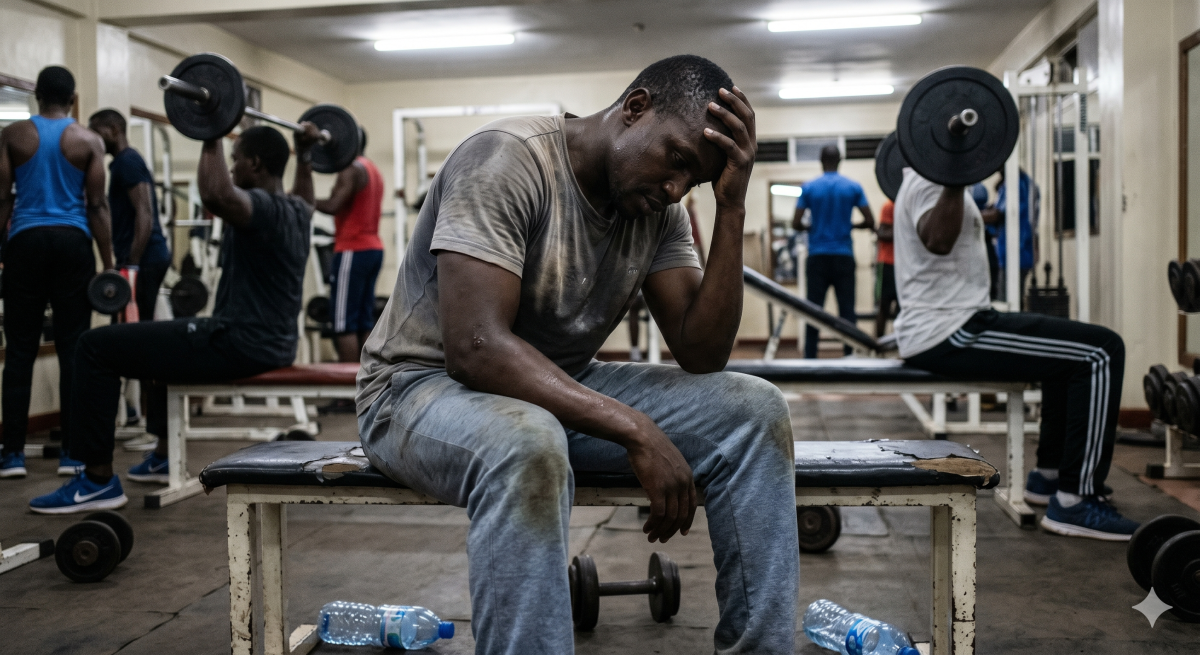
Without adequate recovery, the body stays in a stressed state. Muscles that have not fully repaired get loaded again. Hormones that should have reset do not. Performance plateaus. Injuries follow.
A 2025 meta-analysis in Frontiers in Physiology, which reviewed studies across both athletes and non-athletes, confirmed that “sleep recovery plays an essential role in restoring cognitive function, muscle recovery, and overall performance.”
The researchers found that even partial sleep deprivation (not a full sleepless night, just consistently less than your body needs) measurably reduces strength, speed, and aerobic capacity.
The takeaway is; if you are training three or four times a week and not seeing results, the answer is probably not a fifth session. It is an earlier bedtime, a rest day you actually take, and a recovery routine you actually stick to.
Rest is not the reward for hard work. It is where the hard work pays off.