Why Kenya’s health cover keeps failing families who need it most
By Willow Health, September 5, 2026Kenya’s health insurance gap is not just about how much people pay, but when they have money to pay. The solution is insurance that fits the way farmers, traders and casual workers earn, paying when they get paid.
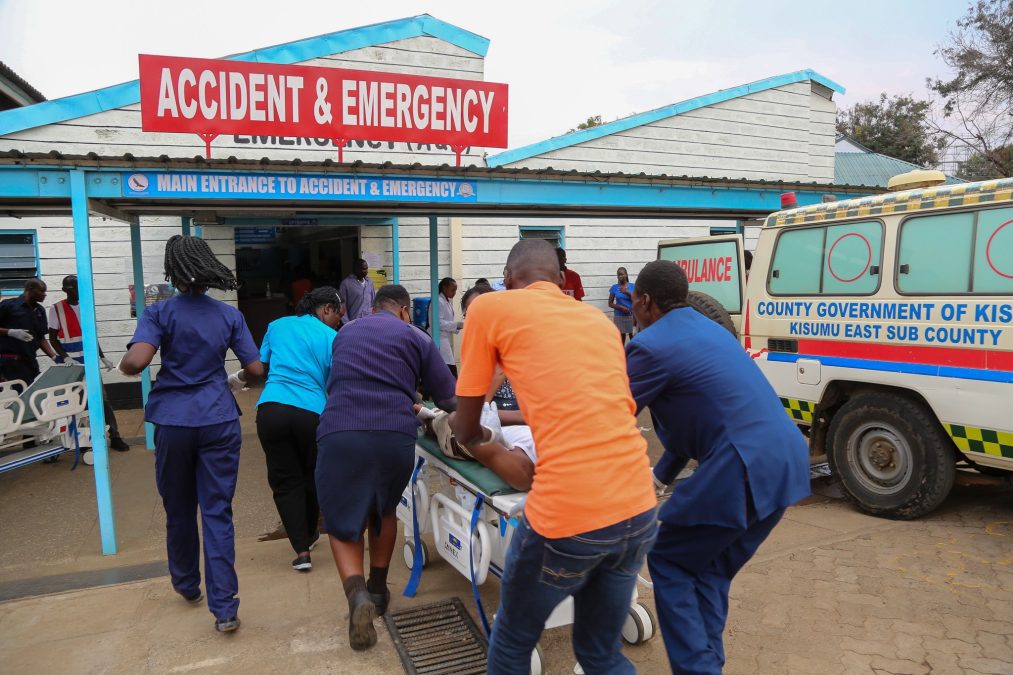
When illness strikes, Kenyan families often face two crises at the same time. One is medical: how quickly can a loved one receive the care they need? The other is financial: how will the household pay for it?
For families without adequate health cover, a single hospital bill can unsettle school fees, rent, food budgets, business capital and years of carefully built savings. The patient may recover, but the financial strain can linger long after they return home.
Kenya’s health insurance challenge is therefore also a household financial security issue.
The scale of the gap is hard to ignore. According to the 2022 Kenya Demographic and Health Survey (KDHS), health insurance coverage ranged from only 5 per cent among people in the lowest wealth quintile to 58 per cent among those in the highest. That disparity shows how closely access to protection remains tied to household income and financial stability.
The way insurance is packaged and paid for does not always reflect how households earn, spend and plan.
A full annual premium paid in one transaction may be manageable for someone on a predictable salary. It is far more difficult for a farmer whose income depends on harvest cycles, a trader whose earnings change from day to day, or a casual worker or small business owner balancing household bills with the need to restock and keep the business running. Such a family may be able to afford insurance across a year and still struggle to produce the full premium on one day without giving up another immediate need.
Spreading a premium across several instalments gives households more room to plan payments
The way people pay for insurance should reflect the way they earn. Flexible payment arrangements can ease this pressure. Spreading a premium across several instalments gives households more room to plan payments alongside rent, school fees, food and other responsibilities.
Instalments do not reduce the annual premium, nor do they resolve the challenge faced by households whose incomes cannot sustain the total cost of cover. Their value lies in helping families that can afford protection over time but find a single lump-sum payment difficult.
This is a question of cash flow as much as affordability, and product design should recognise both.
Some insurers have already begun testing this approach. One model allows eligible customers to activate cover from the first payment and spread the remaining balance over as many as ten monthly instalments, an attempt to make the path to health protection more practical for families whose income patterns do not fit the traditional lump-sum structure.
Flexible payment also calls for clear communication. Customers need to understand the full annual cost of the policy, when cover begins, what benefits are included, which waiting periods and exclusions apply, and what happens when a payment is delayed or missed. No customer should arrive at a hospital unsure whether a policy is still active.
Kenya’s fintech infrastructure allows customers to enrol, make payments without repeatedly visiting a branch
Insurers must communicate consistently throughout the customer journey. Timely reminders, plain-language explanations and accessible support are essential consumer protections. This becomes even more important as insurance journeys move online.
Kenya’s digital financial infrastructure now allows customers to enrol, submit information and make payments without repeatedly visiting a branch. The 2024 FinAccess Household Survey found that formal financial access had reached 84.8 per cent, showing how deeply digital and formal financial services are woven into everyday life.
This gives insurers a wider route to market and places a greater duty on them to ensure customers understand what they are buying.
A customer may complete a digital purchase in minutes and still leave without fully understanding the difference between inpatient and outpatient benefits, the limits of a provider network, applicable waiting periods or the circumstances in which a claim may not be payable.
Technology can speed up administration, but customers still need clear explanations and access to people who can answer their questions.
Customers should compare options, ask questions, make informed decisions without pressure
Digital enrolment should therefore be supported by trained advisers, responsive customer service teams and community engagement. Customers should be able to compare options, ask questions and make informed decisions without pressure.
Grassroots engagement often reveals what digital data cannot. Meeting customers in markets, business centres and neighbourhoods brings out what families are actually concerned about, whether their preferred hospital is in a provider network, whether chronic conditions are covered, how waiting periods work, or what happens when their income fluctuates. These are the questions that determine whether customers can rely on their cover when they need it.
Families should also look beyond the advertised monthly instalment. They should consider the total annual cost, the benefits provided, hospital access, exclusions and whether they can sustain the payments throughout the year.
A low monthly payment offers little value if the policy does not meet a family’s needs. A comprehensive policy is equally difficult to access when its payment structure places it beyond the customer’s reach.

Real measure of innovation is whether families remain protected, understand benefits, receive support when illness occurs
Closing Kenya’s health insurance gap will require products that respond to real household needs, terms that customers can understand, distribution models that reach people where they live and work, and service that strengthens trust when they seek care.
The real measure of innovation is whether families remain protected, understand their benefits and receive dependable support when illness occurs.
Flexible payment is one practical step toward that goal. It recognises that families who cannot produce an annual premium immediately may still be able to sustain health cover through a payment structure aligned to their income. For too long, the industry has expected families to organise their finances around the way insurance products are structured.
It is time to design health insurance around the way Kenyan families actually live and earn.