Why back pain can spread down your leg
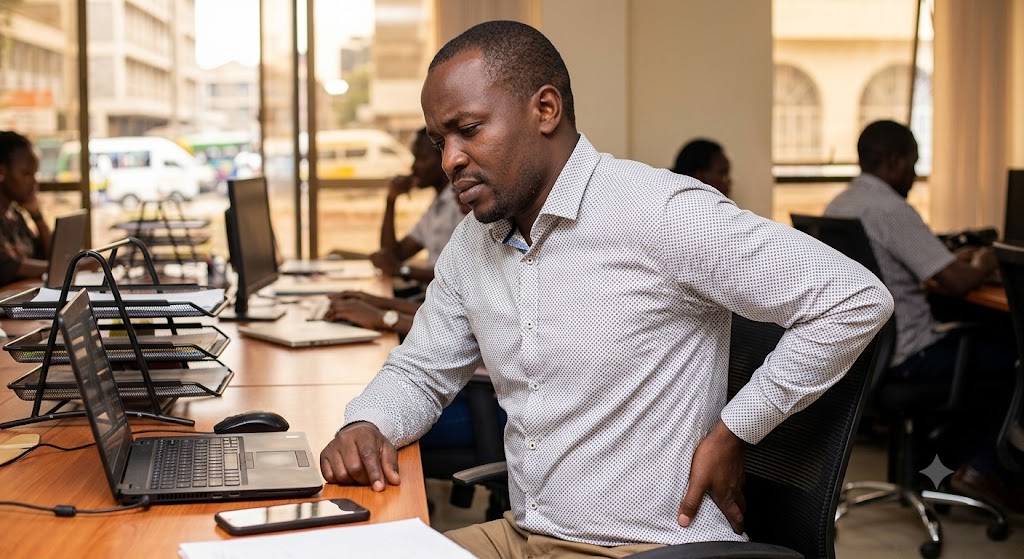
By Katemarthason Okudo, September 14, 2026Back pain can sometimes feel like more than a problem in the lower back. For some people, the pain travels through the buttocks and down one leg, sometimes reaching the thigh, calf, or foot.
This type of pain is often linked to irritation or pressure on nerves in the lower part of the spine. One of the most common conditions associated with this pattern is sciatica, which can cause pain along the path of the sciatic nerve.
How the pain travels
The lower back contains several nerves that connect the spine to different parts of the body. The sciatic nerve is formed by nerve roots in the lower spine and runs through the buttocks and down each leg.
When one of these nerve roots becomes irritated or compressed, the pain may not remain where the problem started. Instead, it can travel along the nerve into the leg.
According to the Mayo Clinic, sciatica commonly occurs when a herniated disc or a bone growth puts pressure on a nerve root in the lower spine. The irritation can cause inflammation, leading to pain, numbness, or other sensations along the affected nerve.
This is why someone may feel pain in the lower back but also experience a sharp or burning sensation in the buttock or leg. In some cases, the pain can feel like an electric shock.
What it can feel like
Pain that spreads down the leg can vary from person to person. It may be a dull ache, a sharp pain or a burning sensation. Some people also experience tingling or numbness in the leg or foot.
The pain usually affects one side of the body and may become worse after sitting for a long time. Coughing, sneezing or certain movements can also make it more noticeable.
Sciatica happens when the sciatic nerve is irritated or compressed and commonly causes pain in the buttock and the back of one leg. It may also cause pins and needles, numbness, or weakness.
What causes the pressure on the nerve?
A slipped or herniated disc is one of the common causes. The discs between the bones of the spine act as cushions, but one can bulge or rupture and press against a nearby nerve.

Other causes include narrowing of the spaces in the spine, a back injury, and changes in the spine that occur with age. Spending long periods sitting, repeatedly lifting heavy objects or putting strain on the back can also contribute to back problems.
However, not every case of back pain that spreads to the leg is sciatica. Other conditions affecting the muscles, joints or nerves can produce similar symptoms, which is why persistent or severe pain should be assessed by a healthcare professional.
When back pain needs attention
Most cases of sciatica improve with time and do not require surgery. Staying gently active, avoiding prolonged periods of sitting or lying down and following appropriate exercises can help with recovery.
However, medical attention is important if the pain is severe, keeps getting worse or does not improve. Numbness or weakness in the leg should also not be ignored.
Sudden loss of bladder or bowel control, numbness around the genitals or severe weakness in both legs requires urgent medical attention because it can indicate a serious problem affecting the nerves in the lower spine.