Advertisement
WHO: Key points to note about endometriosis
24th June, 2026 02:46 PM
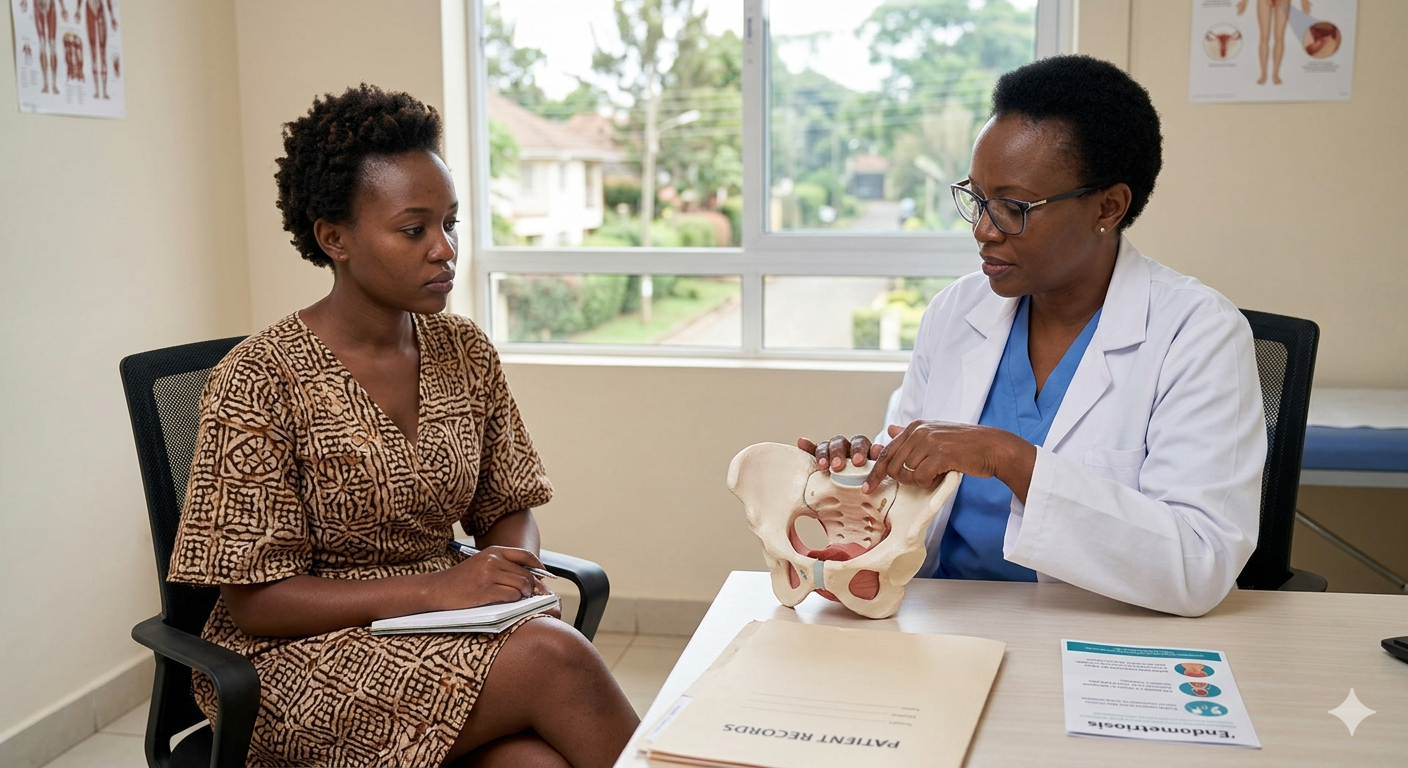
The World Health Organisation has explained how endometriosis is a complex disease that affects many women globally from the onset of their first period through menopause, regardless of ethnic origin or social status.
Following statistics by the WHO, endometriosis affects an estimated 10% (190 million) of reproductive-age women worldwide.
“Endometriosis is a chronic disease and symptoms include: severe pain during menstruation; heavy menstrual bleeding; chronic pelvic pain (pain that does not go away when the menstrual cycle ends); infertility; and abdominal bloating and nausea,” WHO stated.
According to WHO, endometriosis can also affect transgender men and non-binary individuals who menstruate.
In women with endometriosis, endometrium-like tissue (usually found only in the lining of the uterus) grows outside the uterus, causing inflammation and scar tissue formation.
There is currently no known cure, but endometriosis symptoms can be treated with medicines or, in some women, surgery.
Endometriosis is diagnosed using imaging techniques such as ultrasound.
Invasive procedures like surgery may also be necessary to confirm the diagnosis. Long delays in diagnosis are common, and symptoms often persist or recur after treatment is initiated.
Diagnosis
Symptoms in individuals with endometriosis are variable and broad, meaning that health and care workers may not easily diagnose it. Individuals with symptoms may not be aware of the condition while there are those with endometriosis who are asymptomatic.
Access to early diagnosis and effective treatment of endometriosis is limited in many settings, including in low- and middle-income countries. Currently, the average time to diagnosis is between four and 12 years.
A careful menstrual health history including pain, heaviness of bleeding, and associated symptoms can help with diagnosis of endometriosis.
Laparoscopic surgery, when the endometrial tissue may be directly visualized or tissue samples removed during surgery can be examined can be recommended, but is a procedure which is inaccessible to many women.
A clinical diagnosis of endometriosis may also be made on the basis of women’s symptoms and imaging tests such as ultrasound or MRI, and surgery is not necessarily required before initiating treatment.
New and emerging diagnostic tests aimed at identifying endometriosis earlier include simple symptom checklists, blood tests, and increasingly self-tests using saliva or menstrual blood.