Advertisement
What your resting heart rate says about your cardiovascular health
22nd June, 2026 08:17 PM
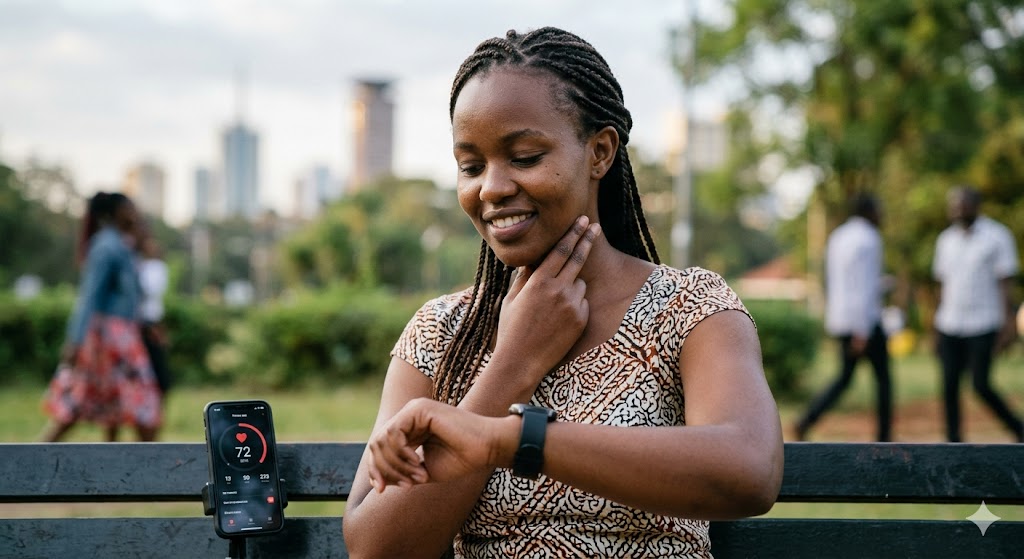
Many people track their steps or sleep on smartwatches and phones, but there is one number we often ignore: our resting heart rate.
This is the number of times your heart beats per minute when you are completely relaxed. Instead of spending money at a clinic for random heart checks, knowing your everyday baseline can tell you exactly how fit, stressed, or dehydrated you are.
Decoding the baseline numbers
A normal resting heart rate for a healthy adult sits anywhere between 60 and 100 beats per minute. If your number stays consistently above 100, which doctors call tachycardia, your heart is working too hard.
This often happens when you are dealing with daily stress, lack of sleep, or dehydration.
Ignoring a high rate can be dangerous. A study published in the Canadian Medical Association Journal proved that a “higher resting heart rate was independently associated with increased risks of all-cause and cardiovascular mortality.”
Put simply, a racing heart is a clear warning sign that should not be ignored.
If your rate falls below 60, it is called bradycardia. If you hit the gym regularly or play football every weekend, a low heart rate is actually great news. It means regular exercise has made your heart muscle stronger, allowing it to pump more blood with each beat.
However, if you rarely exercise and your heart rate is unusually low, especially if you feel dizzy or tired, you should get checked out by a clinician.
How to get a real reading
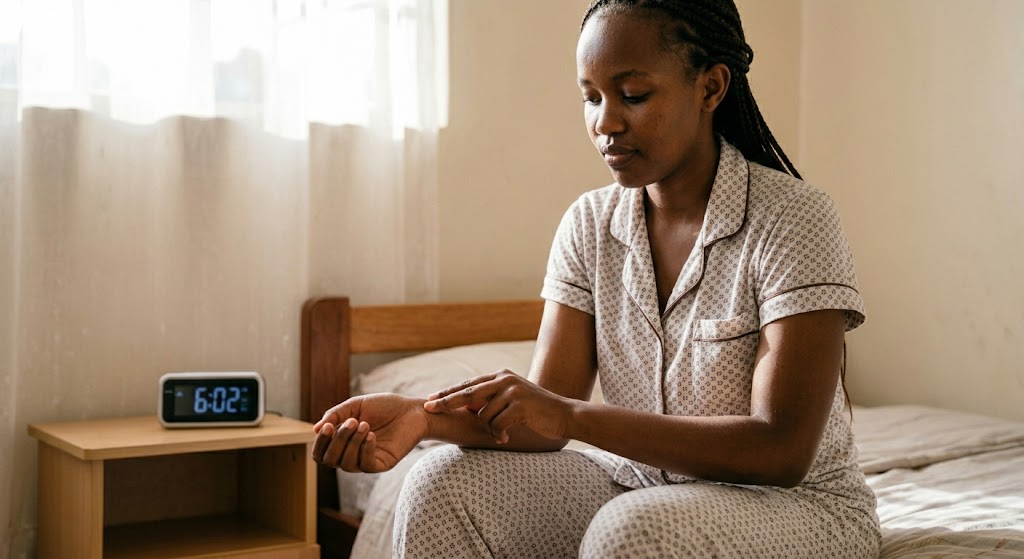
To get an accurate number, timing is everything. The best moment is right when you wake up, before you even step out of bed. Drinking morning tea, worrying about the daily commute, or scrolling through your phone will immediately throw off the results.
You can measure it easily using a smartphone app that tracks blood flow through your fingertip, or by checking a smartwatch. If you do not have these gadgets, the manual way is just as good. Place two fingers on your wrist, count the beats for 30 seconds, and multiply that number by two.
Tracking this baseline over a few days gives you a clear window into your health without spending a single shilling.