Advertisement
Why a slightly uneven heart rate could be a good thing
07th May, 2026 01:37 PM

Micro-fluctuations in the time between heartbeats are proving a helpful indicator of mental health, stress levels, exercise capacity, and even how well you are ageing.
Artem Kirillov, 40, from London, once believed pushing through fatigue at the gym was the best way to improve fitness.
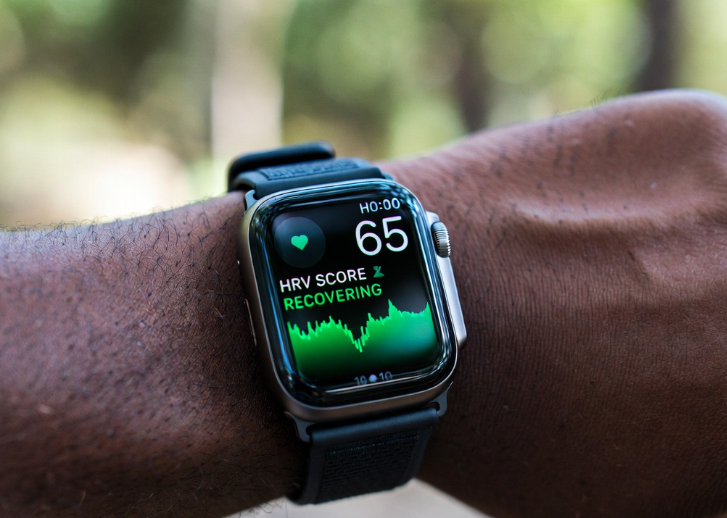
That changed when he began tracking heart rate variability (HRV) on his smartwatch, a metric that measures tiny changes between heartbeats, often in milliseconds.
Unlike heart rate, HRV reflects how the body shifts between stress and rest modes. Higher variability is generally linked to better cardiovascular health and resilience, while lower levels may signal stress, fatigue, or poor recovery.
Now Kirillov uses HRV to decide whether to train or rest. “I feel like I’m in better balance with myself,” he says.
What HRV Means
Heart rate variability measures how flexible the nervous system is. When the body is under stress or exercising, heartbeats become more uniform. When relaxed, the intervals naturally vary.
Experts say this flexibility shows how well the body adapts to changing demands. A higher HRV suggests strong recovery and resilience, while a lower score may indicate prolonged stress or a system stuck in “fight-or-flight” mode.
Modern life stress, from work pressure to lack of sleep, can keep the body in that stressed state longer than ideal.
Health and Mental Well-being
Research links lower HRV to anxiety, depression, PTSD, and other conditions where the nervous system remains overactive.
Studies suggest people with chronic stress often show reduced variability, meaning their bodies struggle to return to a relaxed state.
Some evidence shows HRV may improve when mental health symptoms are treated through therapy or other interventions, although results vary.
Beyond mental health, HRV is also being studied as a possible indicator of ageing and inflammation, since long-term stress is known to affect overall health outcomes.
Can You Improve It?
Simple breathing exercises may help regulate HRV. Slow, controlled breathing encourages the heart to naturally synchronise with inhaling and exhaling, helping the nervous system calm down.
Experts also highlight sleep, regular exercise, and stress management as key ways to improve HRV over time.

Wearable devices can measure HRV, but specialists say it is most useful when tracked over time rather than as a single reading. Patterns matter more than daily fluctuations.
However, doctors caution that HRV should not replace basic health indicators like blood pressure, heart rate, cholesterol, and weight.
In the end, HRV is a useful tool but not a standalone measure of health.