Advertisement
The do’s and don’ts of exercising during pregnancy
02nd July, 2026 06:34 PM
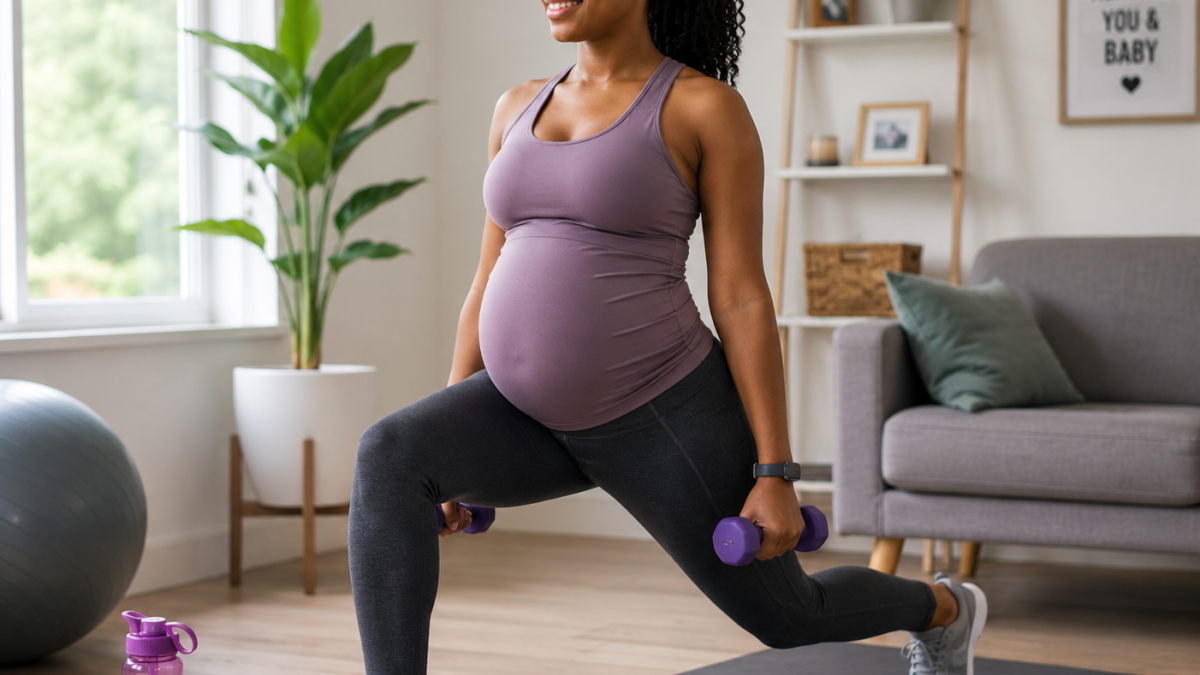
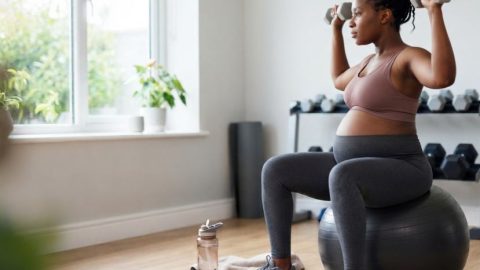
Regular exercise during pregnancy can benefit both mother and baby. Staying active helps improve physical fitness, boosts mood, reduces pregnancy discomforts and prepares the body for labour and recovery after birth.
However, not all forms of exercise are suitable during pregnancy, and it is important to know how to exercise safely.
According to the National Health Service (NHS), the more active and fit you are during pregnancy, the easier it will be for you to adapt to your changing shape and weight gain. It will also help you to cope with labour.
NHS further explains that Pelvic floor exercises help strengthen the pelvic floor muscles, which are under great strain during pregnancy and childbirth.
The pelvic floor consists of layers of muscles that stretch like a supportive hammock from the pubic bone to the end of the backbone.
Exercise tips for pregnancy
Always warm up before exercising, and cool down afterwards
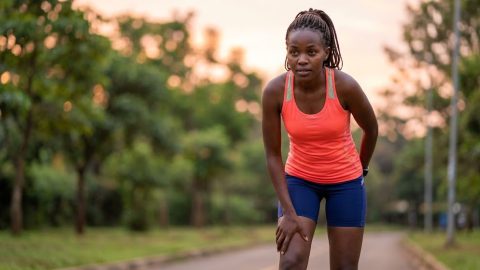
Try to keep active on a daily basis – 30 minutes of walking each day can be enough, but if you cannot manage that, any amount is better than nothing
Avoid any strenuous exercise in hot weather
Drink plenty of water and other fluids
If you go to exercise classes, make sure your teacher is properly qualified and knows that you’re pregnant, as well as how many weeks pregnant you are
You might like to try swimming because the water will support your increased weight. Some local swimming pools provide aqua-natal classes with qualified instructors.
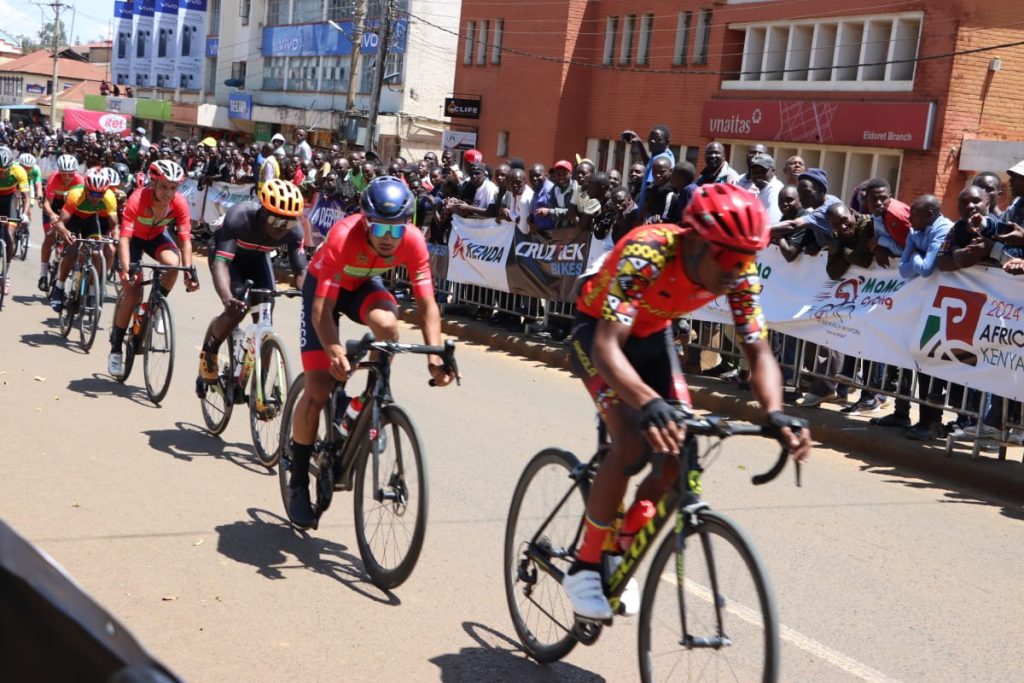
Exercises that have a risk of falling, such as horse riding, downhill skiing, ice hockey, gymnastics and cycling, should only be done with caution. Falls carry a risk of damage to your baby
Exercises to avoid in pregnancy
Do not lie flat on your back for long periods, particularly after 16 weeks, because the weight of your bump presses on the main blood vessel bringing blood back to your heart and this can make you feel faint
Do not take part in contact sports where there’s a risk of being hit, such as kickboxing, judo or squash
Do not go scuba diving, because the baby has no protection against decompression sickness and gas embolism (gas bubbles in the bloodstream)
Do not exercise at heights over 2,500m above sea level this is because you and your baby are at risk of altitude sickness