Advertisement
The difference between being fit and being healthy
18th September, 2026 10:54 AM
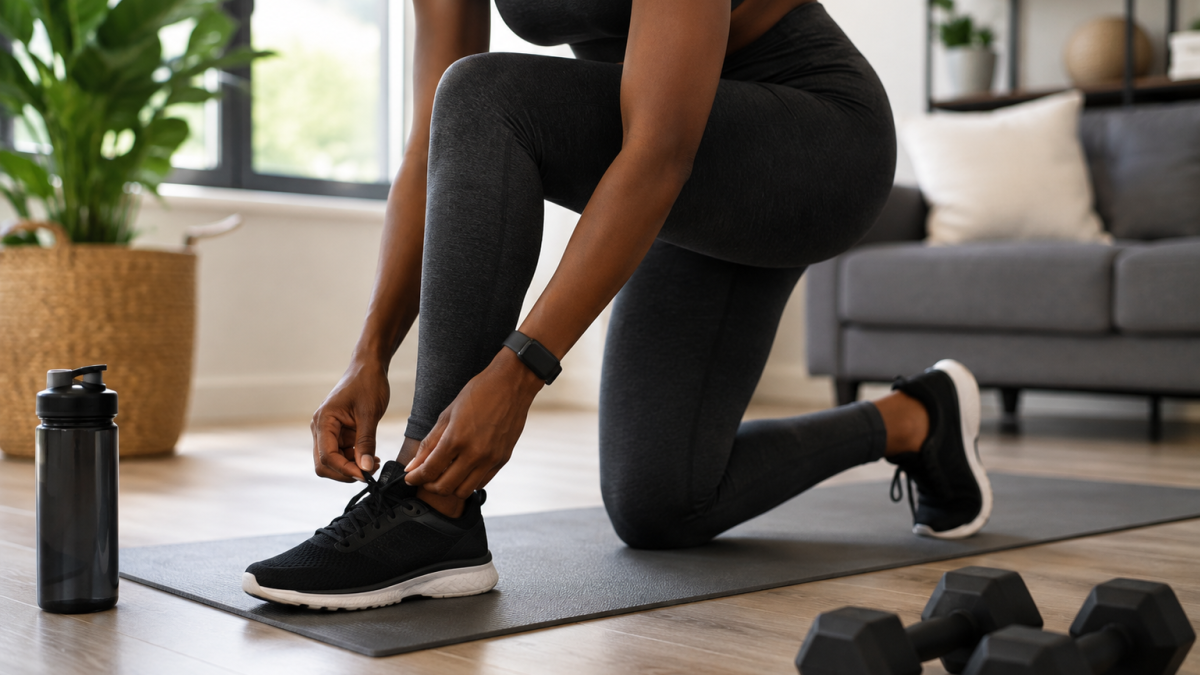
Being able to run for several kilometres, lift heavy weights, or complete a tough workout can be a sign of good physical fitness. But fitness and health are not the same thing.
A person can be physically fit but still have unhealthy habits in other parts of their life. At the same time, someone who does not spend hours in the gym can still make healthy choices that support their overall well-being.
What does it mean to be fit?
Physical fitness generally refers to how well the body can perform physical activities. It can include endurance, strength, flexibility, balance, and the ability of the heart and lungs to supply the body with oxygen during activity.
For example, someone who regularly runs may be able to cover a long distance without becoming exhausted. Someone who does strength training may be able to lift or carry heavier objects with greater ease.
Fitness can also come from everyday activities. According to the World Health Organization (WHO), physical activity includes more than organised exercise or sport. Walking, cycling, household chores, dancing and physical work all count as physical activity.
This means a person does not necessarily have to belong to a gym to improve their fitness.
What does it mean to be healthy?
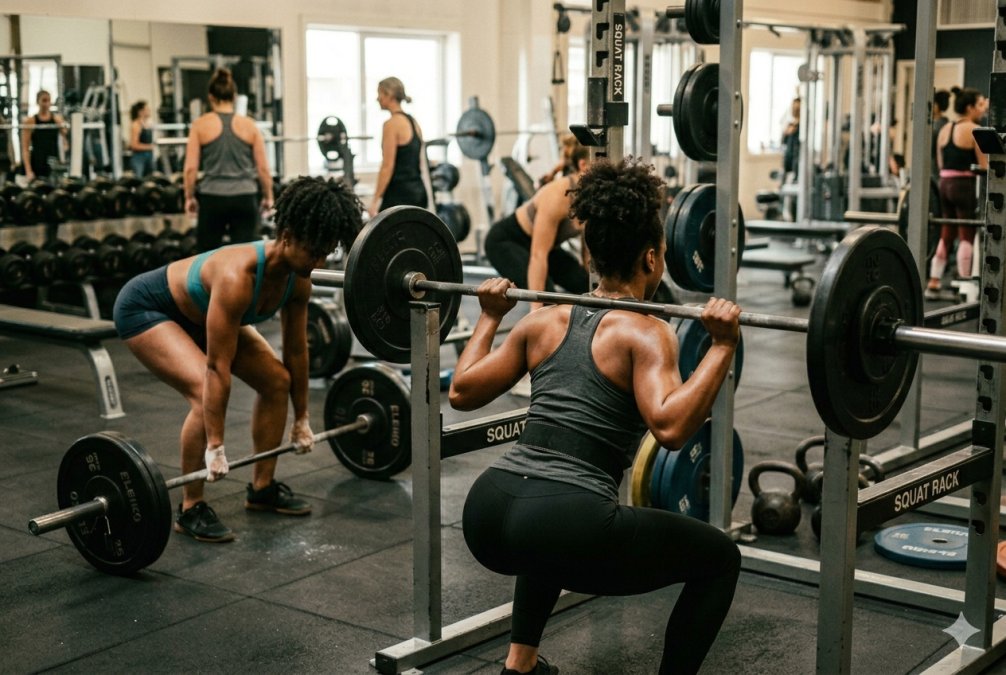
Health is broader than physical fitness. It involves how the body and mind are functioning and includes factors such as nutrition, mental wellbeing, sleep, and the prevention or management of illness.
A person may exercise regularly but have a poor diet, sleep very little, or experience ongoing stress. These factors can still affect their overall health even if they appear physically strong.
A healthy diet should be based on adequacy, balance, moderation and variety, while regular physical activity can help reduce the risk of several chronic diseases and support mental wellbeing. Health is therefore not something that can always be judged by body shape, muscle size or how much weight a person can lift.
You can be fit without having perfect health
Fitness can improve several aspects of health, but being physically capable does not make someone immune to health problems.
For instance, a person may have good cardiovascular endurance from regular running but still struggle with poor sleep or an unbalanced diet. Another person may have strong muscles but spend most of the day sitting and rarely move outside their workouts.
This is why health professionals generally look at a wider picture rather than relying on fitness alone. The same applies to body weight. Weight can be influenced by many factors and does not provide a complete picture of a person’s health or fitness.

Why both matter
Fitness and health are closely connected. Regular movement helps strengthen muscles and bones, supports heart health, and can improve sleep and mental wellbeing.
Regular physical activity can help improve brain health, strengthen bones and muscles, improve sleep, and reduce the risk of conditions such as heart disease, stroke, and type 2 diabetes.
For adults, the WHO recommends at least 150 minutes of moderate-intensity physical activity each week, or at least 75 minutes of vigorous activity. Muscle-strengthening activities are also recommended on two or more days each week.
But these targets should not make exercise feel like an all-or-nothing task. Starting with regular walking, taking the stairs, dancing, cycling, or doing household activities can add more movement to the day.
Health is more than what happens at the gym
The biggest difference between being fit and being healthy is that fitness focuses more on the body’s ability to perform physical activity, while health covers a much wider range of physical and mental wellbeing.
Exercise is an important part of a healthy lifestyle, but it works alongside other habits such as eating a balanced diet, getting enough sleep, managing stress, and avoiding harmful substances.
Rather than focusing only on how the body looks or performs during a workout, paying attention to how the body feels and functions in everyday life can provide a more complete picture.