The biology behind snoring
By Katemarthason Okudo, July 10, 2026Snoring is often treated as a normal part of sleep, especially in homes where a loud sleeper may be teased for “shaking the walls” at night. However, while occasional snoring may be harmless, persistent and loud snoring can sometimes point to a more serious sleep condition known as obstructive sleep apnoea.
Why snoring happens
Snoring happens when air struggles to move smoothly through the upper airway during sleep. As the body relaxes, muscles around the throat, tongue and soft palate also loosen. In some people, these relaxed tissues narrow the airway, causing air to pass through with force.
That fast-moving air makes the soft tissues vibrate, producing the familiar snoring sound.
The throat is especially vulnerable during sleep because the brain reduces muscle activity. The tongue can fall backwards, while tissues at the back of the throat may partly collapse. This is more likely among people who are overweight, drink alcohol before bed, smoke, have nasal congestion, or sleep on their back.
According to the American Academy of Sleep Medicine, excess weight can increase pressure around the upper airway, making it easier for the throat to narrow during sleep. Alcohol can also worsen snoring because it relaxes throat muscles further, particularly when taken close to bedtime.
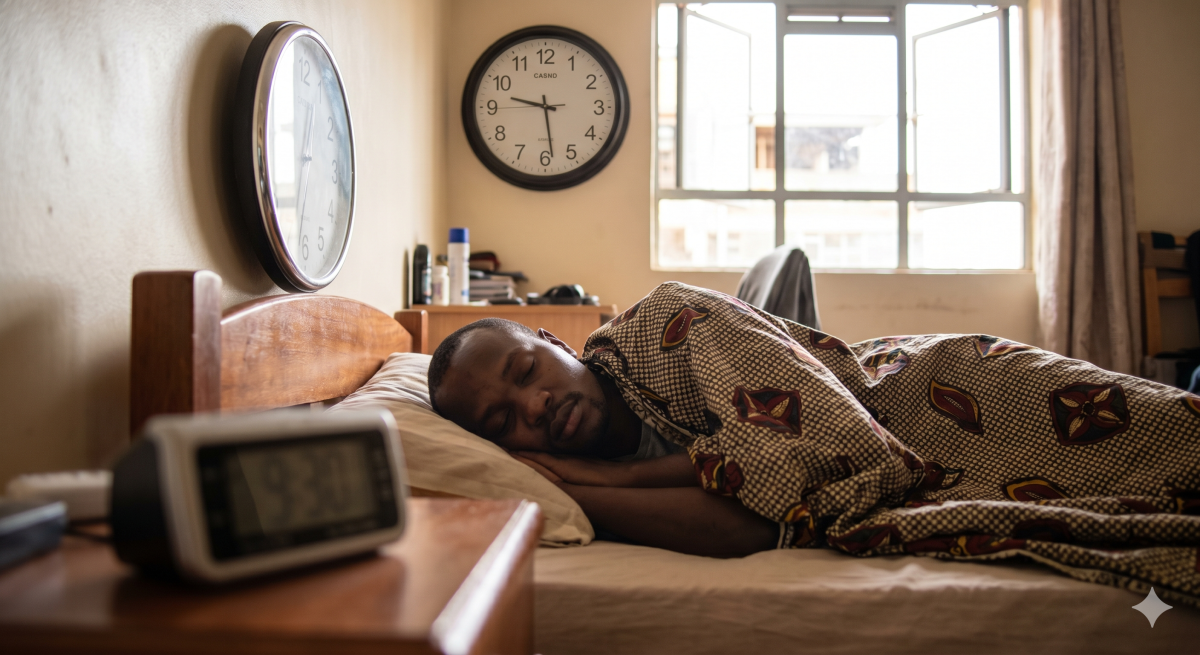
When snoring becomes sleep apnoea
For many people, snoring is simply caused by a partially narrowed airway. Air still moves in and out, although noisily. This is often referred to as primary or benign snoring.
However, the concern begins when the airway closes completely for short periods. This can lead to obstructive sleep apnoea, commonly known as OSA.
During an episode of sleep apnoea, breathing may stop repeatedly through the night because the airway becomes blocked. The brain senses the drop in oxygen and briefly wakes the body enough to reopen the airway. The person may gasp, choke or snort before falling asleep again, often without remembering it the following morning.
“Snoring with pauses in breathing, choking sounds or severe daytime tiredness should not be ignored,” the Mayo Clinic notes in its guidance on sleep apnoea.
The health effects of untreated OSA
These repeated interruptions can prevent the body from reaching deep, restorative sleep. A person may spend enough hours in bed but still wake up feeling exhausted, irritable or unable to concentrate.

The health experts has warned that poor sleep and untreated sleep disorders can affect overall health, including mental wellbeing and the risk of non-communicable diseases. Research also links untreated obstructive sleep apnoea with high blood pressure, heart disease, stroke, type 2 diabetes and memory problems.
Signs that need medical attention
In Kenya, snoring may be common in households, but it should not automatically be dismissed as a harmless habit. A partner or family member may notice warning signs first, including very loud snoring, pauses in breathing, restless sleep, morning headaches and excessive sleepiness during the day.
Children can also snore, although regular snoring in children should be assessed because enlarged tonsils or adenoids may be blocking the airway.
Treatment and assessment options
Doctors may recommend a sleep assessment, which monitors breathing, oxygen levels, heart rate and body movements during the night. Treatment can include weight management, reducing alcohol intake, sleeping on the side, treating nasal blockage, or using a continuous positive airway pressure machine, commonly called CPAP, for more severe cases.
Snoring may be a nightly nuisance, but when it comes with breathing pauses and daytime exhaustion, it can be the body’s way of asking for attention.