Rickets: A preventable child bone condition every parent should know about
By Katemarthason Okudo, June 10, 2026Rickets is a bone condition affecting children during growth, leading to soft and weakened bones. It is commonly associated with a deficiency of vitamin D, calcium, or phosphate, all of which are vital for healthy bone formation.
The condition is more likely to occur in children who have limited exposure to sunlight or poor nutritional intake.
Although preventable, rickets can lead to long-term bone deformities if not treated early. It remains a public health concern in some regions. It affects bone development in children whose bones are still growing. It results in poor mineralisation, making bones soft, weak, and more prone to bending or breaking.
It is often referred to as the childhood form of osteomalacia. According to the NHS, it is mainly caused by prolonged vitamin D deficiency, which affects how the body absorbs calcium and phosphate.
What causes rickets?
Rickets is mainly caused by insufficient vitamin D, which the body produces when the skin is exposed to sunlight. A diet lacking vitamin D, calcium, or phosphate can also contribute to the condition.
Limited sun exposure, darker skin pigmentation, which reduces vitamin D synthesis, and certain medical conditions that affect nutrient absorption, such as kidney or liver disorders, are also contributing factors. In rare cases, rickets may be inherited through genetic conditions.
The World Health Organization notes that nutrition-related rickets is largely preventable through an adequate diet and regular, safe exposure to sunlight.

Signs and symptoms of rickets
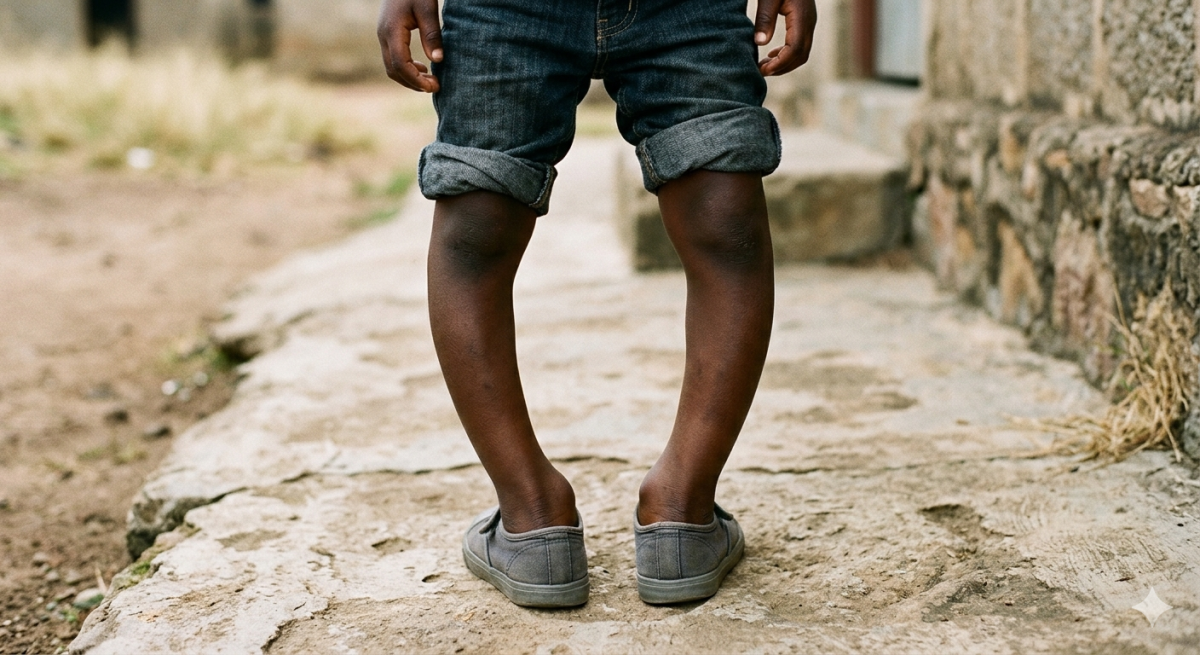
The signs and symptoms of rickets often develop gradually and may become more noticeable during periods of rapid growth. Common signs include bowed legs, delayed growth, bone pain, and muscle weakness. Children may also experience delayed tooth formation or soft areas in the skull. In more severe cases, bones may become fragile, leading to frequent fractures.
According to the Centres for Disease Control and Prevention (CDC), symptoms can vary in severity but are often linked to prolonged vitamin D deficiency affecting normal bone development.
Treatment and prevention
Treatment of rickets focuses on correcting the underlying deficiency. This usually involves vitamin D supplements, improving dietary intake of calcium and vitamin D-rich foods, and ensuring safe exposure to sunlight. In cases where the condition is severe, medical supervision may be required to manage bone deformities or treat underlying health issues.
Prevention remains the most effective approach. A balanced diet, regular outdoor activity, and awareness of risk factors significantly reduce the chances of developing the condition. Early intervention often leads to full recovery and normal bone development when treated promptly
Rickets is a preventable but serious childhood condition that affects bone strength and growth. With proper nutrition, adequate sunlight exposure, and early medical attention, it can be avoided or successfully treated. Awareness remains key in reducing its impact and ensuring healthier development in children.