PCOS vs Endometriosis: Differences and symptoms to watch
By Dan Kauna, September 3, 2026For many Kenyan women, reproductive health struggles often come with silent frustration. Severe period cramps, unpredictable cycles, weight changes, and unexpected difficulty in getting pregnant can leave many guessing.
Two of the most common conditions behind these struggles are Polyendocrine Metabolic Ovarian Syndrome, recently updated from PCOS, and Endometriosis.
While both conditions can make conceiving difficult, they are fundamentally different in how they affect the body.
PMOS is primarily a hormonal and metabolic disorder. In contrast, Endometriosis is a physical tissue condition.
A 2025 review notes that “Endometriosis, caused by the presence of endometrial-like tissue outside the uterus, leads to chronic pain and infertility through inflammation, adhesions, and impaired ovarian function.”
The tissue acts just like the uterine lining, thickening and bleeding every month, but because it has no way to exit the body, it causes severe pelvic pain and scarring.
How PMOS and Endometriosis differ
The main difference lies in hormone behaviour and physical symptoms.
PMOS causes the body to produce excess male hormones, known as androgens, often combined with insulin resistance. This hormonal mismatch disrupts ovulation, leading to missed or irregular periods, unwanted facial hair, stubborn acne, and weight gain.
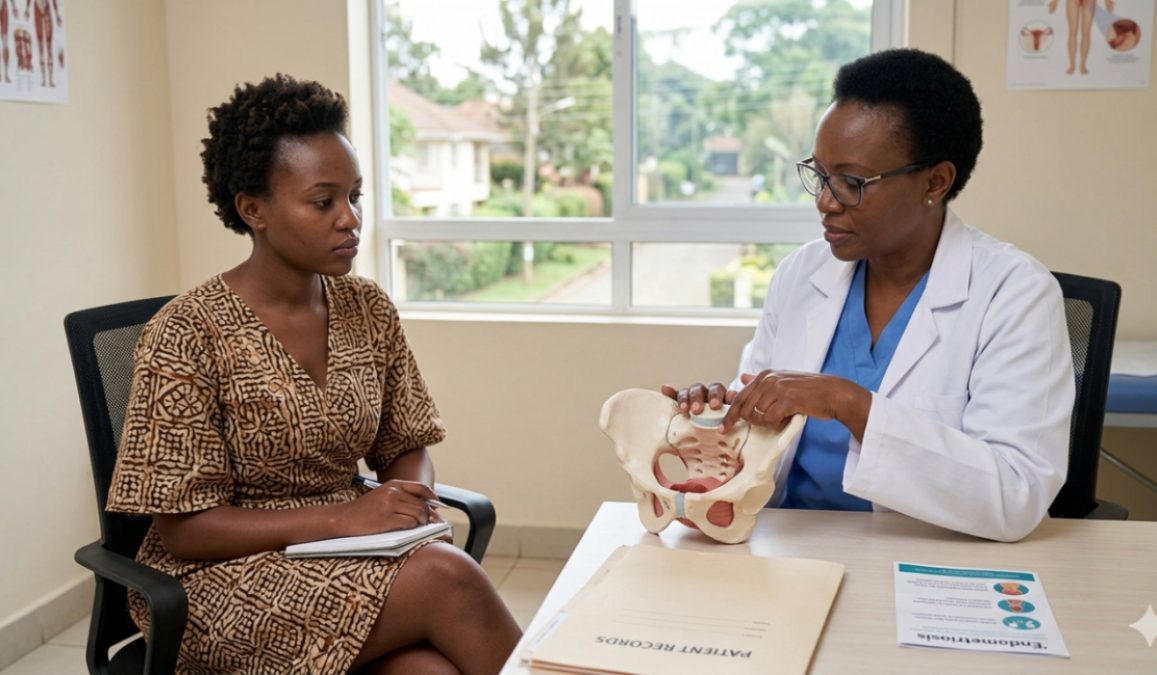
Endometriosis, on the other hand, usually features regular menstrual cycles, but they are accompanied by intense, debilitating pain. Women with Endometriosis frequently experience sharp pelvic pain during their periods, painful intercourse, and discomfort during bowel movements.
While PMOS alters how your metabolic system regulates sugar and hormones, Endometriosis creates localised physical damage and chronic inflammation around reproductive organs.
Signs to watch, when to seek help
Recognising early warning signs can save years of painful uncertainty. You should track your monthly cycle and note any persistent abnormalities.
Look out for cycles lasting longer than 35 days, sudden hair growth on the chin or chest, and unexplained weight changes, which point towards PMOS.
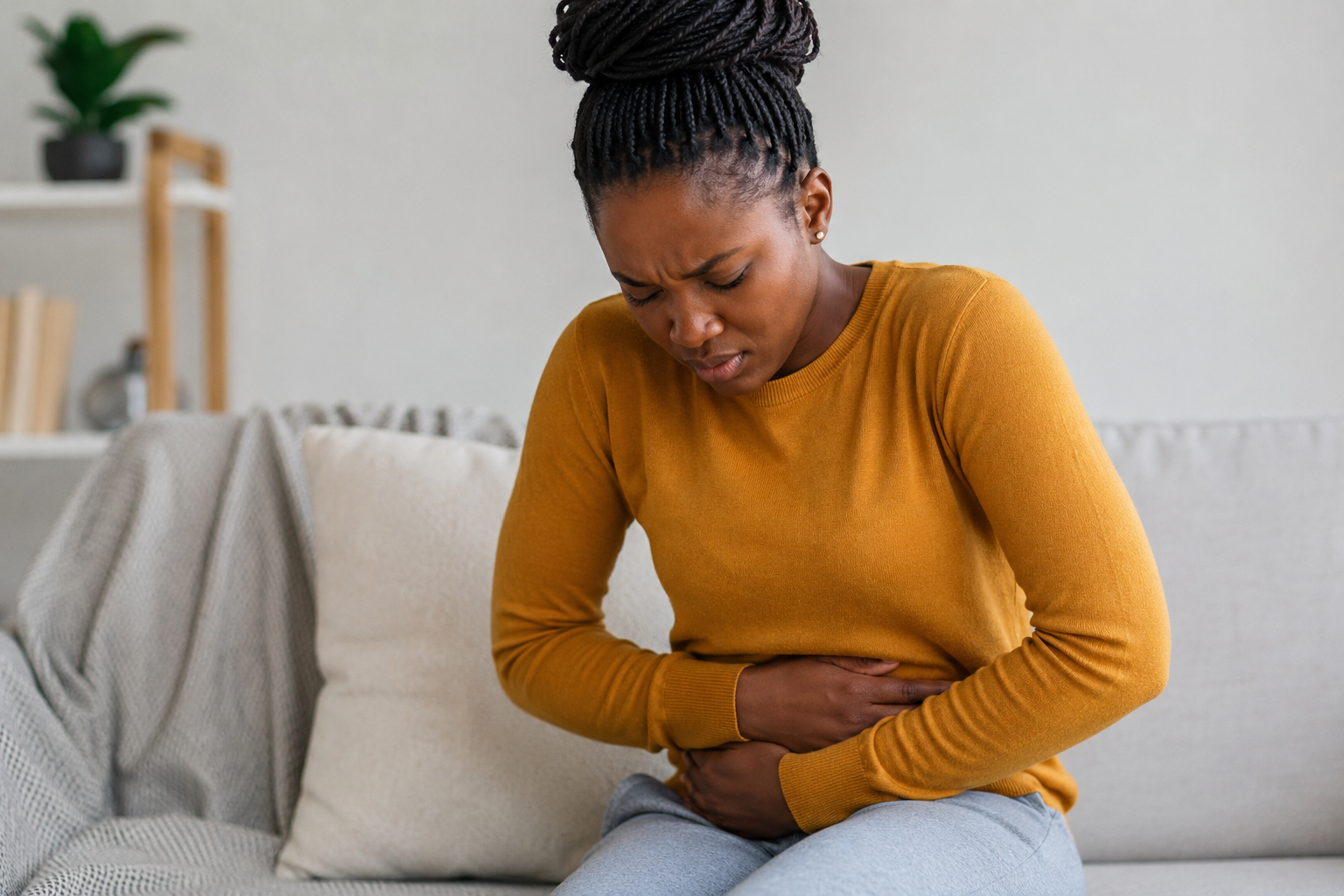
Conversely, if your periods arrive on time but leave you bedridden with sharp pelvic pain, or if pain extends to your lower back, Endometriosis may be the culprit.
Neither condition is a personal failure, nor are they something you must suffer through in silence. A gynaecologist can run blood tests to check hormone levels for PMOS or schedule an ultrasound to inspect for internal scarring.
Early medical evaluation ensures proper management, protects long-term fertility, and restores your daily quality of life.