Advertisement
Methanol vs ethanol: the one-letter difference that turns your drink into poison
29th August, 2026 01:42 PM
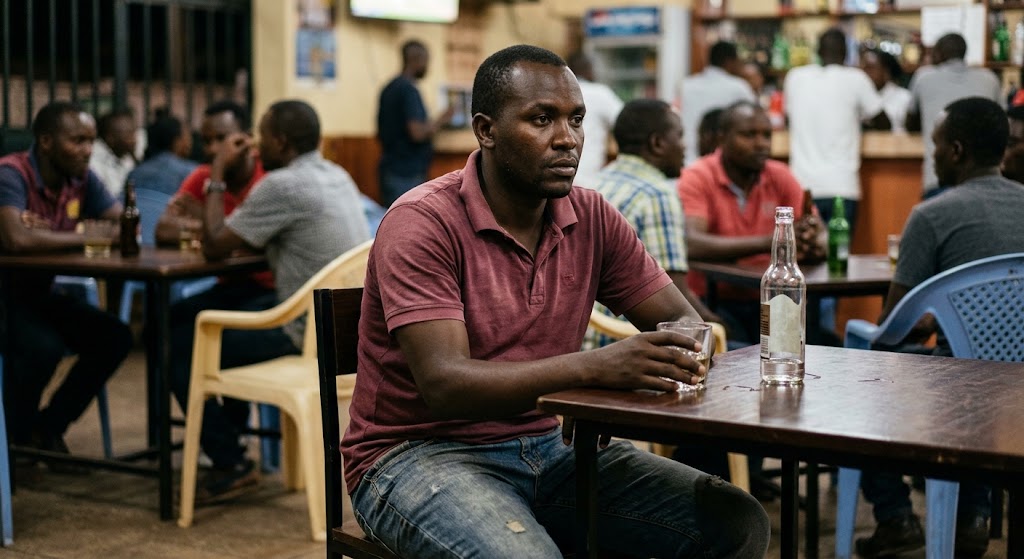
One letter separates the alcohol in your drink from a poison that can blind you. Ethanol is the alcohol in beer, wine and spirits. Methanol is an industrial chemical used in antifreeze, paint thinner and fuel.
Swap one for the other, even in small amounts, and a night out can end in hospital, or worse.
In back-alley setups and illegal bottling dens, counterfeit and illicit alcohol makers use methanol as a cheap trick to make drinks feel stronger while cutting costs.
You won’t smell or taste it in your glass, which is what makes it so dangerous. It hides completely unseen, meaning a single glass of counterfeit liquor can cause blindness or prove fatal within two days.
How one letter turns deadly
Methanol looks, smells and tastes almost exactly like ethanol. The danger starts once it reaches the liver, which breaks it down into formaldehyde, then formic acid, a compound the body struggles to clear.
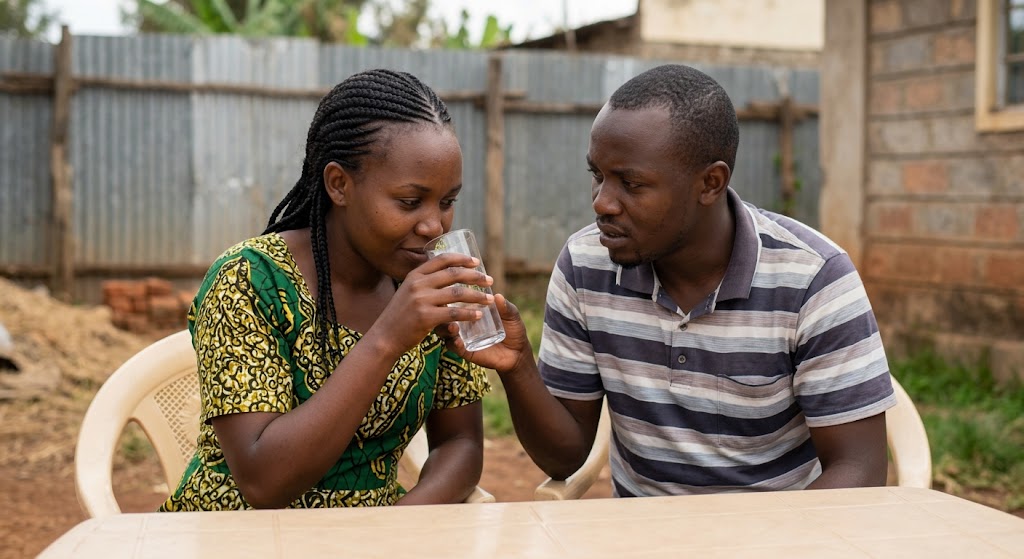
Formic acid builds up in the blood, damages the optic nerve and pushes the body into a dangerous acidic state.
Research on treating methanol poisoning notes that ocular effects of methanol poisoning can include blurred vision, decreased visual acuity and blindness.
Left untreated, formic acid can also shut down the kidneys.
Why the wait makes it worse
Ethanol causes drunkenness within minutes. Methanol does not. Symptoms typically appear after 12 to 24 hours, or longer if ethanol was also consumed.
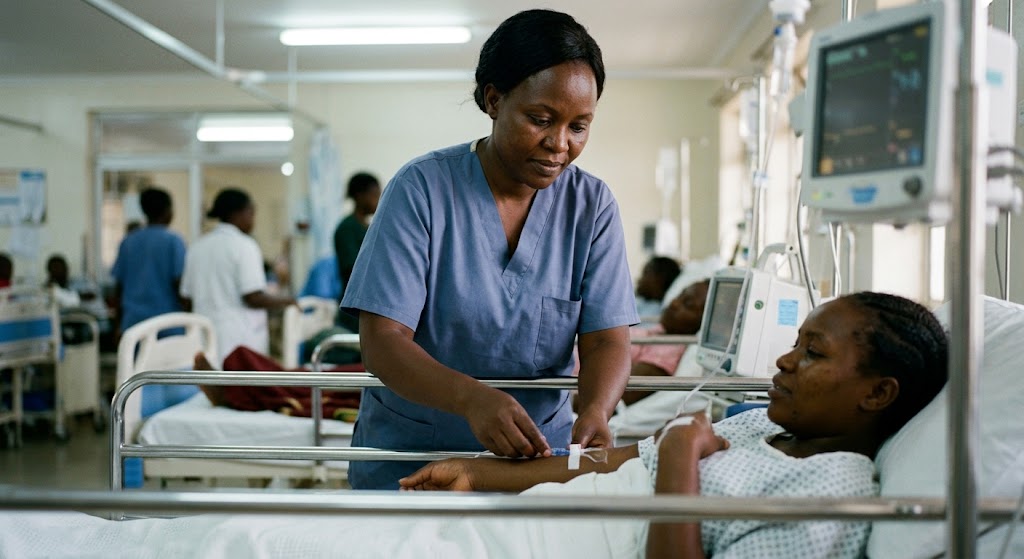
By the time a headache, blurred vision or stomach pain sets in, the damage may already be underway. Doctors call this the latency period, and it is what makes methanol poisoning so hard to catch in time.
There is no way to taste or smell the difference between the two. The only real protection is knowing where a drink comes from.
Buy sealed bottles from licensed outlets, be wary of spirits priced too low to be genuine, and treat homemade or informally sold alcohol with caution.
If nausea, confusion or blurred vision follow a night out, get to a hospital immediately. Early treatment can still prevent permanent blindness or death.