How to do your very first pull-up, step by step
By Dan Kauna, September 19, 2026Walking past a pull-up bar at a gym or local park can feel intimidating when you cannot manage a single repetition. Lifting your entire body weight off the ground requires upper-body power.
Yet, nobody starts pulling themselves over the bar without preparation.
Building foundation with dead hangs and inverted rows
The journey starts with developing a solid grip and activating the muscles in your back and shoulders. Dead hangs are the best entry point.
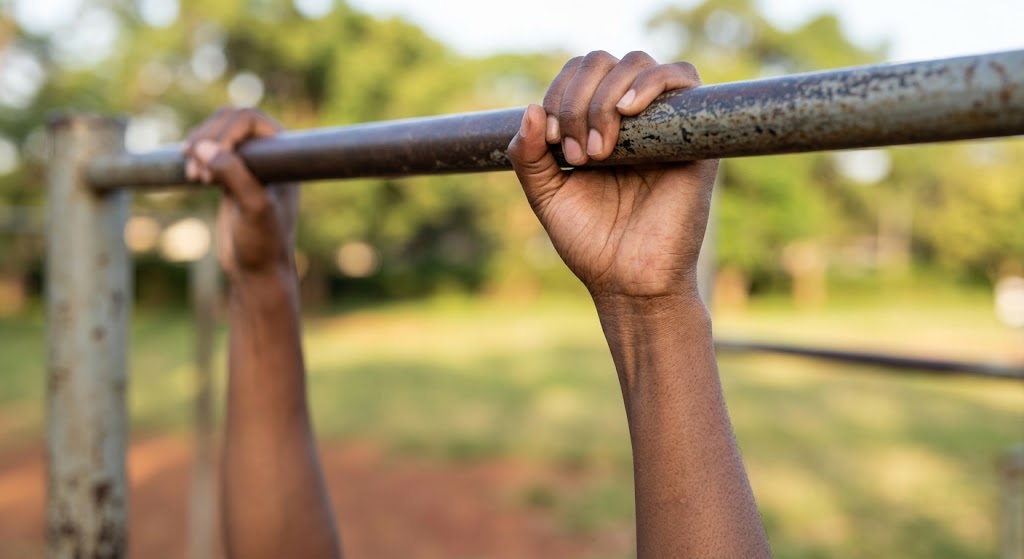
Grab an overhead bar with an overhand grip, step off the footrest, and hang with your arms extended for 20 to 30 seconds. This simple movement conditions your forearms, strengthens your grip, and prepares your shoulders to support your weight safely.
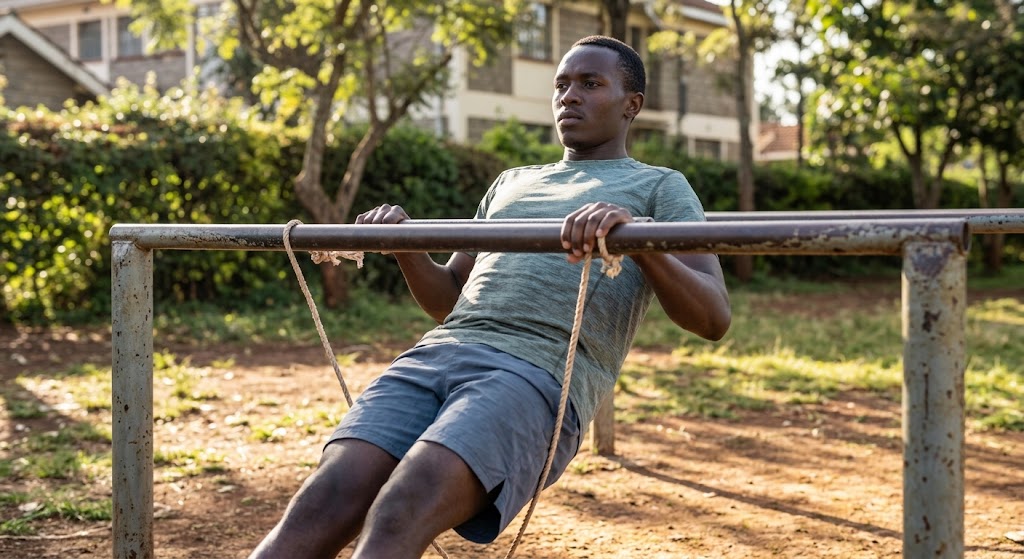
Once hanging feels comfortable, transition to inverted rows using a low bar or suspension trainer. Position yourself under the bar with your feet resting on the floor, lean back, and pull your chest toward the bar while keeping your body straight.
Inverted rows train the pulling motion while keeping a portion of your weight on the ground. Adjusting your body angle makes the exercise easier or harder as your back grows stronger.
Master negative reps to reach your first pull-up
When you can complete three sets of ten inverted rows, move to negative pull-ups. Step onto a box or jump so your chin sits over the bar, then lower your body as slowly as possible over three to five seconds.
Research published in the Journal of Strength and Conditioning Research notes that “the latissimus dorsi and biceps brachii are the primary movers, bearing the dominant share of the load” during the movement.
Controlling the downward phase builds the necessary force in these primary muscles without requiring an immediate full upward pull.
Practise three to five negative repetitions twice a week, giving yourself a rest day between sessions for proper recovery. Within a few weeks, your back and arms will adapt to the full load.
Stand under the bar, grip it firmly, pull your shoulders down, and drive your elbows toward your ribs. Your body will rise, bringing your chin clear over the bar for your very first unassisted pull-up.