How mosquitoes find you – and why some get bitten more than others
By Dan Kauna, July 3, 2026Have you ever sat outside with friends in the evening, only to end up constantly slapping away mosquitoes while everyone else is completely fine? It is a common frustration, and science shows it is not just bad luck.
Mosquitoes are actually highly selective eaters, and some people are naturally wired to attract them more than others.
In Kenya, where malaria is a constant worry, understanding what draws these insects is an important part of protecting your health.
The scent trail they follow
Mosquitoes do not just fly around blindly hoping to bump into a human. They use a precise, step-by-step system to track down their next meal.
The hunt begins from up to 50 metres away, where they pick up the trail of carbon dioxide you breathe out. As they get closer, they look for visual signs and body heat to zero in on your position.
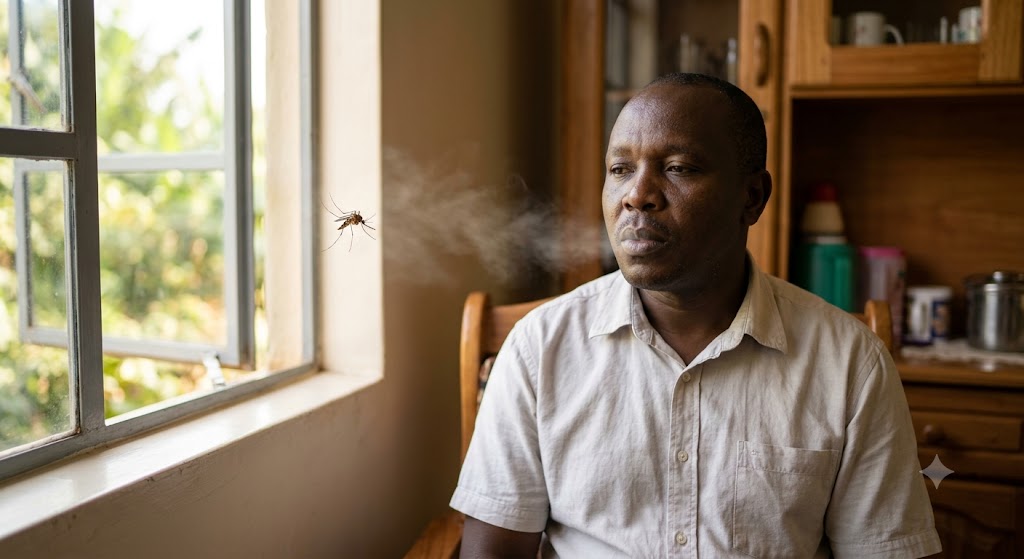
The final decision comes down to scent. Your skin produces a unique mix of gases that either invites them in or turns them away.
A 2015 peer-reviewed study published in the journal PLOS ONE notes that “female mosquitoes display preferences for certain individuals over others, which is determined by differences in volatile chemicals produced by the human body and detected by mosquitoes.”
These natural chemicals are created when regular bacteria on your skin break down your sweat.
Why your body is a magnet
If you find yourself covered in itchy bumps while others walk away untouched, your genetics and daily habits are usually responsible. For example, research shows that people with blood type O are much more attractive to malaria-carrying Anopheles mosquitoes than those with blood type A or B.
Your metabolism also matters a lot. When you walk under the hot sun, exercise, or do heavy manual work, your body temperature rises. This causes you to sweat and release more lactic acid. This combination acts like a direct invitation for these pests.
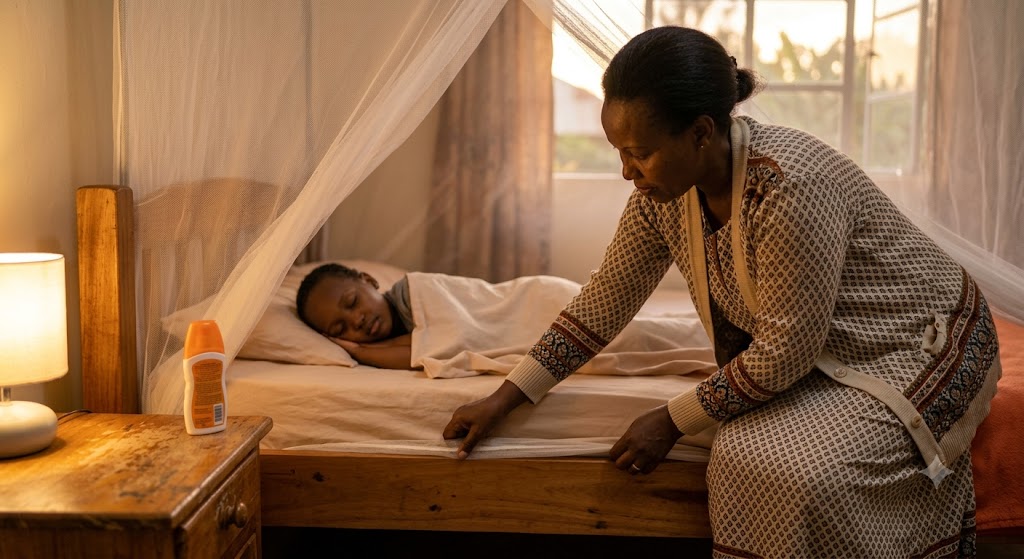
While buying a standard mosquito repellent at a local supermarket might cost you around Sh400, knowing how these insects track you gives you an advantage. It explains why simple actions, like wearing long sleeves during evening walks or using treated bed nets, are so essential for keeping your family safe from bites.