Advertisement
5 plants that keep mosquitoes out of your house
15th May, 2026 11:34 AM
If you live in Nairobi, the mosquito is basically a housemate you never invited.
But before you reach for the coil or the spray can, there is a quieter, greener option sitting at the nursery down the road: a handful of plants that are genuinely effective at deterring insects and handsome enough to earn their spot on a windowsill.
Here are five worth getting.
1. Lemongrass
Mchaichai (lemongrass) is already a staple in Kenyan kitchens, but it earns its place on this list for the citronellal and geraniol in its leaves – volatile compounds that mosquitoes find deeply unpleasant.
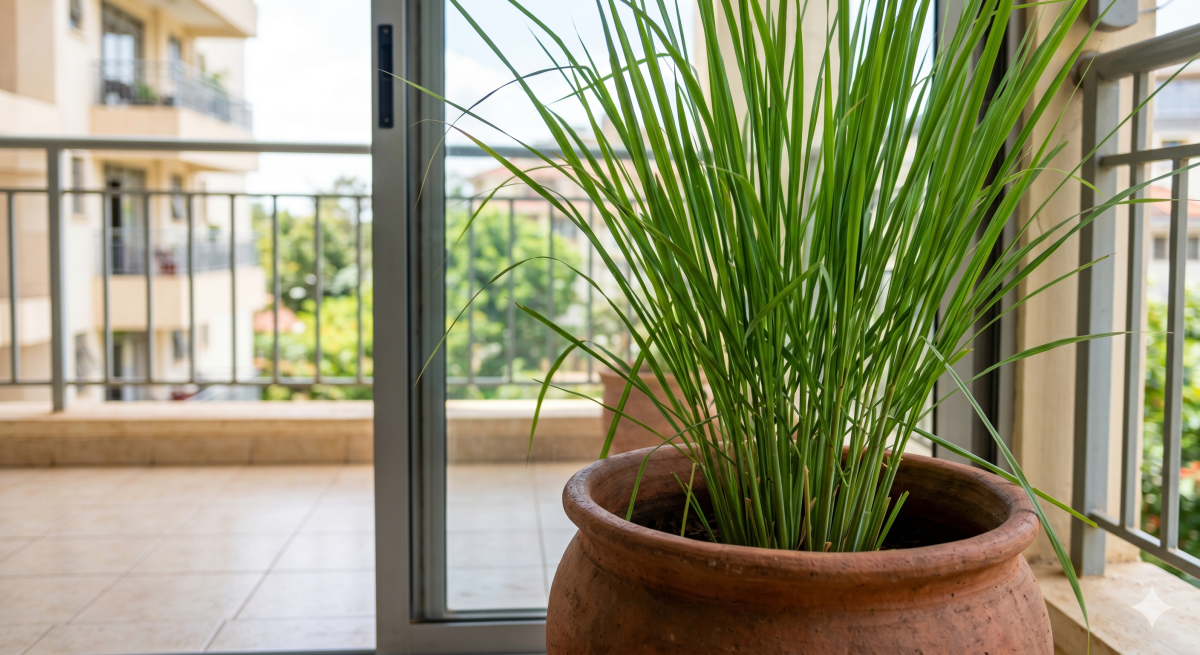
Grow it in a large pot near your balcony door or an open window, where a passing breeze will carry its fresh, citrusy scent into the room. It is one of the easiest plants to find at Nairobi nurseries and one of the hardiest to care for.
2. Citronella
Closely related to lemongrass, citronella (Cymbopogon nardus) is the plant behind virtually every anti-mosquito candle and spray on the market.
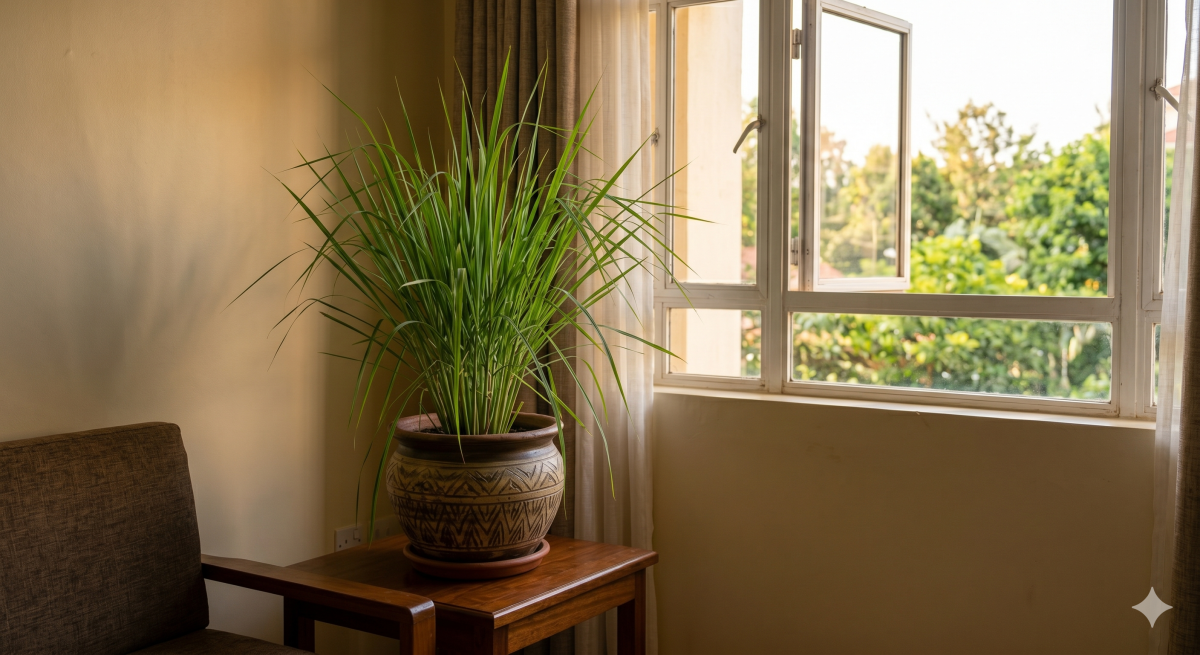
A 2025 review published on PubMed Central found that citronella “repels Aedes aegypti mosquitoes for between 12 and 480 minutes, depending on the concentration and formulation of the product” – strong evidence for a plant you can sit in a sunny corner of your sitting room.
Bruise a leaf occasionally to release the oils, and position the pot where air moves freely.
3. Lavender
The purple flowers that make lavender so pretty are exactly what makes mosquitoes avoid it.
The plant’s linalool content (a naturally occurring compound) is toxic to many insect larvae and repellent to adults.
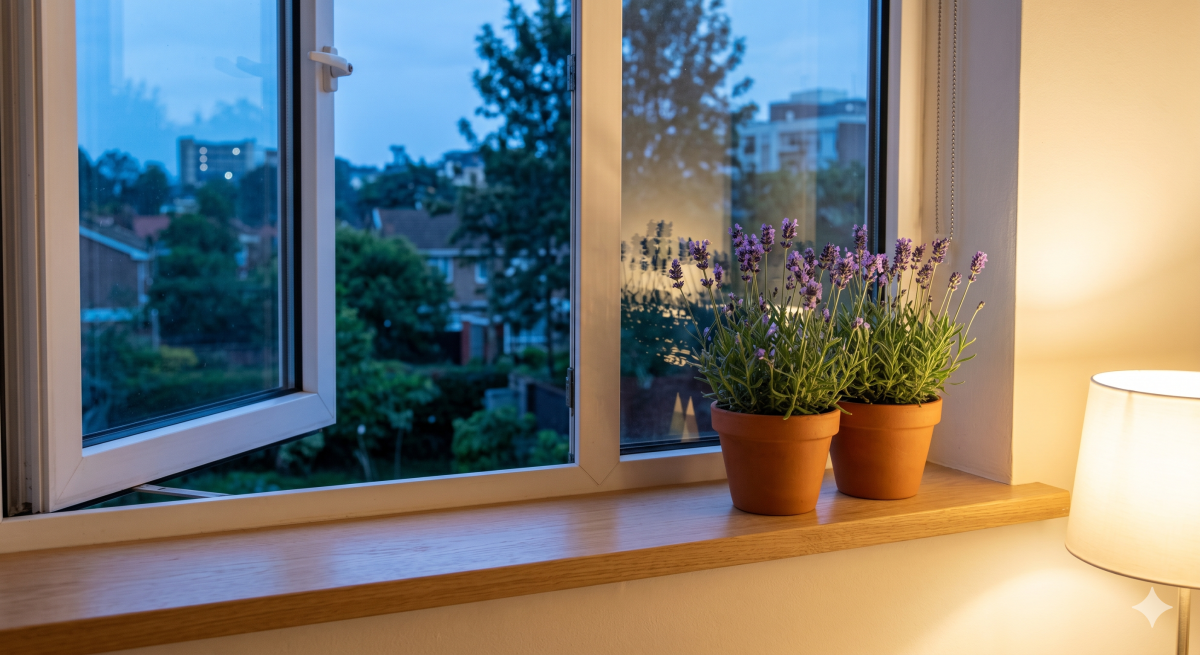
A peer-reviewed study on plant-based mosquito repellents found that essential oils from lavender and lemongrass showed “good repellency with 8 hours complete repellency against different species of Anopheles“, which, for anyone sharing a bedroom with a persistent mosquito, is a very compelling number.
Place a pot on the bedroom windowsill and let it do the night shift.
4. Basil
Every Kenyan kitchen can use a pot of fresh basil, and this one comes with a bonus: the plant produces eugenol and estragole, compounds that are repellent to adult mosquitoes and toxic to their larvae.
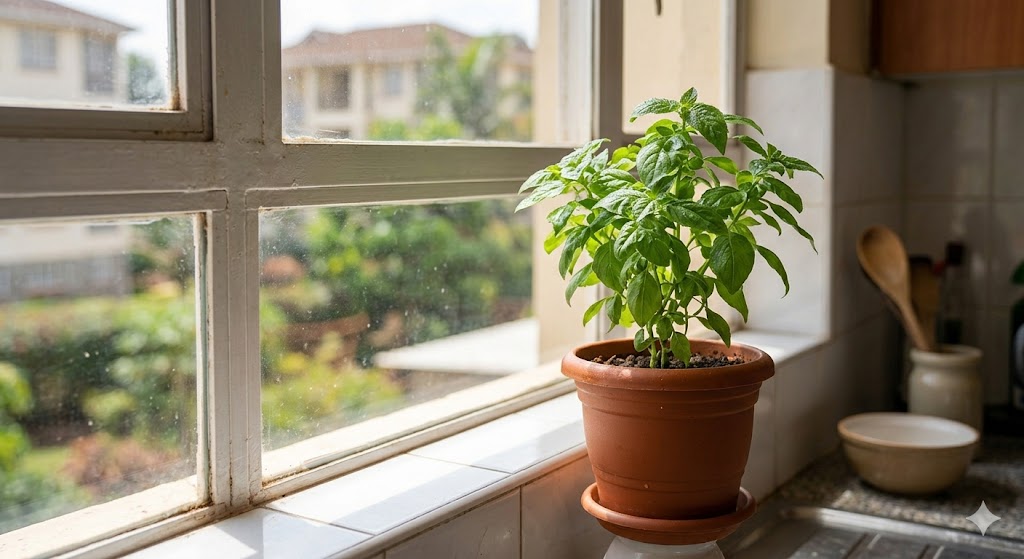
Lemon basil (Ocimum africanum) works particularly well in equatorial climates and is stocked at most Nairobi plant markets.
Place it at a doorway or on the kitchen counter for the best coverage.
5. Marigold
The bright orange and yellow tagetes (Marigold plants) you see lining garden borders across Nairobi produce a compound called terthienyl, which deters mosquitoes, flies and a range of other insects.
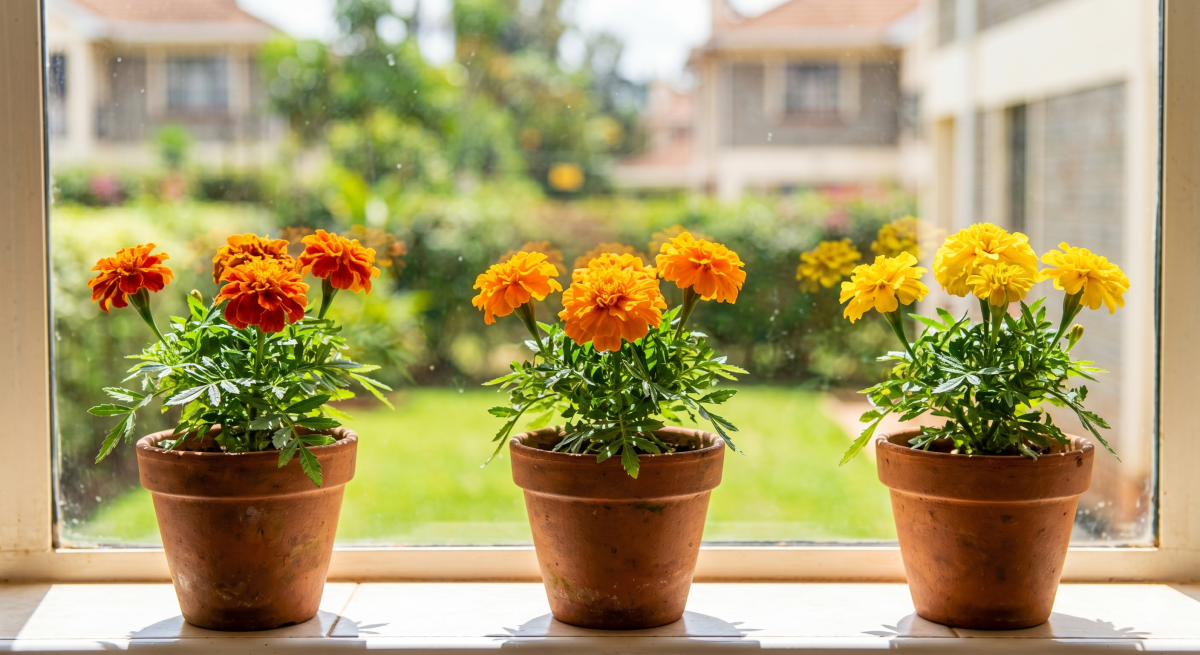
It is one of the simplest plants to grow indoors. It thrives in a small pot on a sunny ledge and it adds a warmth to any room that is hard to match.
How to get the most out of your green defences
Placement matters more than most people realise.
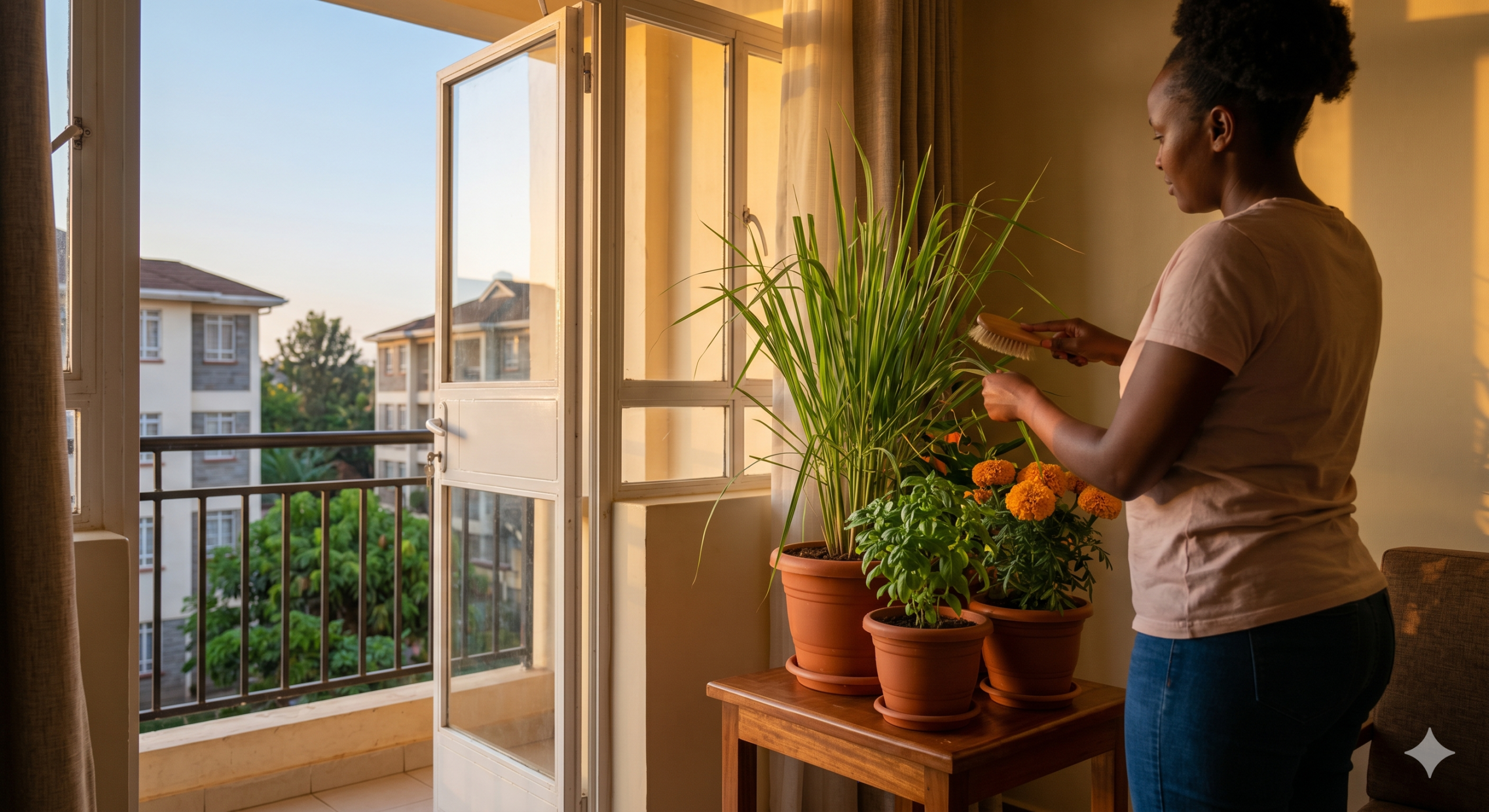
A plant sitting passively across the room does very little; the active compounds in these plants need to move through the air to work. Cluster pots near entryways, open windows and the spots where you spend time in the evening – the sofa, the bedroom, the dining area.
Gently bruising or brushing the leaves of lemongrass, basil and lavender helps release the oils that do the actual repelling. Make it a habit when you get home, the same way you would turn on a fan.
You do not need all five at once.
Start with lemongrass and basil (they are the easiest to find and care for in Nairobi), and expand from there.
Most of these plants prefer similar conditions: good direct sunlight, well-drained soil and moderate watering. A terracotta pot helps the roots breathe better than plastic.
None of them is a magic shield, and on a heavy-mosquito evening you will still want screens on your windows or additional protection.
But as a low-effort layer, they make a real difference – and they look considerably better than a coil holder on the coffee table.