How a 10-minute walk after meals stops glucose crash
By Dan Kauna, August 5, 2026Many workers know the familiar feeling of heavy eyelids and sluggish energy right after lunch. When you finish a meal rich in carbohydrates, your digestive system breaks that food down into glucose, which quickly enters the bloodstream.
To process this sudden influx of sugar, the pancreas works overtime to pump out insulin. This rapid rise and sudden drop in blood sugar is what causes that classic mid-afternoon slump.
Stepping away from your desk for a brief ten-minute stroll changes this whole process. When your leg muscles move, they pull glucose straight from your blood to use for quick physical fuel, taking the pressure off your pancreas and keeping your energy steady.
What science says about post-meal movement
This quick walk actively resets your metabolism. When your leg muscles contract during light walking, they open up cellular pathways that absorb blood sugar directly without requiring heavy insulin surges.
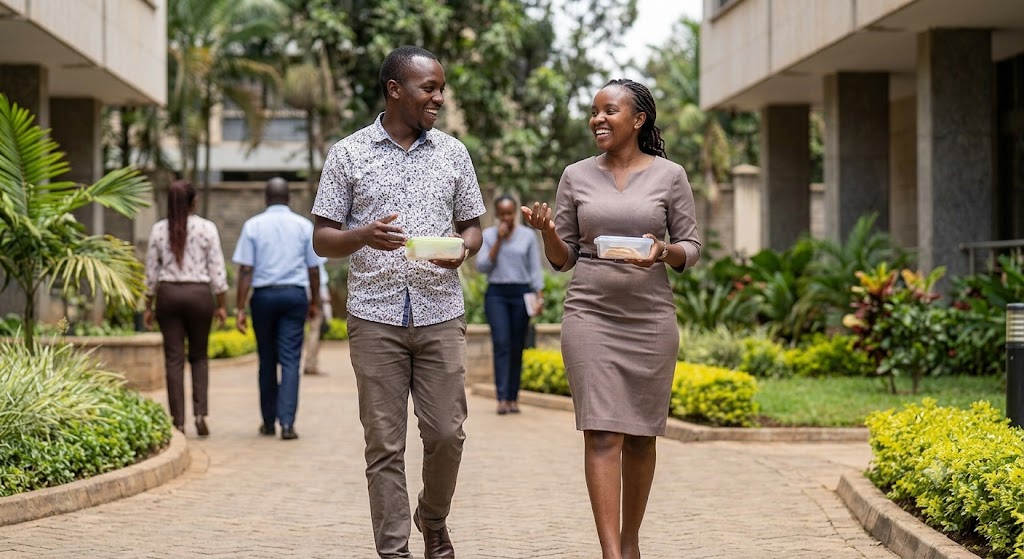
This simple habit flattens your daily blood sugar spike and keeps your energy manageable.
Peer-reviewed research confirms how effective this light activity can be. In an analysis published in Sports Medicine, researchers found that “light-intensity walking was shown to significantly attenuate postprandial glucose” compared to remaining seated.
By moving right as your body starts digesting, you stop the sharp sugar spikes that leave you feeling drained.
Health care for daily life
For office workers in cities like Nairobi, Mombasa, or Nakuru, this simple habit costs nothing and fits easily into a busy workday. You do not need gym gear, expensive fitness programmes, or dedicated sports tracks.

Walking around your office building, stepping outside for a brief loop down the street, or pacing a quiet hallway for ten minutes right after eating is all it takes.
Timing is what matters most; starting your walk within 20 minutes of finishing your meal gives your body the best chance to catch rising blood sugar levels.
Beyond keeping your blood sugar stable, gentle movement helps your stomach contract normally. This encourages food to move smoothly through your digestive system, reducing bloating, heavy feelings, and gas after meals.
Making a short post-meal walk a consistent habit is a simple, zero-cost way to protect your long-term health and stay sharp for the rest of your shift.