Health experts raise concerns as Gen Z mothers avoid breastfeeding over breast sagging fears
By William Muthama, August 6, 2026Health experts have raised concerns that some young mothers are avoiding breastfeeding due to fears that it could affect their body shape, warning that such beliefs may put infants’ health at risk.
In a period where physical appearance is increasingly influenced by social media trends, health officials say some mothers, particularly among Generation Z and some millennials, are turning to artificial feeding methods instead of exclusive breastfeeding.
Speaking on Thursday, August 6, 2026, during World Breastfeeding Week activities in Murang’a County, Deputy Director of Health Kairo Kimende said some mothers were choosing alternatives because of misconceptions surrounding breastfeeding and body changes.
“The new generation, the Gen Zs, maybe some millennials, prefer to use artificial feeds or artificial methods of feeding instead of the natural God-given breast,” Kimende said.
He warned that avoiding breastfeeding could also affect other important health services for babies.
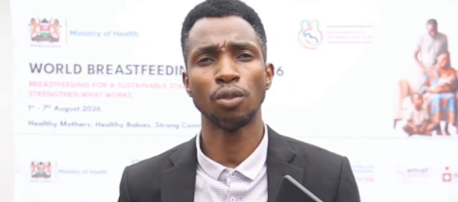
“These children will not visit the facilities for treatment of illnesses. They will never come for growth monitoring or immunisation. So these babies will be away, and they will not get these infections,” he said.
The doctor said the use of feeding bottles has increased, rising from about 24 per cent a few years ago to around 30 per cent currently.
He noted that reliance on alternative feeding methods could interfere with the bond between mothers and their babies, while also denying children some of the important nutrients found in breast milk.
“Babies detach from mothers. You fail to establish breast milk as the main meal for the baby. You fail to establish the connection between the mother and the baby,” he said.
Push for exclusive breastfeeding
The concerns come as health officials mark World Breastfeeding Week, emphasising the importance of exclusive breastfeeding for the first six months of a child’s life.
The World Health Organisation recommends that babies should be exclusively breastfed for six months, after which breastfeeding should continue alongside appropriate complementary foods up to two years or beyond.
Nancy Mwangi, a nutrition coordinator in Murang’a County, said some mothers also face challenges linked to employment, especially those working in informal jobs.
“Some of these barriers are related to work policy where most of our women work as casual labourers,” Mwangi noted.
She said Murang’a County has been strengthening breastfeeding support through community initiatives. The county has achieved a breastfeeding rate of 68 per cent after placing mothers into 120 support groups and training more than 1,900 community health promoters to guide mothers.