Health effects caused by toxins for poor grain storage
By Katemarthason Okudo, June 3, 2026As we celebrate World Food Safety Day, many households rely heavily on maize, millet, sorghum, and groundnuts as daily staple foods. However, when these foods are poorly dried or stored in damp conditions, they can develop mould that produces harmful substances known as aflatoxins.
These toxins are naturally produced by certain fungi and are often invisible, meaning contaminated food may look and smell normal. Health experts warn that the problem tends to increase during wet seasons or when crops are stored without proper ventilation.
According to the Food and Agriculture Organization, aflatoxin contamination is more common in regions where post-harvest handling and storage practices are not well controlled. This makes everyday meals a possible source of long-term health risks if care is not taken from harvest to consumption.
Health risks linked to contaminated grains
Research shows that repeated exposure to aflatoxins can have serious effects on human health. One of the most severe risks is liver cancer, especially when exposure continues over many years. The World Health Organisation has classified aflatoxins as highly toxic compounds that can damage the liver even in small but repeated amounts.
Beyond cancer, these toxins can weaken the immune system, making the body less able to fight infections. In children, exposure has been linked to stunted growth and poor development. In pregnant women, some concerns that contaminated food may increase the risk of birth defects or complications, although research is still ongoing in some areas.
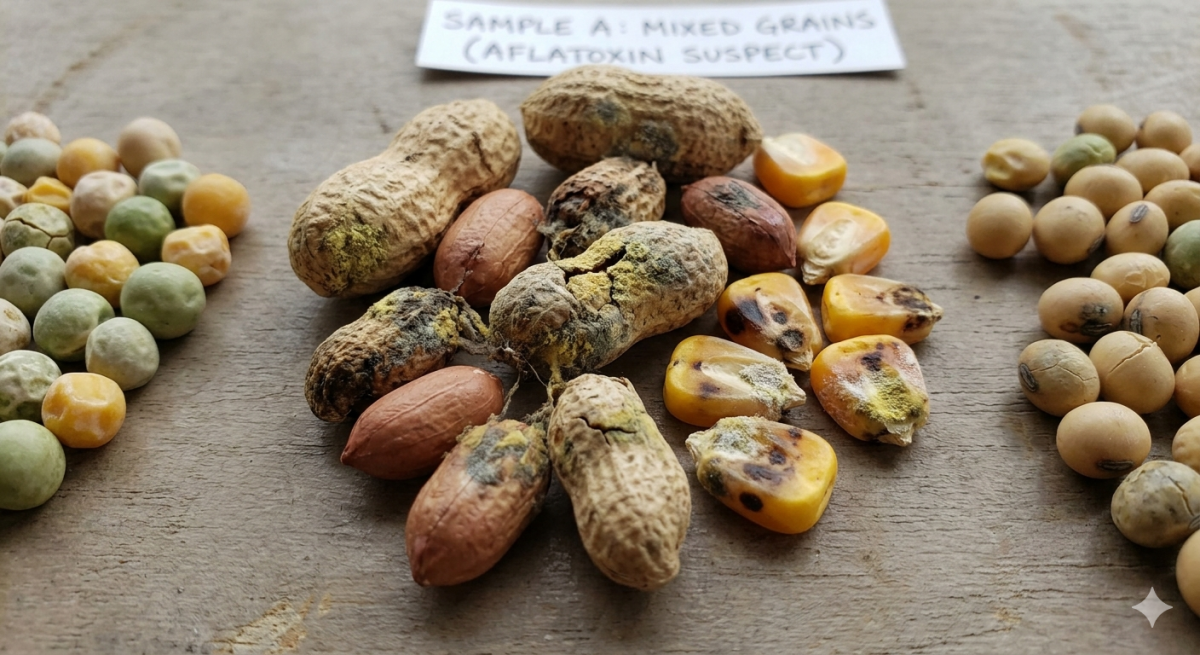
Health officials in many countries have also raised concerns about food safety in informal storage systems, where grains are often kept in sacks or on floors without moisture control. Over time, this creates the right conditions for mould growth and contamination.
The Ministry of Health, Kenya, has continued to advise communities on safer storage methods and regular food inspections to reduce exposure, especially in rural farming areas where home storage is common.
Safe storage and prevention measures
Preventing aflatoxin contamination is more effective than trying to remove it after it has formed. Proper drying of grains before storage is one of the most important steps. Crops should be dried under the sun until they reach safe moisture levels before being stored in clean, dry and well-ventilated containers.
Farmers and households are also encouraged to sort and remove damaged or mouldy grains before storage or cooking. Even a small portion of contaminated produce can affect an entire batch if mixed.
Regular inspection of stored food is another simple but important habit. Checking for signs of moisture, unusual smells or discolouration can help reduce the risk of consuming contaminated food unknowingly.

Public health agencies continue to emphasise awareness campaigns on food safety. They noted that reducing aflatoxin exposure is a shared responsibility between farmers, traders, and consumers.
With better storage practices and awareness, the risk posed by these silent toxins can be significantly reduced, helping protect families from long-term health complications linked to everyday foods.