Dr Joe Njagi explains why removing the uterus does not cure endometriosis
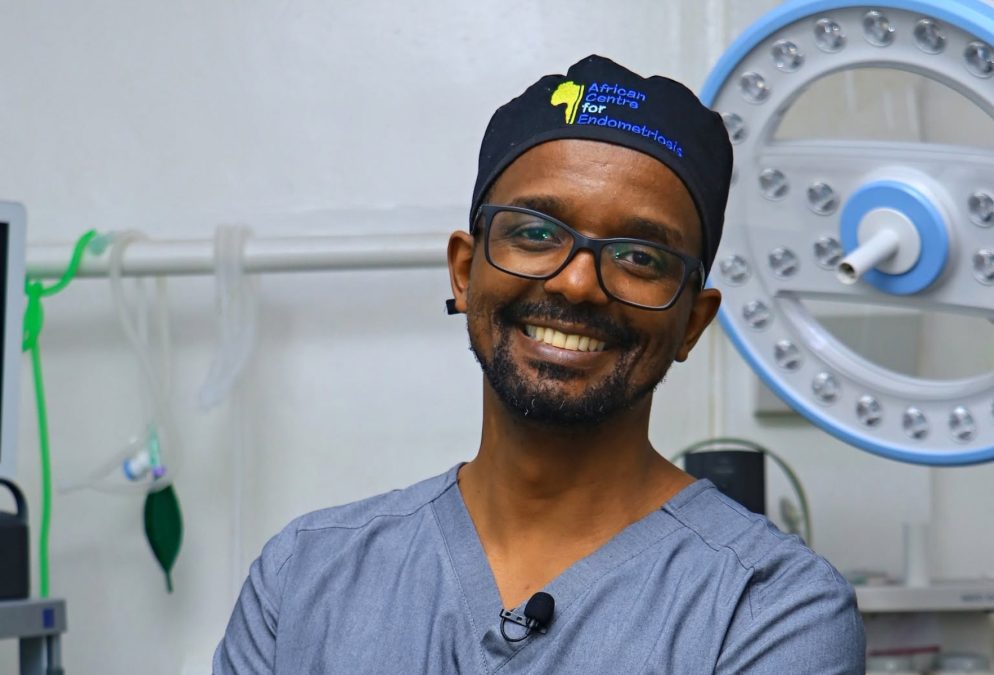
By Valerian Khakayi, August 24, 2026Kenyan gynaecologist and endometriosis specialist Dr Joe Njagi has explained why a hysterectomy, or removal of the uterus, does not necessarily cure endometriosis.
Speaking during an educational session, Njagi cautioned against the misconception that removing the uterus is a guaranteed solution for the condition, which affects women of reproductive age and can cause chronic pelvic pain, among other symptoms.
Njagi described the belief that hysterectomy cures endometriosis as a harmful myth.
He also questioned why a patient would lose an organ if the procedure does not necessarily address the underlying disease.
“Hysterectomy cures endometriosis? This is horrible, where patients out there are told that, have a hysterectomy, or removal of the uterus, to cure endometriosis,” Njagi said.
“This is a horrible myth. Can you imagine losing an organ which is not going to treat your condition?”
Njagi also advised patients battling endometriosis not to agree to hysterectomy as an optional treatment.
“So the next time you are given that as an option for endometriosis, say no, no hysterectomy for endometriosis,” he advised.
Endometriosis occurs when tissue similar to the lining of the uterus grows outside the uterus. Because this tissue can develop in areas outside the uterus, removing the uterus alone does not necessarily remove all endometriosis lesions.
Other myth
Njagi also addressed another common misconception, that getting pregnant can cure endometriosis.
He said pregnancy does not cure the condition and warned patients against accepting the advice that they should simply become pregnant to get rid of endometriosis.
“Getting pregnant is going to cure endometriosis. Pregnancy does nothing to endometriosis, so the next time someone tells you that get pregnant and it is going to cure endometriosis, that is a myth, and it does not work,” he said.
Does endo have a cure?
According to Njagi, endometriosis does not currently have a definitive cure.
However, he said early diagnosis can make it possible to manage and treat the condition.
“Unfortunately, endometriosis does not have a cure; however, if we catch endometriosis early, we can manage it,” Njagi stated.
Treatment can include hormonal medication aimed at controlling symptoms and limiting the activity of endometriosis.
“We can treat endometriosis or manage it with hormonal treatment, but surgery tends to be the gold standard in the treatment of endometriosis because you are literally getting out the disease,” he added.

Surgery option
Njagi said surgery remains an important treatment option for endometriosis because it can involve removing visible endometriosis lesions.
He noted that patients considering surgery should ensure they are treated by a specialist who understands endometriosis.
“If you have to undergo surgery for endometriosis, make sure it is being performed by an endometriosis specialist,” he advised.
Why some patients undergo multiple surgeries
The endometriosis specialist also addressed patients who report having undergone several surgeries for endometriosis.
He suggested that repeated procedures may sometimes be linked to the expertise involved in the earlier surgeries.
“That is the reason why most patients will say, ‘I have had four or five surgeries.’ Maybe the reason was because the first, second, third, or whatever surgery was not performed by an endometriosis specialist,” he explained.
His advice highlights the importance of seeking appropriate specialist care when considering surgery for endometriosis, particularly for patients whose symptoms persist or return after previous procedures.