Advertisement
Alcohol withdrawal: What happens when the body reacts to sudden stop
27th May, 2026 11:21 AM
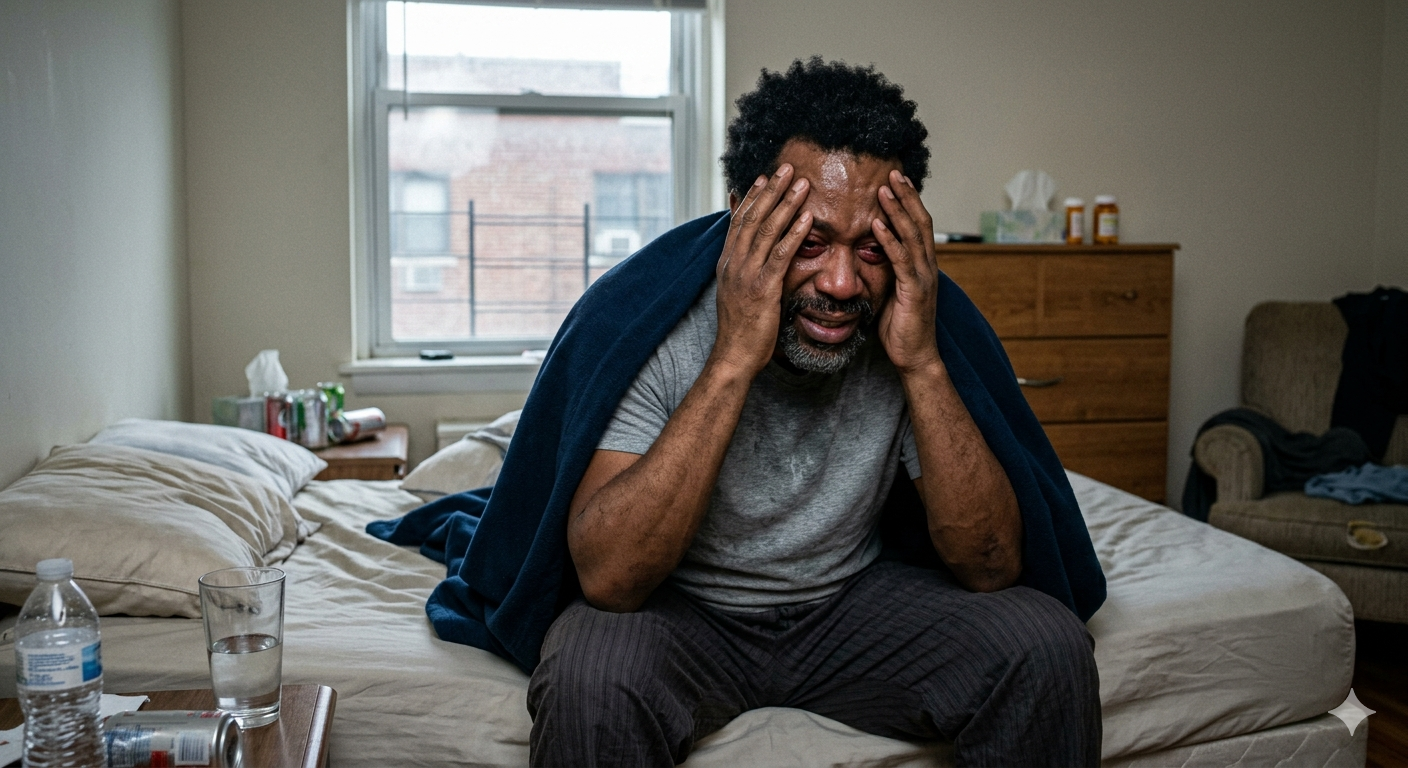
Alcohol withdrawal is a condition that can affect a person who suddenly reduces or stops heavy or long-term alcohol use. It happens because the body and brain have become dependent on alcohol to function normally.
When alcohol is removed, the system struggles to adjust, leading to a range of physical and psychological reactions. The condition can range from mild discomfort to severe and life-threatening complications if not managed properly.
According to the World Health Organization (WHO), alcohol dependence is a medical condition that requires careful support and treatment, especially during withdrawal.
What is alcohol withdrawal?
Alcohol withdrawal refers to a set of symptoms that occur when a person who has been drinking heavily for a long time suddenly stops or significantly reduces alcohol intake. The brain adapts to regular alcohol use by changing its chemical balance, especially affecting neurotransmitters that control mood, sleep, and alertness. When alcohol is removed, the brain becomes overactive, leading to withdrawal symptoms.

This condition is most common among individuals with alcohol use disorder, but it can also affect those who have been drinking heavily for weeks or months. The Alcohol use disorder is closely linked to withdrawal, as it increases the risk of dependence and severe symptoms.
Causes and symptoms
Alcohol withdrawal is mainly caused by physical dependence on alcohol. When alcohol consumption stops suddenly, the nervous system becomes overstimulated. The severity of symptoms depends on how long and how much a person has been drinking.
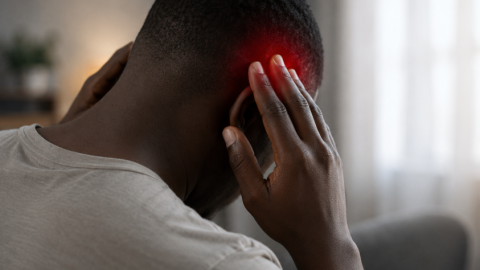
Common symptoms include tremors, anxiety, irritability, sweating, nausea, headaches, and difficulty sleeping. In more severe cases, symptoms may escalate to confusion, hallucinations, and seizures. Health information from the National Institute on Alcohol Abuse and Alcoholism highlighted that withdrawal symptoms can begin within hours after the last drink and may peak within 24 to 72 hours.

Alcohol withdrawal can become severe and potentially life-threatening without medical supervision.
How to manage and deal with alcohol withdrawal
Managing alcohol withdrawal safely often requires medical supervision, especially for individuals with long-term dependence. In mild cases, treatment may involve hydration, rest, and nutritional support. However, moderate to severe cases may require medication to reduce symptoms and prevent complications such as seizures.
Doctors may prescribe medications that help stabilise brain activity and reduce anxiety. In some cases, individuals are admitted to medical facilities for close monitoring during the first few days of withdrawal. Support systems such as counselling, rehabilitation programmes, and peer groups also play an important role in long-term recovery.