Advertisement
Why more people are walking away from alcohol
30th April, 2026 03:32 PM
On most weekends, drinking remains a key part of social activity. Celebrating birthdays, reunion parties, ruracios, office gatherings, and any form of socialisation usually involves alcohol. But below the surface of all this, there is a subtle movement emerging, where individuals are choosing to distance themselves from alcohol.
For many, the decision begins with health. According to the World Health Organization, harmful alcohol use is linked to more than 200 health conditions. That reality is slowly sinking in, especially among young adults who are becoming more intentional about their lifestyle choices.
“Alcohol is linked to more than 200 diseases and injuries, including heart disease, cancer, and mental health conditions such as depression and anxiety,” WHO said.
There is growing awareness of how alcohol affects the body beyond the obvious hangovers. Poor sleep, constant fatigue, anxiety, and weight loss are some of the concerns pushing people to rethink their habits.“In 2019 alone, hundreds of thousands of deaths, from cardiovascular diseases, cancer, and road accidents, were attributed to alcohol, with many cases affecting not just drinkers but others around them.”WHO stated. Over time, the short-term relief that alcohol seems to offer is being weighed against its long-term effects.
“I got tired of feeling drained all the time,” is a common statement among those who have quit. What stands out is not just the physical change, but the mental clarity that follows. Better sleep, improved focus, and emotional stability are often mentioned as immediate benefits.
Money is another strong factor. With the rising cost of living, many are taking a closer look at their spending habits. Nights out can easily eat into savings, especially when they become routine. Cutting out alcohol is increasingly seen as a practical financial decision rather than a sacrifice.
What was once considered harmless leisure is now being questioned, especially by those trying to build savings, invest, or simply manage daily expenses.
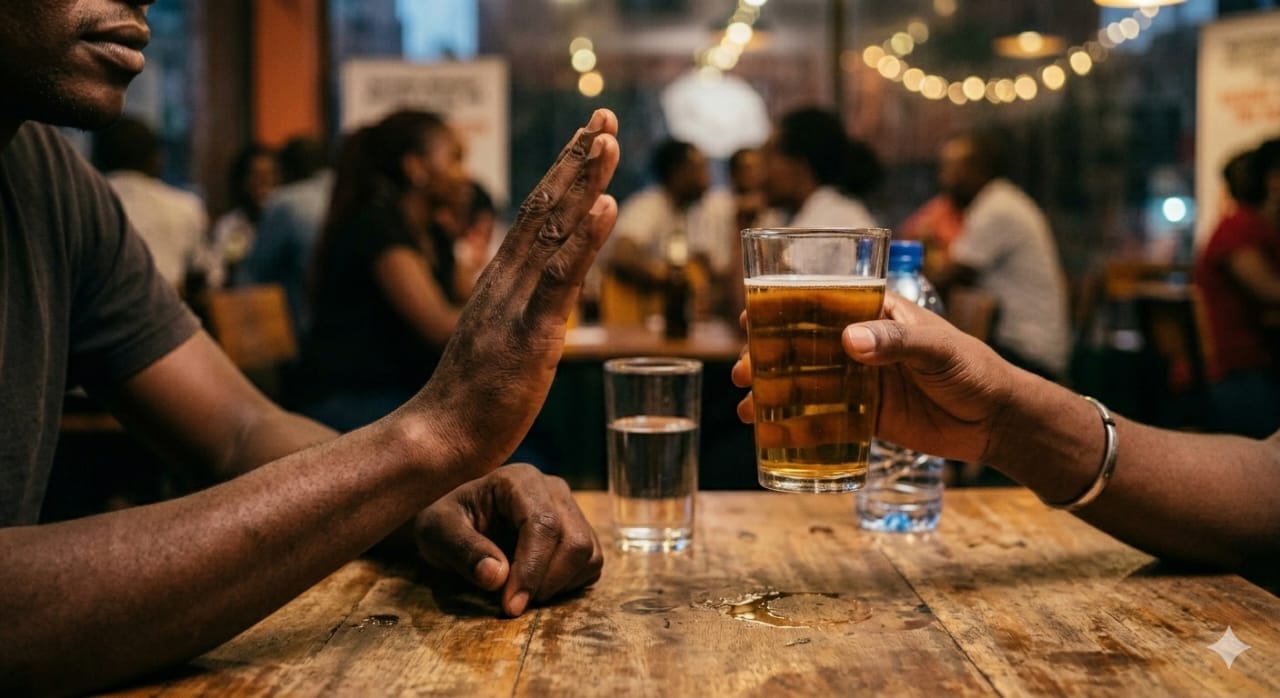
Still, choosing not to drink comes with its own challenges. There is an unspoken expectation to participate, and declining a drink can draw questions or even subtle pressure.
These are familiar lines in many social settings. Navigating such moments requires a level of confidence and, in some cases, a shift in social circles. Some people choose to attend fewer events, while others stick to their decision quietly, opting for non-alcoholic drinks without making it a big issue.
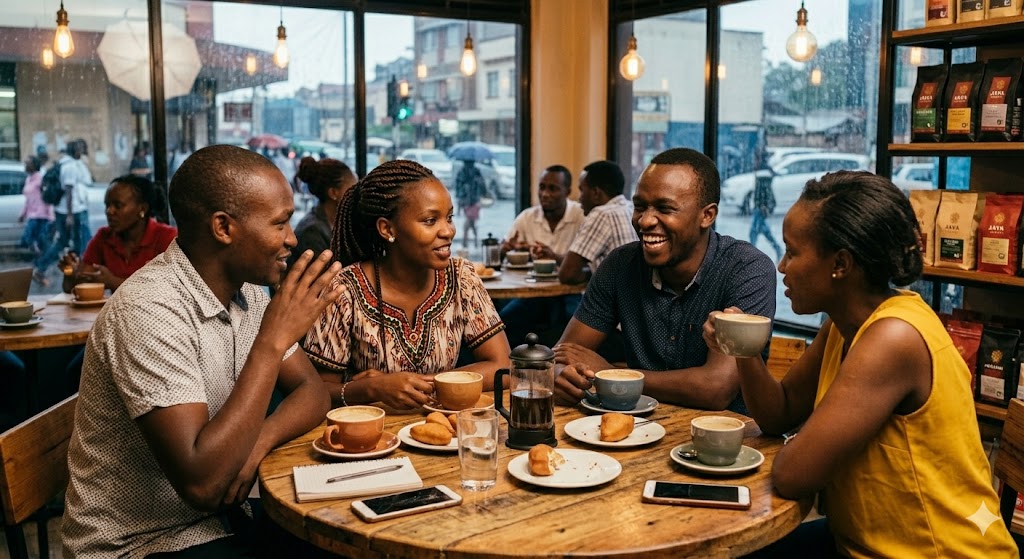
At the same time, new social habits are emerging. Coffee meetups, fitness activities, and small gatherings at home are becoming more common alternatives. These spaces allow people to connect without the pressure to drink, making it easier to maintain the choice.
One may also observe a change in how sobriety is taken. It has become a conscious decision made by people for themselves and is associated with discipline and self-awareness.
This trend indicates a shift in attitude toward health. Modern people have become increasingly aware of the importance of healthy lifestyles and are more conscious when making choices. People have become concerned not with what others do but with what would benefit them.
This is rather an individual approach to one’s life, which includes drinking water instead of alcohol, going home earlier, and avoiding bars or discos altogether.