Advertisement
5 everyday foods that can help keep your gut healthy
30th September, 2026 01:25 AM

Your digestive system does more than break down the food you eat. Your gut is home to trillions of bacteria and other microorganisms that play a role in digestion and overall health.
What you eat can affect these microorganisms. A diet with enough fibre and a variety of plant foods can help support a healthy gut.
You do not always need expensive or special foods to care for your gut. Some foods that are already common in Kenyan homes can be useful.
What causes gut problems?
According to Doctor Gerard Mulin, gut problems can be caused by many factors, including an unhealthy diet, food intolerances, infections, stress and certain medications.
He further explains that gut problems can also be caused by digestive disorders such as irritable bowel syndrome (IBS), coeliac disease or inflammatory bowel disease.
Poor eating habits, changes in gut bacteria and ongoing stress can disrupt normal digestion, leading to symptoms like bloating, stomach pain, gas, diarrhoea or constipation. In some cases, persistent gut problems may indicate an underlying medical condition that requires treatment.
1. Bananas
Bananas are an easy and affordable source of fibre.
They also contain resistant starch, particularly when they are slightly green. This type of carbohydrate can reach the large intestine, where gut bacteria can use it.
A banana can be eaten on its own, added to porridge or blended into a smoothie.
2. Beans
Beans are a good source of dietary fibre, which can support regular bowel movements and provide food for beneficial gut bacteria.
Whether you enjoy beans with ugali, rice or chapati, adding them to your meals can increase your fibre intake.
If beans tend to make you uncomfortable or bloated, increase your intake gradually and drink enough water.
3. Vegetables
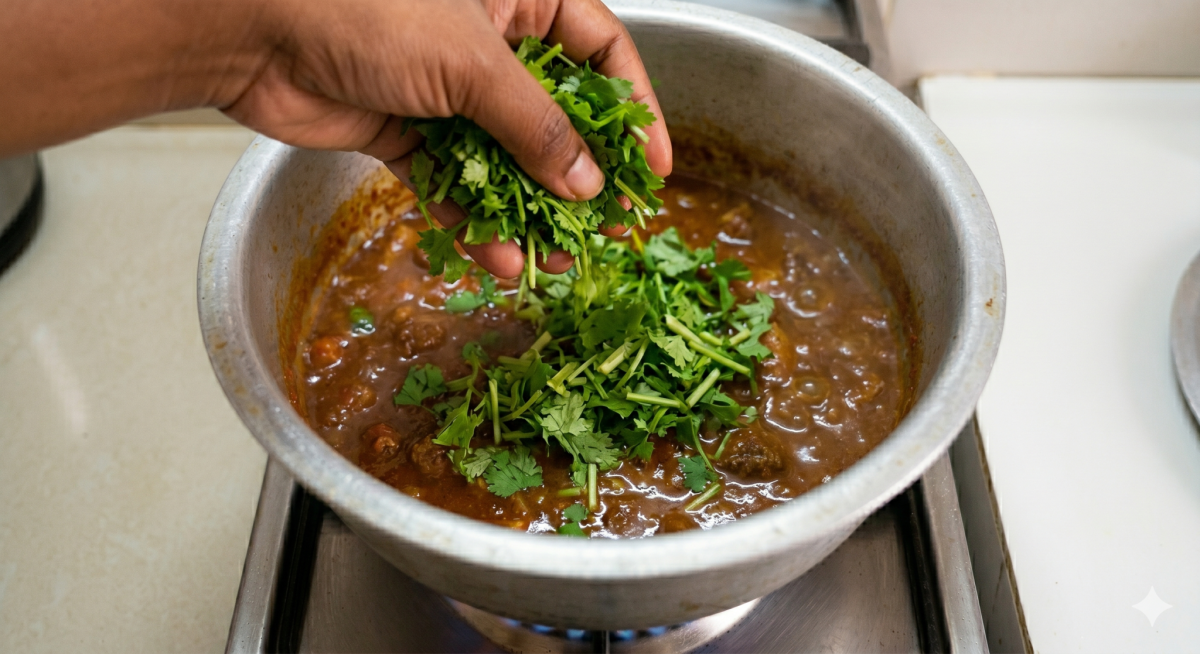
Vegetables such as sukuma wiki, spinach, cabbage, carrots and kunde provide fibre and other nutrients.
Different types of fibre support the digestive system in different ways, so eating a variety of vegetables can be useful.
Try including vegetables in your main meals rather than relying mainly on starches such as ugali, rice or chapati.
4. Oats and other whole grains
Whole grains contain more fibre than refined grains because they retain more parts of the grain.
Oats can be an easy breakfast option, while whole-grain cereals and other high-fibre grains can be included in other meals.
Fibre also helps add bulk to stool, which can support healthy bowel movements.
5. Fermented foods
Some fermented foods contain live microorganisms that may support the gut microbiome.
Plain yoghurt with live cultures is one familiar example. Other fermented foods can also be part of a varied diet.
When buying yoghurt, check the label for added sugar and choose options that fit your dietary needs.