Gym freshness guide: How to stop smelling like sweat before you even start training
By Ascah Mwango, May 8, 2026Walking into the gym feeling clean and confident changes everything. You move differently, you focus better, and you are not constantly wondering whether people can detect that faint “pre-workout odour” that seems to appear out of nowhere. The truth is, smelling fresh at the gym is not about masking sweat or relying on a strong fragrance. It is about understanding how body odour forms and setting up simple habits that stop it before it starts building up in the first place.
Most gym odour issues come from a mix of sweat, bacteria, clothing, and timing. When these factors are not managed well, even a light workout can produce a strong smell. But when they are handled properly, you can sweat comfortably without carrying any unwanted “announcement” around the gym floor.
Sweat reality
One of the biggest misunderstandings about body odour is the idea that sweat itself smells bad. Fresh sweat is actually mostly water and salts, and on its own, it is not the problem. The real issue begins when sweat sits on the skin and mixes with bacteria that naturally live on the body. These bacteria break down sweat and release compounds that create that noticeable gym smell.
This is why odour can appear even when you are not sweating heavily. It is not about volume; it is about what is happening on the skin surface before and during your workout. If the skin is already carrying bacteria or leftover sweat from earlier in the day, the smell forms much faster once exercise begins.
Clean start
A clean body before training makes a bigger difference than most people realise. Showering before the gym, especially if you have been out during the day, removes oils, bacteria, and old sweat that would otherwise reactivate once you start moving. Even a simple, quick shower focusing on key areas like underarms, chest, and feet can reset your skin in a way that significantly reduces odour formation.
Product timing
What matters most is not just washing, but doing it properly and allowing the skin to dry before dressing. Damp skin combined with warm gym clothing creates an environment where bacteria thrive faster, which is exactly what you want to avoid.
Deodorant and antiperspirant are often treated like quick fixes, but they work best when used at the right time. Antiperspirant is most effective when applied on clean, dry skin before sweating begins, often even the night before a workout day. This gives it time to form a barrier that reduces sweat production.
Deodorant, on the other hand, is more about controlling odour once sweat begins. It works by reducing bacterial activity and masking smell, but it cannot undo poor timing or application on already sweaty skin. When both are used correctly, they complement each other instead of competing with your body heat during exercise.
Fabric choice
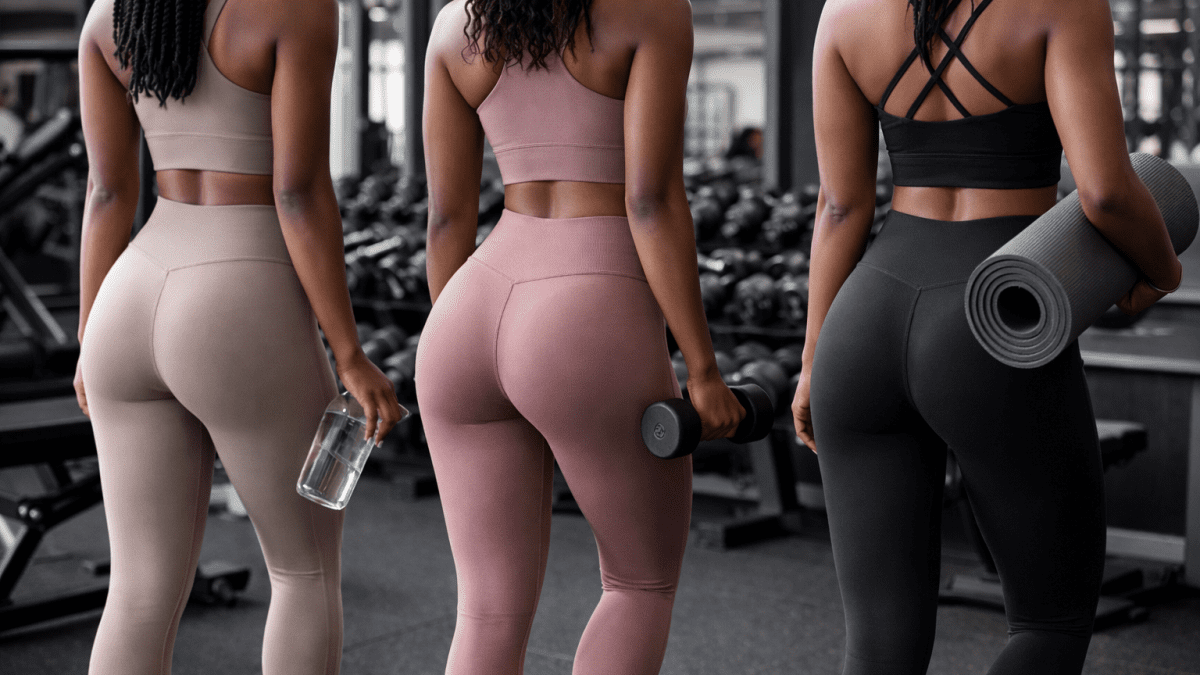
Gym clothing plays a much bigger role in odour control than most people expect. Tight, non-breathable fabrics trap heat and moisture against the skin, which creates the perfect environment for bacteria to multiply. Once that happens, even a short workout can produce a strong smell that lingers on both the body and the clothes.
Breathable, moisture-wicking fabrics help sweat evaporate faster, which reduces the time bacteria have to break it down. Freshly washed clothes are also essential because leftover bacteria from previous workouts can reactivate quickly once the body heats up again. Wearing clean gear is not just about hygiene; it is about preventing old sweat history from joining your current workout session.
Foot care
Feet are one of the most overlooked sources of gym odour. Shoes create a warm, enclosed space where sweat has very little chance to evaporate, which allows bacteria to thrive easily. If socks are reused or shoes are not given enough time to dry, the smell builds up gradually and becomes noticeable very quickly during exercise.
Fresh socks, proper drying time for shoes, and rotating footwear when possible all help reduce this issue. It is one of those areas where small habits make a surprisingly big difference in overall freshness.
Hydration factor
Hydration affects more than just performance; it also influences how your sweat behaves. When the body is dehydrated, sweat can become more concentrated, which sometimes makes the odour more noticeable. Drinking enough water helps regulate body temperature and supports a more balanced sweat response during exercise.
While hydration alone will not eliminate odour, it works quietly in the background to keep everything more stable and less intense, especially during high-effort workouts.
Bag hygiene
The gym bag is often the hidden culprit behind lingering odour. Damp clothes, used towels, and sweaty gear left inside create a sealed environment where bacteria multiply easily. Over time, this smell transfers back onto clean items, making it feel like you never fully reset between workouts.
Emptying your bag after each session and allowing it to air out properly helps prevent this buildup. It is one of those small habits that does not feel urgent, but makes a big difference in how fresh you feel every time you show up at the gym.