Advertisement
Why young people are incorporating protein into everything they eat
20th May, 2026 08:03 PM

A quiet culinary shift is transforming urban Kenyan kitchens. Across major cities, young adults are prioritising protein, adding Greek yogurt to breakfast bowls, boiling batches of eggs, and stirring imported powders into their morning oats.
Fueled by fitness influencers and a booming gym culture, protein has evolved from a basic macronutrient into a status symbol for health and modern living.
What is driving the protein obsession?
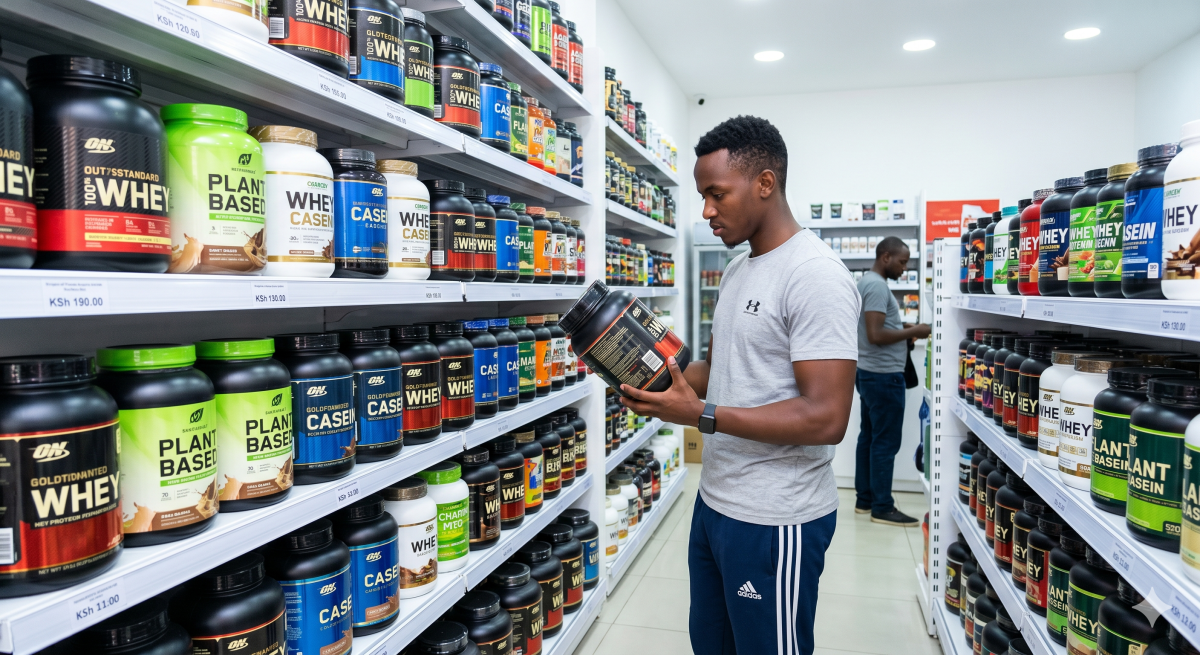
It is a mix of rising disposable incomes, urbanisation, and a growing wellness culture. The demand has created a lucrative local market; a single tub of whey protein in Nairobi can cost anywhere from Ksh2,000 to Ksh11,000.
For young Kenyans, swapping out traditional, starch-heavy plates for high-protein alternatives is increasingly viewed as the ultimate shortcut for weight management and staying full.
Is the extra intake necessary for non-athletes?
For the average person who isn’t lifting heavy weights or training like an elite athlete, overloading on protein is usually an expensive mistake.
A peer-reviewed study published in Food & Function establishes that the ideal daily requirement for an average adult is just 0.8 grams per kilogram of body weight. For a person weighing 70 kilograms, this translates to only 56 grams daily, a target easily met through traditional foods like milk, eggs, and fish.
In fact, overdoing it can backfire on your health. A study released on February 29, 2024, by the University of Missouri found that getting more than 22 per cent of your daily calories from protein activates a biological pathway linked to heart problems.
Specifically, the researchers noted that excessive protein intake “triggers cellular mechanisms that promote the buildup of plaque in the arteries,” increasing overall cardiovascular risk.
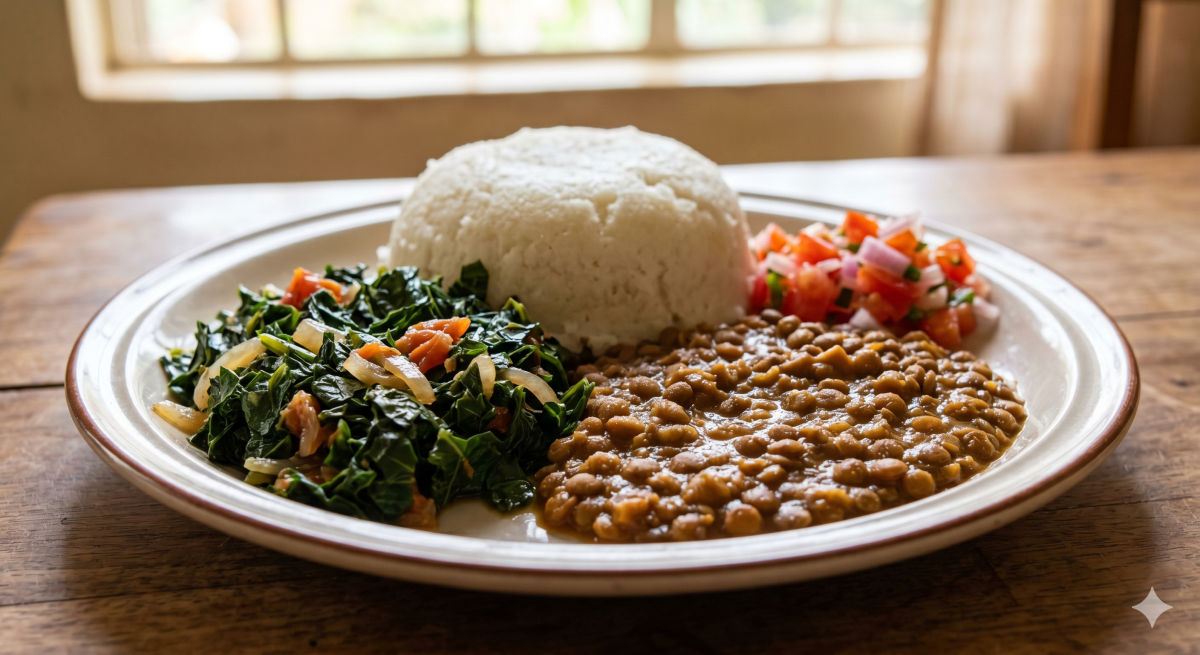
Rather than relying on costly imported supplements, everyday Kenyans can achieve optimal fitness by balancing local staples like ugali and sukuma wiki with affordable, locally sourced plant and animal proteins.