Advertisement
Gym newbie guide: How to hit your protein goals on a budget
19th January, 2026 09:27 AM
Chances are, you are new to the gym and have no clue how to hit your daily protein target, or maybe you are still wondering why protein even matters.
When you start hitting the gym, your muscles go through tiny damage every time you lift weights or do resistance work. Protein is the nutrient your body uses to repair and build those muscles. Too little, and you stagnate. Just the right amount, and you recover faster, feel less sore, and actually get stronger.
Starting at the gym can feel overwhelming. There is a lot to learn, including exercises, equipment, and nutrition. Protein is not just for bodybuilders; every beginner lifting weights or doing resistance training needs it to recover properly and grow stronger.
The good news is that hitting your daily protein goal does not have to be complicated or expensive. With some planning and simple food choices, even beginners on a budget can consistently meet their protein needs and see real progress in the gym.
1. Know how much protein you need
Many beginners overcomplicate protein intake, thinking they need huge amounts of shakes and supplements. In reality, a simple rule works well: aim for about 0.7 to 1 gram of protein per pound of your goal body weight. For example, if your goal is to be a strong human, your protein target should be roughly 110 to 160 grams per day.
You do not have to hit this perfectly every single day. Even coming close most days is enough to see real progress. The key is consistency. Your muscles respond over time, not from one perfect day. Start simple, track roughly, and adjust if you feel low on energy or are not seeing results.
2. Eggs: every gym bro staple
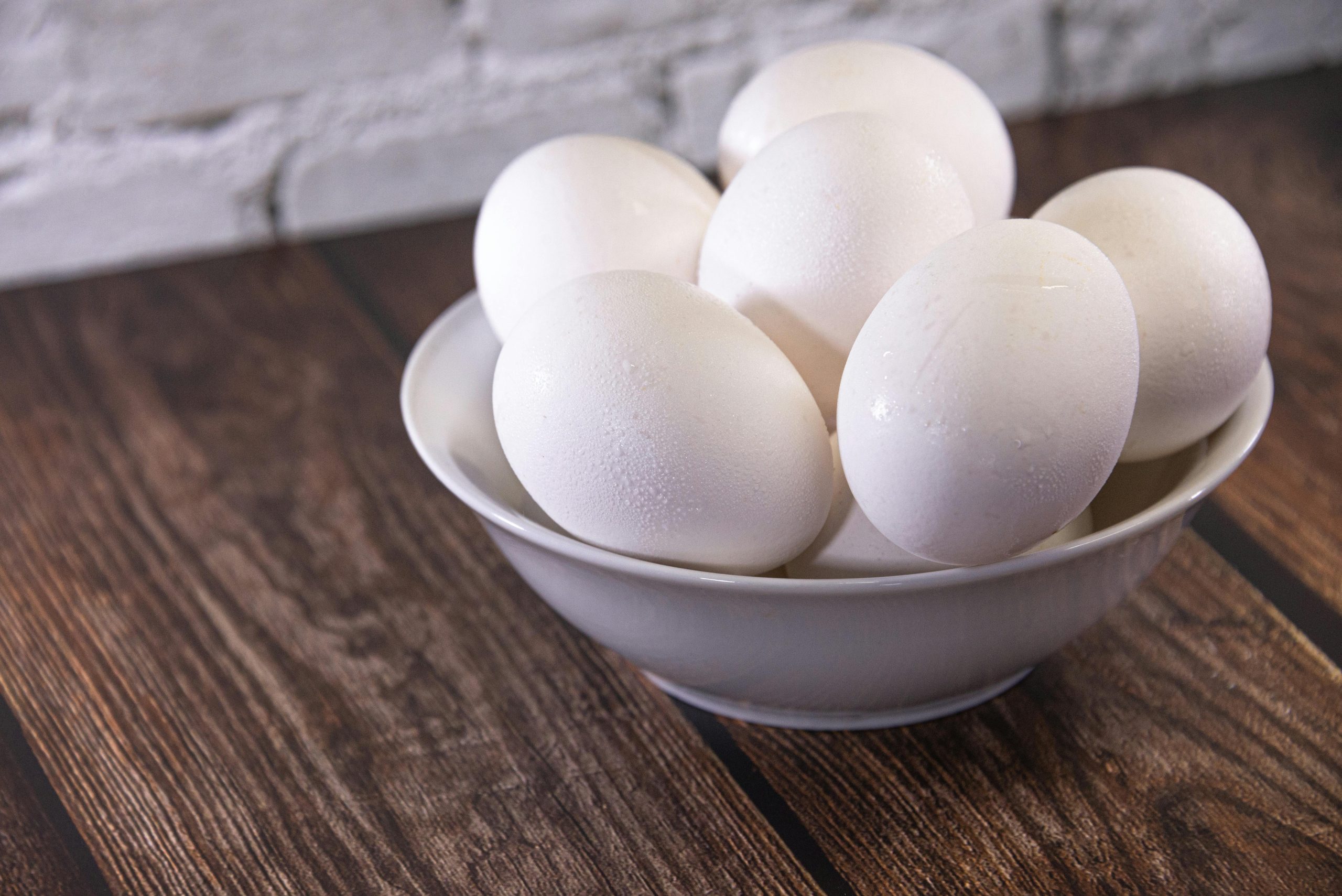
Fitness gurus have a love-hate relationship with eggs. Eggs are often called the most valuable protein for a reason. One large egg contains around 6 grams of high-quality protein, plus vitamins and minerals that support overall health.
They are cheap, easy to cook, and incredibly versatile. You can scramble them, boil them, make omelettes, or even toss them into fried rice. A breakfast of four eggs already gives you about 24 grams of protein, enough to fuel your muscles through the morning. Eggs are filling, affordable, and easy to combine with almost anything else you are eating.
3. Pantry staples: tuna, chicken, and dairy
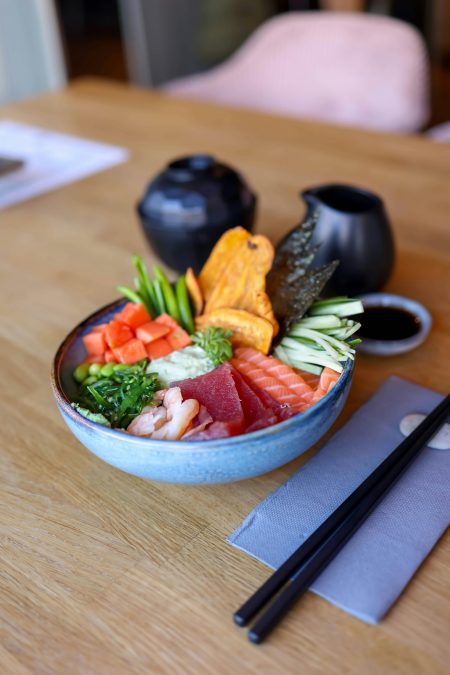
If you want to hit your protein goals without breaking the bank, canned tuna and chicken are lifesavers. One can of tuna gives around 20 to 25 grams of protein with zero cooking. They are perfect for salads, rice bowls, or simple sandwiches.
Dairy also packs a protein punch. Greek yoghurt is thick, creamy, and easy to eat on the go, with roughly 10 grams of protein per 100 grams. Cottage cheese is another affordable option and often has even more protein per serving. These options are not only budget-friendly but also versatile enough to mix with fruits, nuts, or oats for a filling snack or light meal.
4. Plant-based protein
Even if you are not a vegetarian, plant-based proteins are excellent for your wallet and your muscles. Lentils and beans are filling, cheap, and high in protein. One cooked cup of lentils has about 18 grams of protein. Add them to soups, stews, or rice bowls for a satisfying meal.
Seeds and edamame are smaller, but mighty. Pumpkin seeds, sunflower seeds, or frozen edamame add 6 to 18 grams of protein per serving, and buying them in bulk saves money. Plant-based protein also brings extra fibre, which helps you feel full longer, perfect for beginners who sometimes underestimate how much food they will need to hit their protein goals.
5. Extra boost: Peanut butter and protein powder
Peanut butter and other nut butters are simple ways to add extra protein to your diet. Spread on toast, blend into oatmeal, or even eat straight from the jar. Peanut butter gives both protein and healthy fats that help keep you full.
Protein powder is optional, but it can be a convenient way to top off your protein intake. One scoop of whey or a generic protein powder usually has 20 to 25 grams. You do not need the fancy, expensive brands. Even affordable powders can make reaching your daily protein target much easier, especially after a tough workout.
6. Meal preps
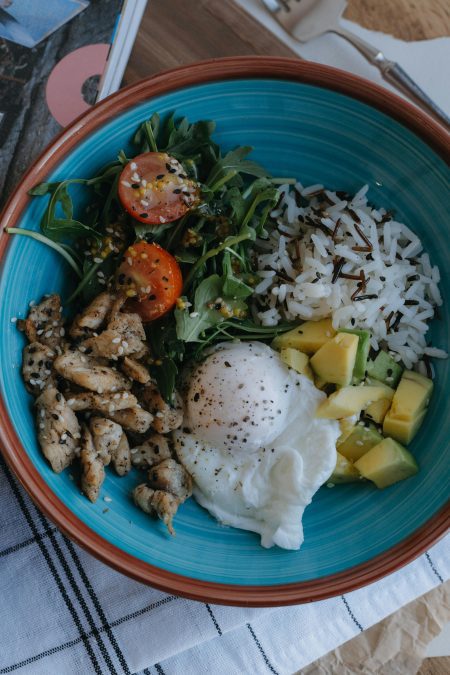
You do not need to be a master chef to hit your protein goals. Breakfast could be four eggs with oats and a spoon of peanut butter, giving you a strong start with 30 to 40 grams of protein. Lunch could be rice with a can of tuna and some vegetables, while snacks like Greek yoghurt with seeds or a protein shake keep you fueled between meals. Dinner can be a lentil stew or a chicken stir-fry with lots of vegetables, giving you another 30 to 40 grams of protein.
Batch cooking is your best friend. Cooking chicken, beans, rice, or lentils in large amounts and portioning them saves time and ensures you are never scrambling to get protein. Small protein boosts throughout the day add up. Sprinkle seeds on meals, mix eggs into fried rice, or toss beans into salads. Frozen chicken and vegetables are cost-effective, last longer, and make it easier to stick to your plan.