Why the timing of adding spices matters when cooking
By Katemarthason Okudo, August 12, 2026Spices are often treated as ingredients that can simply be thrown into a pot whenever convenient. But the stage at which they are added can affect how much flavour and aroma they bring to a meal.
Whole spices, ground spices and fresh herbs react differently to heat and moisture. Some need time to release their flavour into oil, while others are better added towards the end so that their aroma remains noticeable.
Knowing when to add them can help make ordinary meals such as stews, rice, beans and curries more flavourful.
Add whole spices when starting to cook
Whole spices are generally suitable for the early stage of cooking, particularly when oil is being heated.
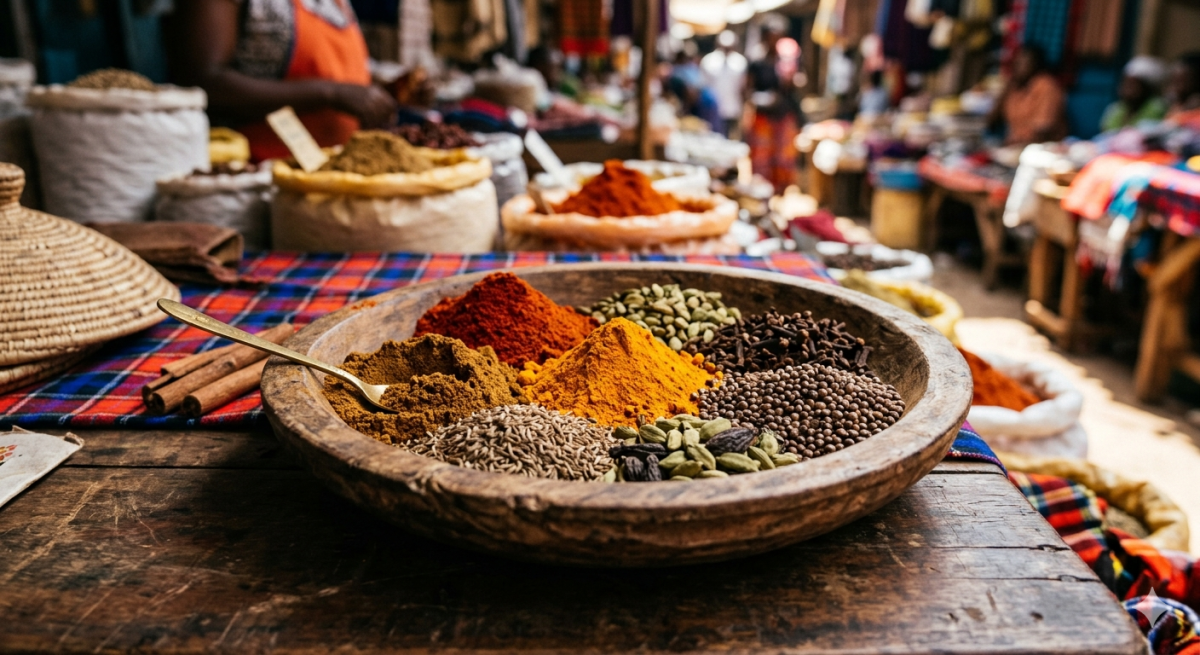
Cumin seeds, coriander seeds, mustard seeds, fennel seeds, cloves, cardamom pods, cinnamon sticks, bay leaves and whole black pepper can be added to warm oil before onions and other ingredients.
The heat helps release their aromatic oils, allowing the flavour to spread through the rest of the dish. According to the Michelin Guide, whole spices such as cinnamon, cardamom, cumin, coriander seeds and cloves can be added earlier to give them enough time to infuse the dish.
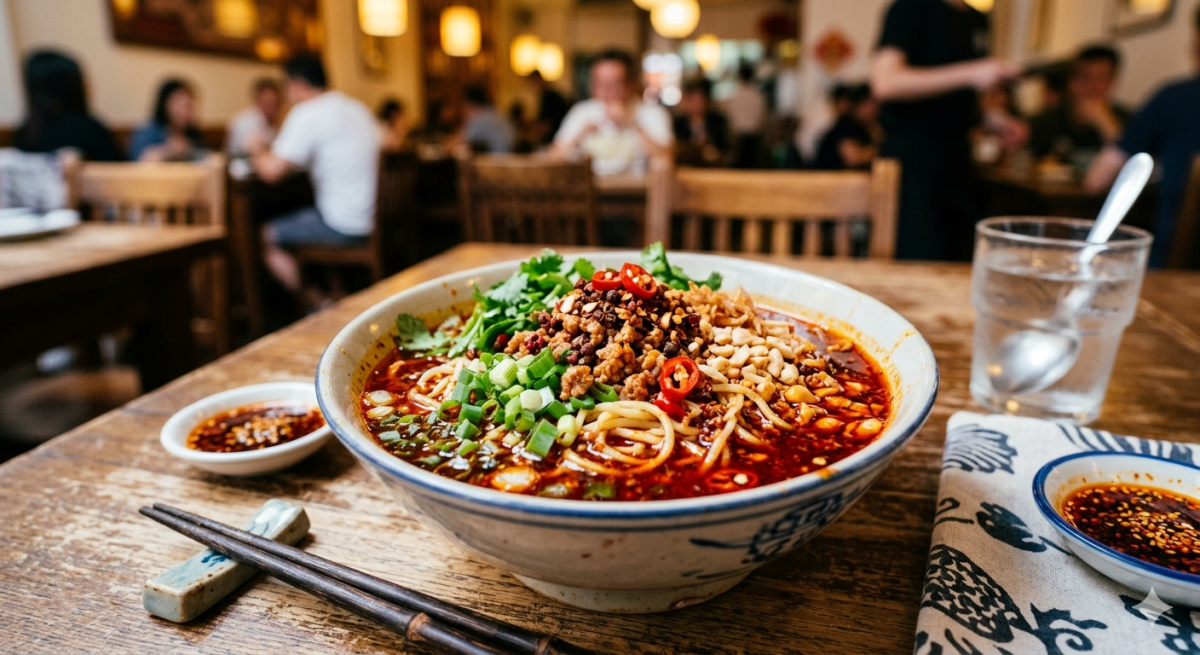
This technique is particularly useful when preparing dishes such as pilau, curries and some meat stews. However, the oil should not be allowed to become excessively hot. Whole spices can also burn if left unattended.
Ground spices are best added during cooking
Ground spices usually do not need as much cooking time because their smaller particles release flavour more quickly.
Turmeric, ground cumin, ground coriander, curry powder, paprika, chilli powder and ground black pepper can be added after the onions and other basic ingredients have started cooking. They can be stirred into the oil and onion mixture for a short period before tomatoes, stock, coconut milk or water are added.
According to the Mayo Clinic, paprika can be added at the start of cooking to allow its flavour to blend with other ingredients. However, powdered spices should be watched carefully because excessive heat can cause them to burn.
Dried herbs need time to release flavour
Dried herbs such as oregano, thyme, rosemary and dried basil generally benefit from being added while the food is cooking. They can go into stews, sauces, soups and meat dishes before the food is left to simmer. This gives them time to rehydrate and release their flavour into the cooking liquid.
Stronger herbs such as rosemary and thyme can be added during the final 20 minutes of cooking, while more delicate herbs require much less time.
Save delicate herbs for the finish
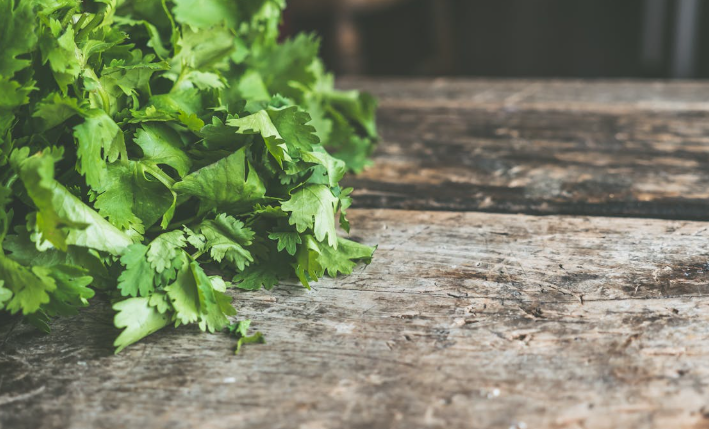
Fresh coriander, parsley, basil, dill, mint and chives are better added towards the end of cooking or just before serving. These herbs contain delicate aromas that can become less noticeable when exposed to heat for a long time.
Fresh coriander, for example, can be stirred into a stew after the heat has been switched off, while fresh basil can be added just before serving. Food experts recommend adding delicate fresh herbs such as basil, coriander and dill during the last one to two minutes of cooking or immediately before serving.
Some spices can be added twice
Black pepper, chilli, and some spice blends can be divided between the cooking stage and the finishing stage. The first addition builds flavour into the dish, while the later addition gives a fresher aroma and more noticeable taste.
Saffron is another example where timing matters. Saffron is best added towards the end of cooking because prolonged cooking can affect its delicate flavour.