Why storing bread in the fridge makes it go stale faster
By Dan Kauna, July 26, 2026Putting a fresh loaf of bread into the fridge seems like a smart way to keep it fresh for longer. Many households across Kenya do this every day to protect their bread from going bad.
However, cold air actually does the exact opposite. It speeds up the staling process, turning soft slices dry and hard much faster than leaving them on the kitchen counter.
What cold air does to bread
Bread going stale is not just about losing moisture to the air. It comes down to how starch inside the bread behaves when temperature changes.
During baking, heat forces starch in wheat flour to absorb water and swell up, creating that soft, fluffy slice enjoyed at breakfast.
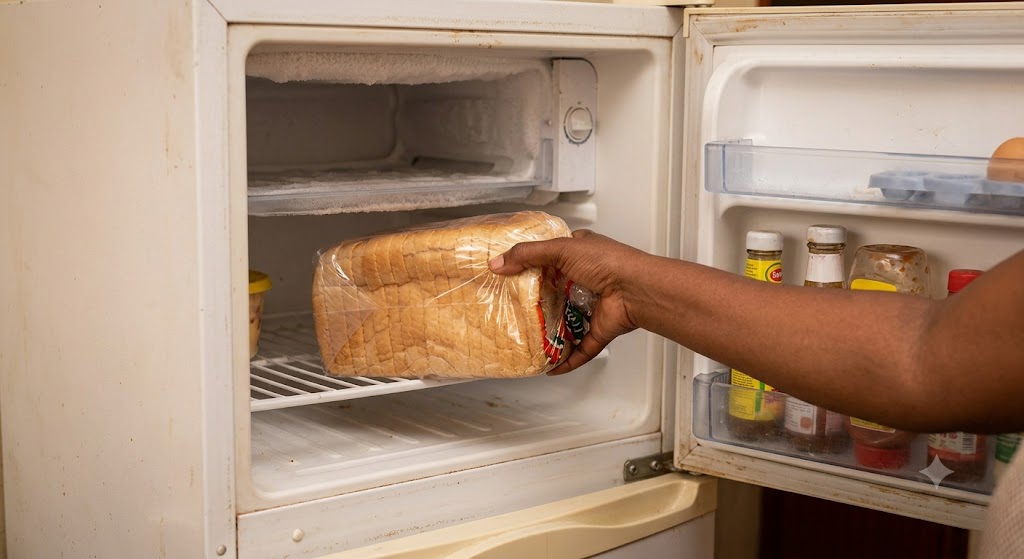
Once the bread cools down, those starch molecules start rearranging themselves back into solid crystals. As they form crystals, they push out water and turn the soft crumb hard.
Cold temperatures in a standard domestic fridge, usually between 2°C and 6°C, speed up this crystal formation.
Food scientists studying wheat starch explain that “Starch retrogradation is often considered as an undesirable phenomenon because of its major contribution to the staling of bread and other starchy foods, which can cause reduced duration of storage and consumer acceptance and lead to waste.”
In fact, bread hardens several times faster inside a cold fridge than it does at normal room temperature.
How to store bread properly
To keep a standard loaf soft and fresh, store it in a cool, dark pantry or cupboard away from direct heat and sunlight. Keeping the bag tied tightly retains its natural moisture and keeps out kitchen humidity that causes mould.
At room temperature, a fresh loaf stays soft for three to four days.
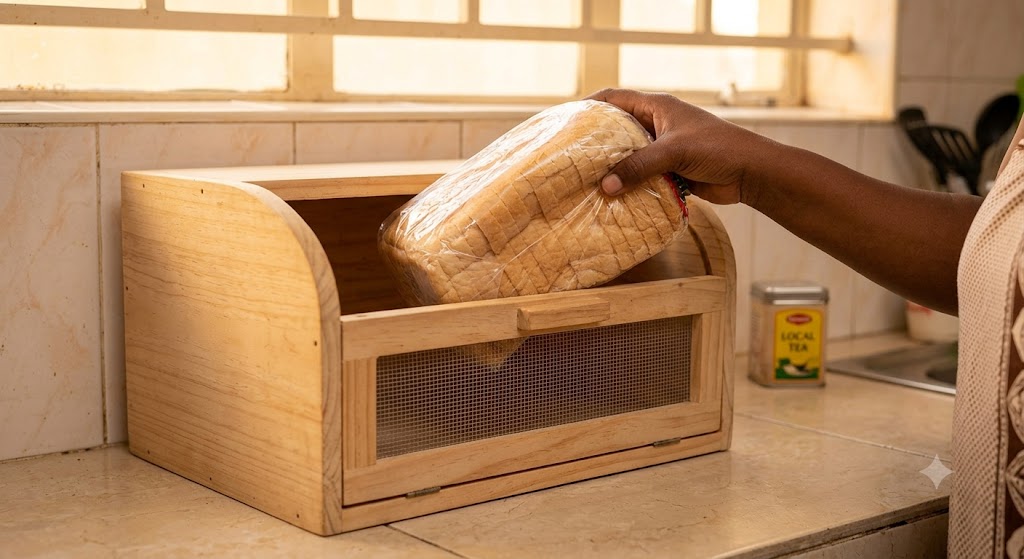
If a loaf cannot be finished within a few days, the freezer is a much better choice than the fridge. Freezing temperatures stop starch crystals from forming altogether without drying out the bread.
Sliced bread can stay in the freezer for weeks and go straight into the toaster. If bread has already turned slightly hard, warming it up in a toaster or oven melts those starch crystals back into a soft texture.