Why some foods require soaking before cooking, and what happens if you skip it
By Katemarthason Okudo, August 3, 2026Many Kenyan kitchens have one habit that has been passed from one generation to another without much explanation: soaking certain foods before cooking. Whether it is beans, green grams, pigeon peas or dried maize, many people leave them in water overnight before placing them on the stove the next day.
For some, it is simply part of the cooking routine. Others skip the process to save time, especially on busy weekdays. However, soaking is more than an old tradition. It plays an important role in how food cooks, tastes, and even how the body digests it.
According to the Food and Agriculture Organization (FAO), soaking dried legumes before cooking helps shorten cooking time and improves their overall quality by allowing them to absorb water before heat is applied.
Which Kenyan foods benefit from soaking?
Several foods commonly eaten in Kenya respond well to soaking. These include beans, green grams (ndengu), cowpeas, pigeon peas, chickpeas and dried maize used in dishes such as githeri. Some people also soak sorghum and millet before preparing certain traditional meals.
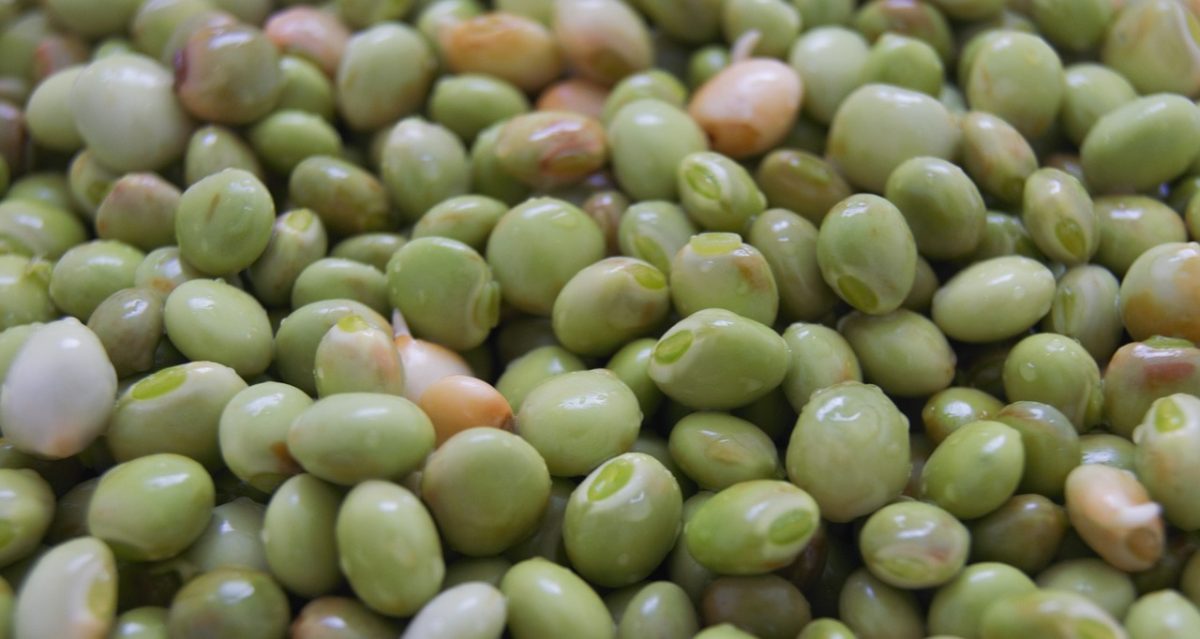
These foods are naturally low in moisture after drying. When they are placed in water for several hours, they slowly absorb moisture, making them softer before cooking begins.
As a result, they cook more evenly and require less time on the fire, helping households save fuel, electricity, or charcoal.
What happens if you skip soaking?
Skipping the soaking stage does not make these foods unsafe to eat, but it can change the final result.
One of the biggest differences is cooking time. Dry beans or maize that have not been soaked often take much longer to soften, increasing fuel costs and delaying meal preparation.
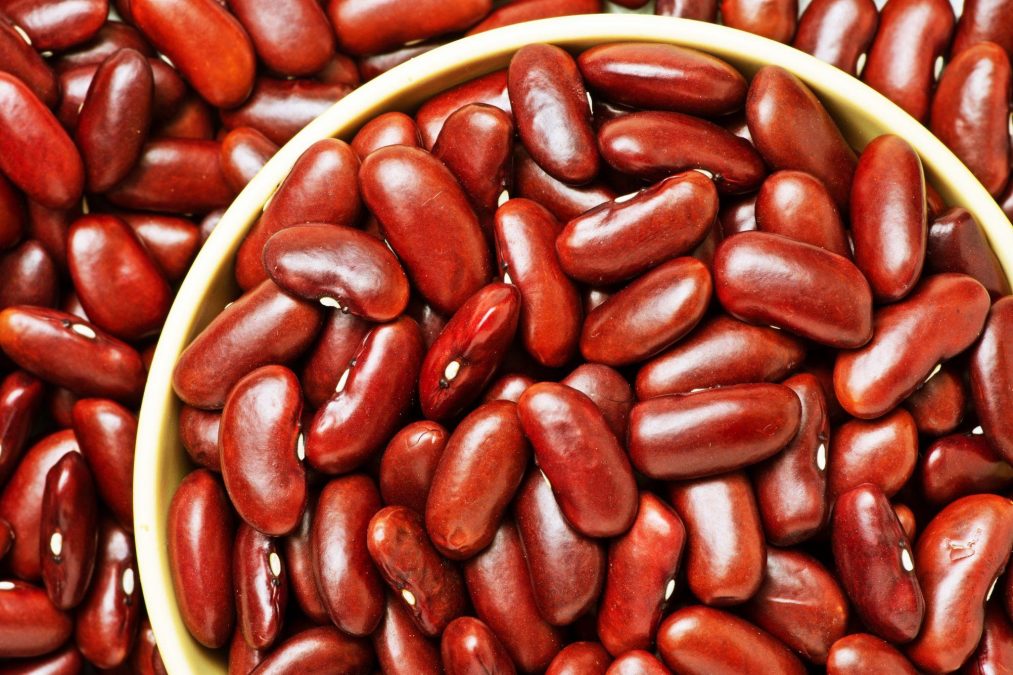
The texture can also be less consistent. Some grains may become soft while others remain firm, affecting the overall eating experience.
According to The Nutrition Source, soaking legumes before cooking can also help reduce some naturally occurring compounds known as phytates, which may interfere with the absorption of minerals such as iron and zinc. Although cooking also reduces these compounds, soaking provides an additional benefit.
Easier on the stomach
Many people associate beans with bloating or stomach discomfort. While soaking does not completely remove this problem, it may help reduce it.
According to the Mayo Clinic, soaking and properly cooking beans helps lower certain complex sugars that can contribute to gas during digestion. Discarding the soaking water before cooking is also commonly recommended.
This means the simple habit of soaking overnight may leave some people feeling more comfortable after eating meals prepared with legumes.
Getting the best results
Most dried legumes only need between eight and 12 hours of soaking. They should be covered with plenty of clean water because they expand as they absorb moisture.
After soaking, the water should be poured away and replaced with fresh water before cooking. This helps remove some of the substances released during soaking and gives the food a cleaner flavour.
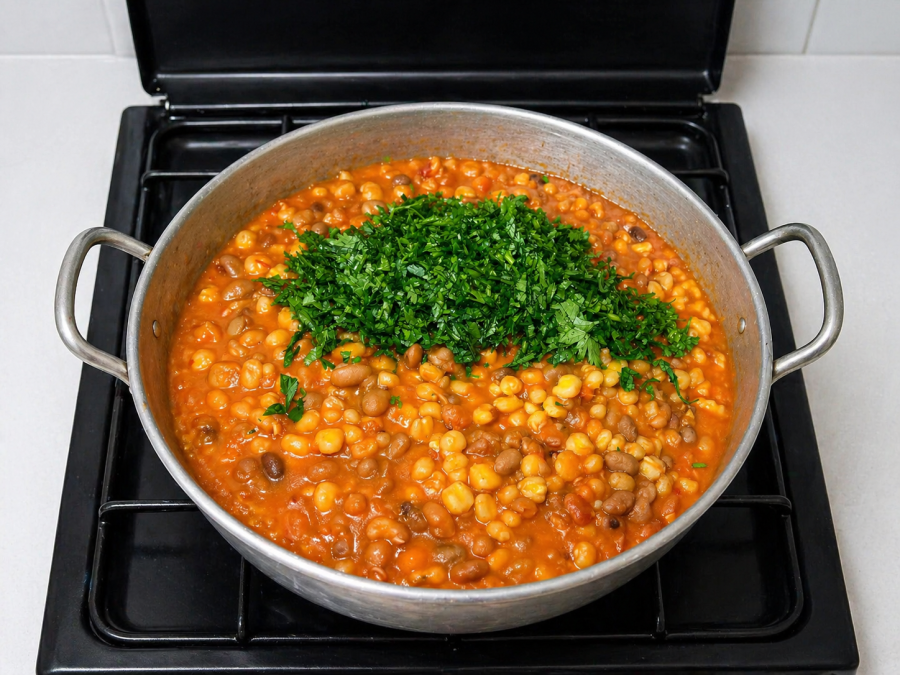
If time is limited, a quick-soak method can also be used by boiling the legumes for a few minutes before leaving them to stand in hot water for about an hour.
A small step that makes a noticeable difference
Soaking may seem like a minor kitchen task, but it can have a noticeable impact on everyday meals. It helps reduce cooking time, improves texture, supports easier digestion, and may even increase the body’s ability to absorb certain nutrients.
For families preparing traditional Kenyan dishes, taking a few extra minutes to soak dried foods the night before can make cooking easier while producing meals that are both satisfying and nutritious.