When to add courgette, garlic, ginger, and dania to your food
By Katemarthason Okudo, June 5, 2026Cooking with fresh vegetables can feel effortless when the order of adding ingredients is well understood. Courgette, onions, tomatoes, dania, garlic, ginger and capsicum are commonly found in many Kenyan kitchens, and when layered correctly, they create a balanced, flavourful meal without needing heavy seasoning.
According to nutrition guidance from the Kenya Ministry of Health, preparing meals with fresh produce helps maintain both taste and nutrient value.
Starting with aromatics
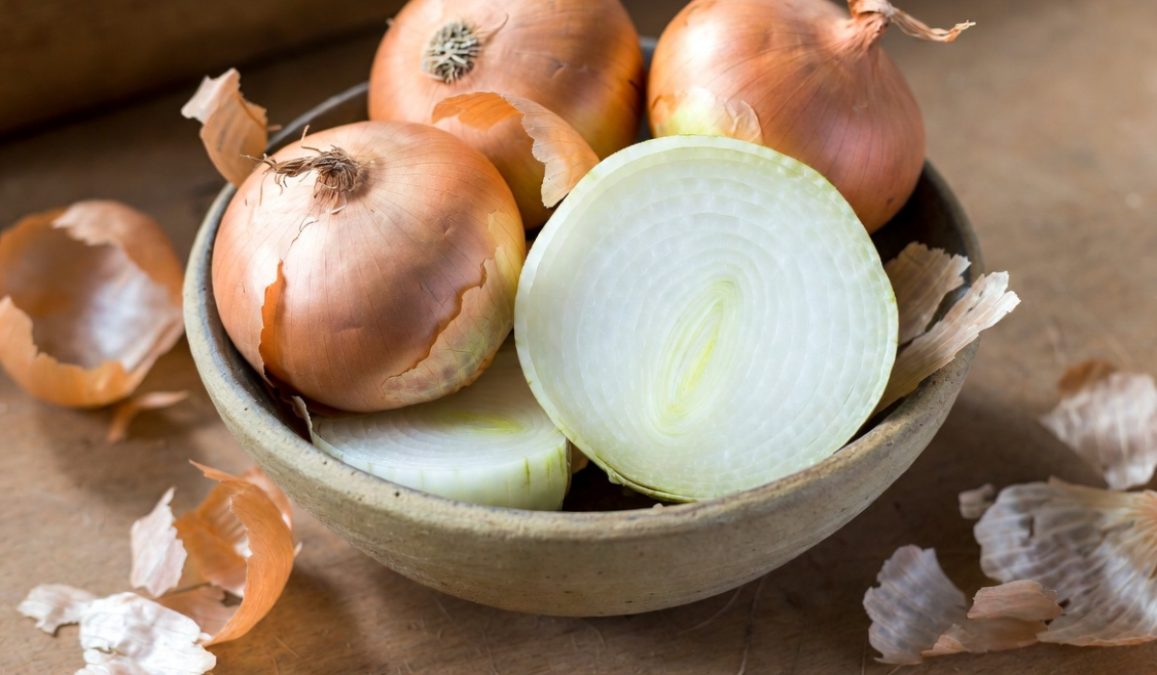
The cooking process begins by heating a small amount of oil in a pan. Once warm, finely chopped onions are added first. Onions need time to soften and turn slightly golden, as this builds the first layer of sweetness in the dish. This step is important because onions form the base of many stews and vegetable meals in Kenyan cooking.
After the onions soften, garlic and ginger are added. These two ingredients should not be added too early, as they burn quickly. Stir them for a short time until their aroma is released. This combination creates a strong flavour foundation that supports all the other vegetables.
Building the body
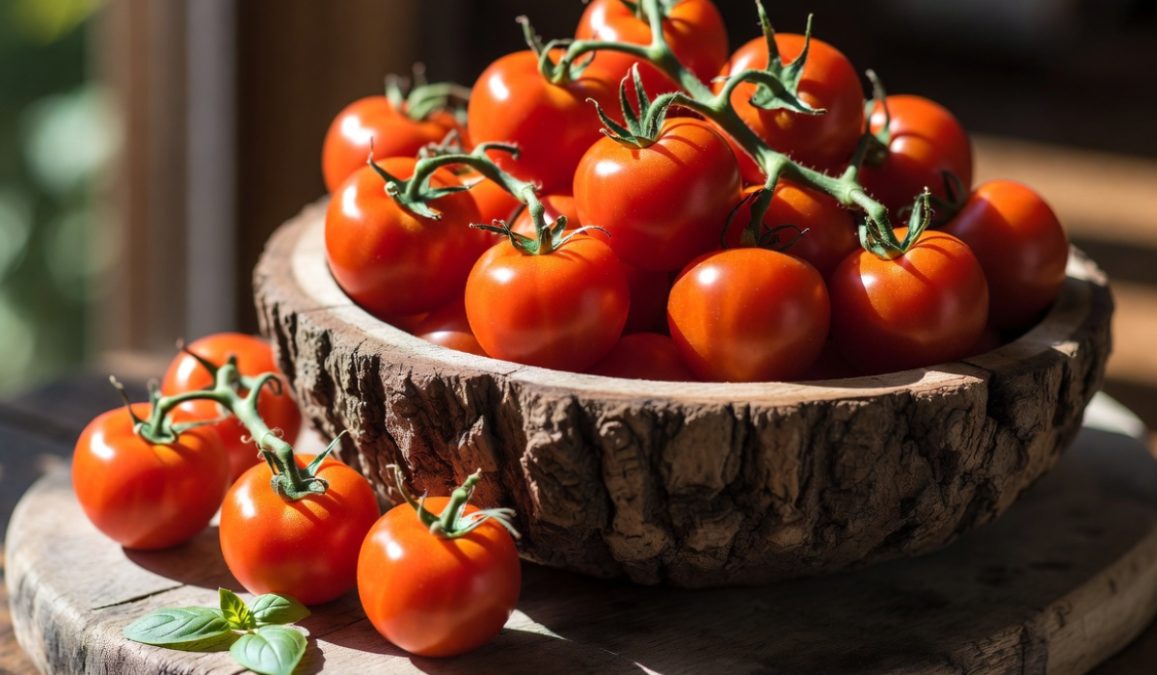
Once the aromatics are ready, chopped capsicum is added. It cooks quickly and brings a mild sweetness that balances the sharpness of garlic and ginger. After a few minutes, chopped tomatoes follow. Tomatoes are important because they form the sauce base, especially when cooked until they break down and become soft.
According to the Kenya Agricultural and Livestock Research Organisation, tomatoes not only enhance flavour but also provide natural acidity that helps balance vegetable dishes.
When the tomatoes have softened into a light sauce, courgette is added. Courgette cooks faster than many vegetables, so it should be stirred gently and left to simmer rather than overcooked. It absorbs the tomato base and seasoning, making it soft but still slightly firm when ready.
At this point, a small amount of water can be added if a stew-like consistency is preferred.
Finishing fresh
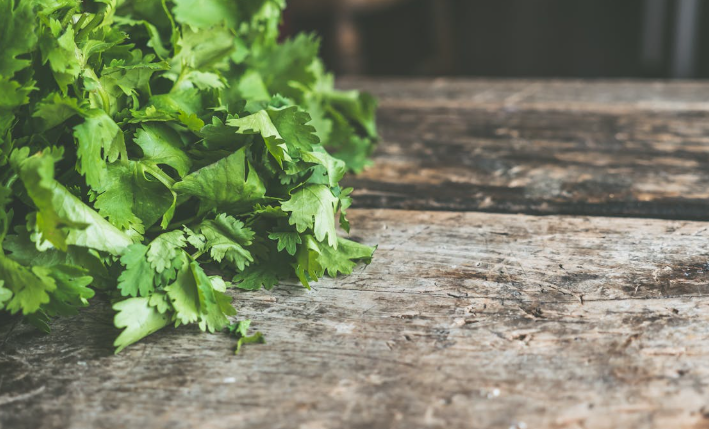
The final step is adding dania (coriander). It should always be added at the end of cooking, just before turning off the heat. This helps preserve its fresh aroma and bright green colour. Stir it lightly into the dish so it spreads evenly without losing its flavour.
Dania adds a refreshing finish that lifts the entire meal, especially when combined with the richness of tomatoes and the sweetness of capsicum.
The Food and Agriculture Organisation noted that fresh herbs like coriander can reduce the need for excessive salt and artificial seasoning, making meals both healthier and more natural.
When these ingredients are added in the correct order, onions first, followed by garlic and ginger, then capsicum, tomatoes, courgette, and finally dania, the result is a well-balanced dish that feels both simple and satisfying. It is a practical approach that fits everyday cooking, proving that good flavour often comes from patience and timing rather than complexity.