Advertisement
What Eid al-Adha teaches us about fasting and feasting
27th May, 2026 05:34 PM
Every year, on the eve of Eid al-Adha, Muslims who are not on Hajj observe the Day of Arafah fast – a voluntary, dawn-to-dusk abstention from food and drink rooted in deep spiritual tradition.
Then, the following morning, comes the feast: communal meals, shared meat, family gathered around food as an act of gratitude and generosity.
To the outside eye, it can look like two contrasting impulses sitting back to back.
But nutritional science is increasingly suggesting that the rhythm of deliberate fasting followed by intentional communal eating may be one of the most quietly powerful things you can do for your long-term health.
What happens inside your body during a 24-hour fast
When you abstain from food for an extended period, your body begins a cascade of metabolic adjustments.
Insulin levels drop, prompting your cells to become significantly more responsive to the hormone which matters enormously for blood sugar regulation and metabolic health.
At the same time, the body activates a cellular housekeeping process called autophagy, where damaged or dysfunctional cell components are broken down and recycled.

Think of it as your body taking out its own biological rubbish.
A 2025 review published in the Journal of Umm Al-Qura University for Medical Science, which synthesised fasting research spanning two decades, found that fasting “activates autophagy, thereby reducing oxidative stress and inflammation – critical contributors to the pathogenesis of aging and chronic diseases.”
The researchers also noted consistent improvements in insulin sensitivity across multiple study populations.
The wisdom in feasting together
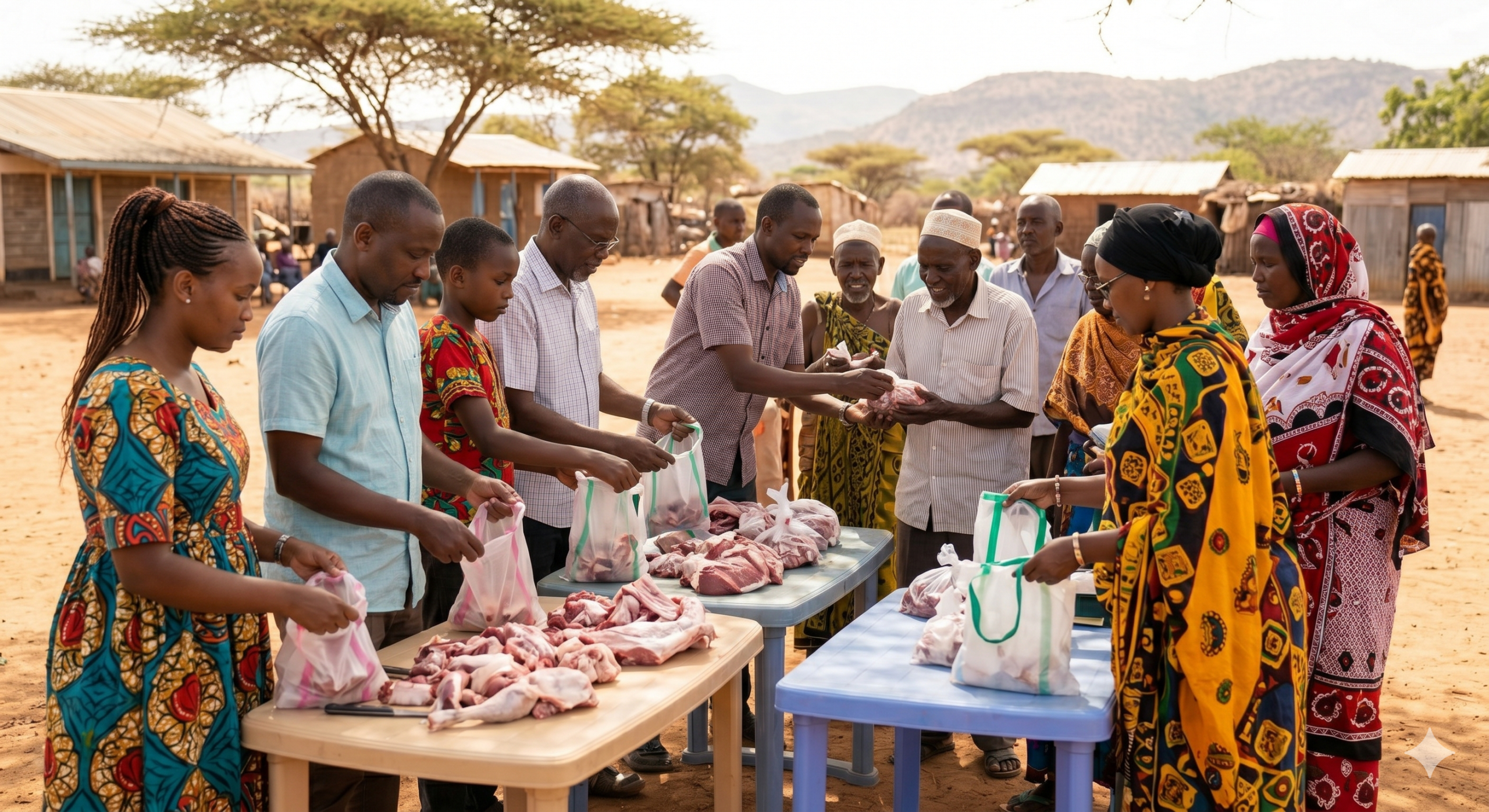
What Islamic tradition pairs with the fast is equally instructive. The Eid al-Adha meal is, by design, communal and generous – a third of the meat goes to the family, a third to neighbours and friends, a third to those in need.
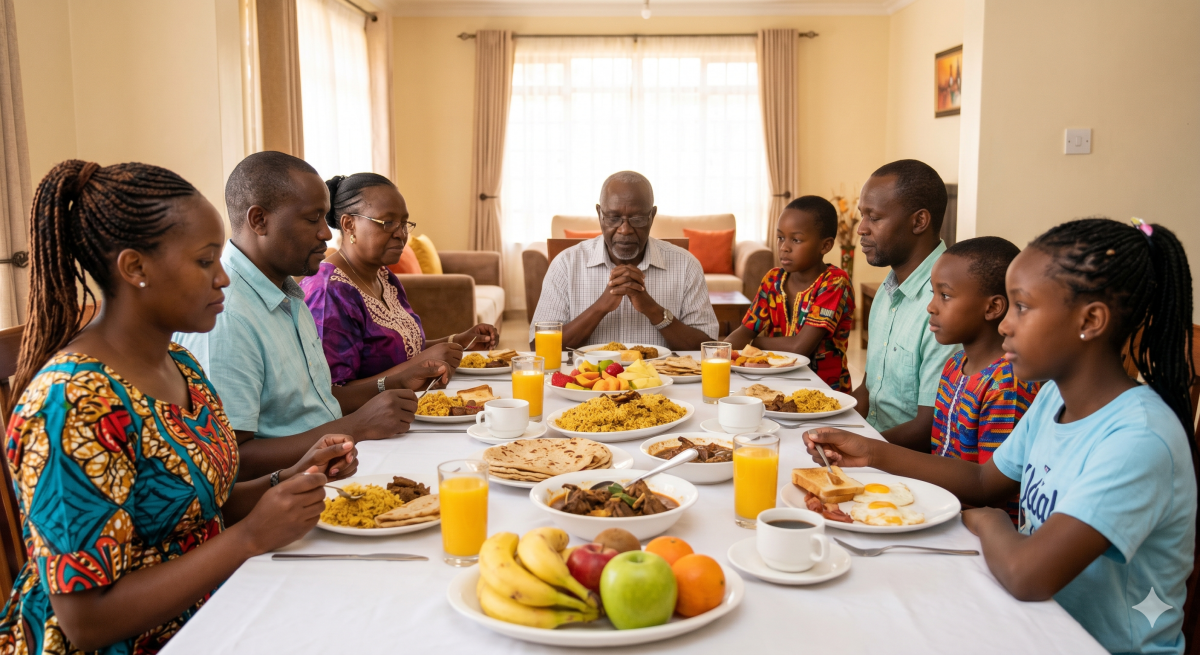
Modern nutrition research has grown increasingly interested not just in what we eat, but in the social and emotional context of eating. Shared meals are consistently associated with better dietary choices, slower eating, and greater satisfaction – all of which matter for how the body processes food after a fast.
The alternation of restraint and celebration that Eid al-Adha embodies reflects something researchers are only beginning to articulate in clinical language: that the body thrives not on constant abundance or constant restriction, but on rhythm.