Advertisement
Types of drinking water and their benefits explained
25th May, 2026 06:22 PM
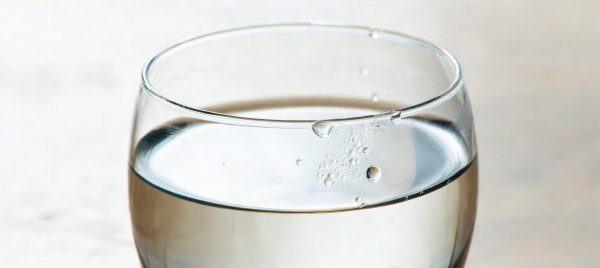
Water is something people use every day, but not everyone realises that there are different types of drinking water with different sources, compositions, and health effects.
In Kenya and many other places, the water you drink may come from taps, underground boreholes, bottled sources, or even natural springs.
Each type has its own benefits, limitations, and level of safety depending on how it is collected and treated.
Understanding the types of drinking water helps you make better choices for your health, especially in areas where water quality can vary from one neighbourhood to another.
Tap water
Tap water is supplied by local water companies and treated before distribution.
In urban areas like Nairobi, it is commonly used for drinking, cooking, and washing.
It usually contains small amounts of chlorine used for disinfection, along with trace minerals depending on the original water source.
The treatment process is designed to remove harmful bacteria and contaminants.
The main benefit of tap water is affordability and accessibility.
However, its quality can vary depending on pipe conditions, storage systems, and maintenance in different estates.
For many households, boiling or filtering tap water is a common practice to improve safety and taste.
Borehole water
Borehole water is one of the most widely used alternatives to tap water in both urban and rural Kenya.
It is extracted from underground aquifers by drilling deep into the earth.
This type of water often contains natural minerals such as calcium, magnesium, and iron, depending on the geological structure of the area.
The biggest advantage of borehole water is reliability, especially during water shortages.
It is also perceived as more “natural” since it is not heavily treated.
However, borehole water can sometimes contain high mineral levels or hidden contaminants such as nitrates or bacteria.
Because of this, testing and filtration are often recommended before regular drinking.
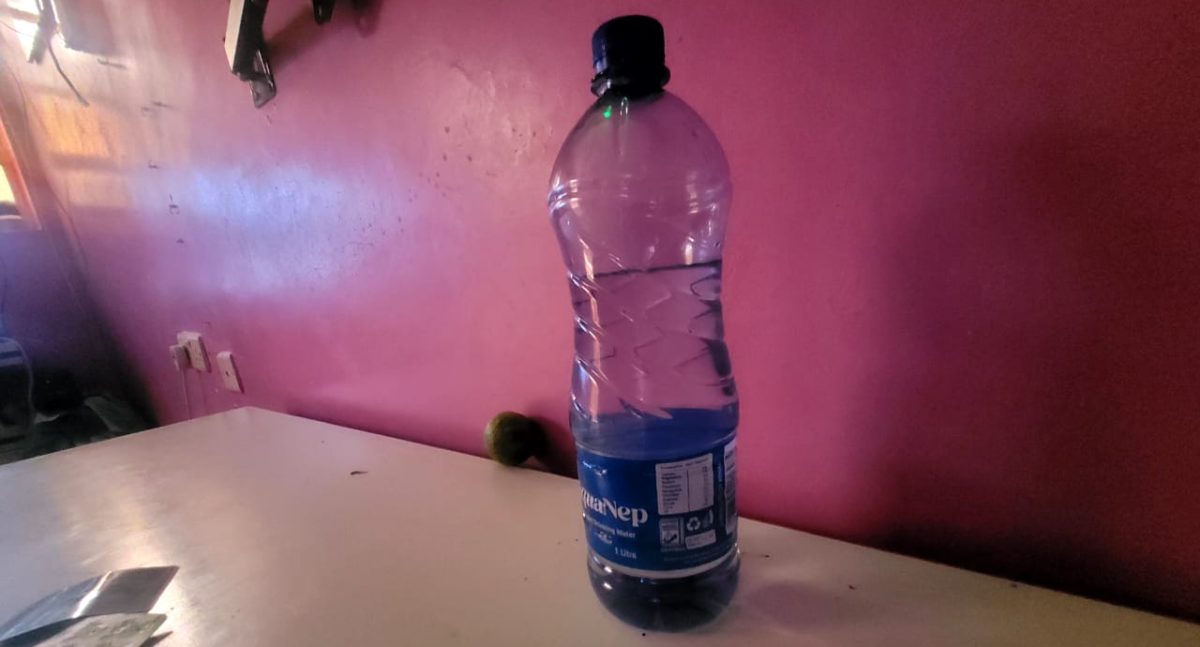
Bottled water
Bottled water is commercially purified and packaged for direct consumption.
It is widely used in Kenya for travel, offices, and homes where water quality is uncertain.
It typically contains purified water with controlled mineral content such as calcium, potassium, and sodium depending on the brand and type.
The key benefit is consistency and safety standards, since it is regulated and processed under controlled conditions.
The downside is cost over time and environmental concerns related to plastic waste.
Sparkling water
Sparkling water, also known as carbonated water, is plain water infused with carbon dioxide gas under pressure. This creates the fizzy bubbles people feel when drinking it.
It contains the same basic water content as still water, with added carbon dioxide and sometimes minerals for taste.
One major benefit is that it can help people reduce sugary soda intake while still enjoying a refreshing drink. It is also often used in social settings as a healthier alternative to soft drinks.
Some people, however, may experience bloating or mild discomfort due to the carbonation.
Filtered water
Filtered water is water that has been passed through a filtration system to remove impurities such as chlorine, dirt, bacteria, and unpleasant odours.
It can be applied to tap water or borehole water depending on the household setup.
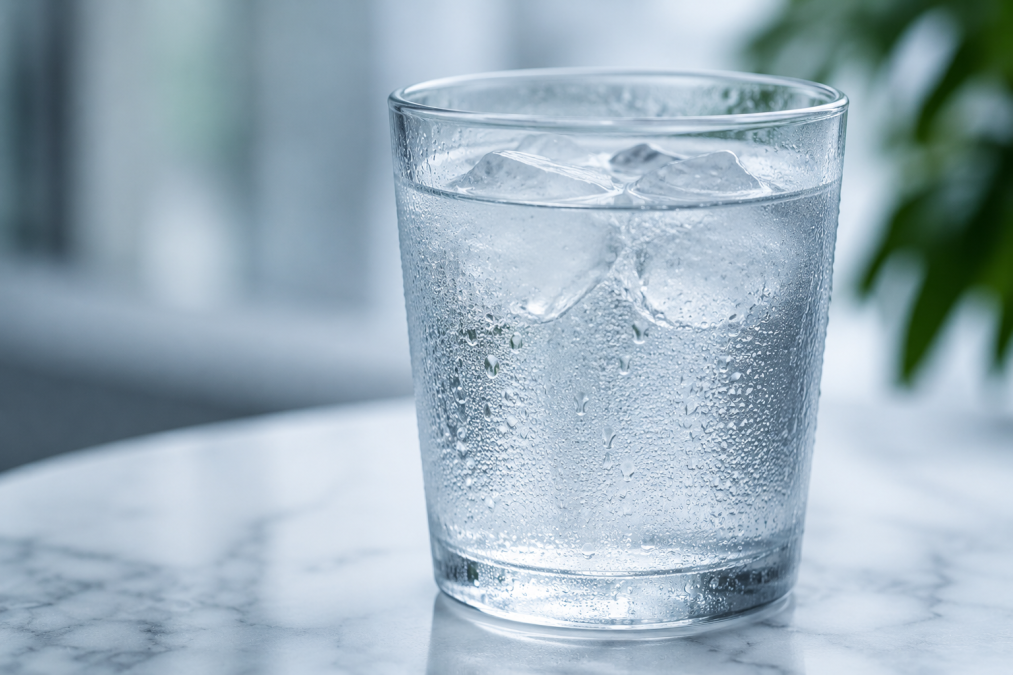
The main benefit is improved safety, better taste, and peace of mind.
It is becoming increasingly popular in urban Kenyan homes where people want more control over what they drink.
Mineral water
Mineral water comes from natural underground springs and contains naturally occurring minerals.
It often includes calcium, magnesium, and bicarbonates which are absorbed from rocks as the water flows underground.
Many people prefer mineral water because of its natural taste and potential health benefits, especially for bone strength and hydration balance.
However, mineral levels vary depending on the source, meaning not all mineral water brands are the same.
Rainwater
Rainwater is collected directly from rainfall, usually through rooftops and storage tanks.
It is naturally soft and free from many dissolved minerals, which makes it different from underground water sources.
While it is often seen as clean, rainwater can pick up dust, pollution particles, and bacteria from roofs and storage tanks.
Because of this, filtration or boiling is necessary before drinking to ensure safety.